
Main Courses
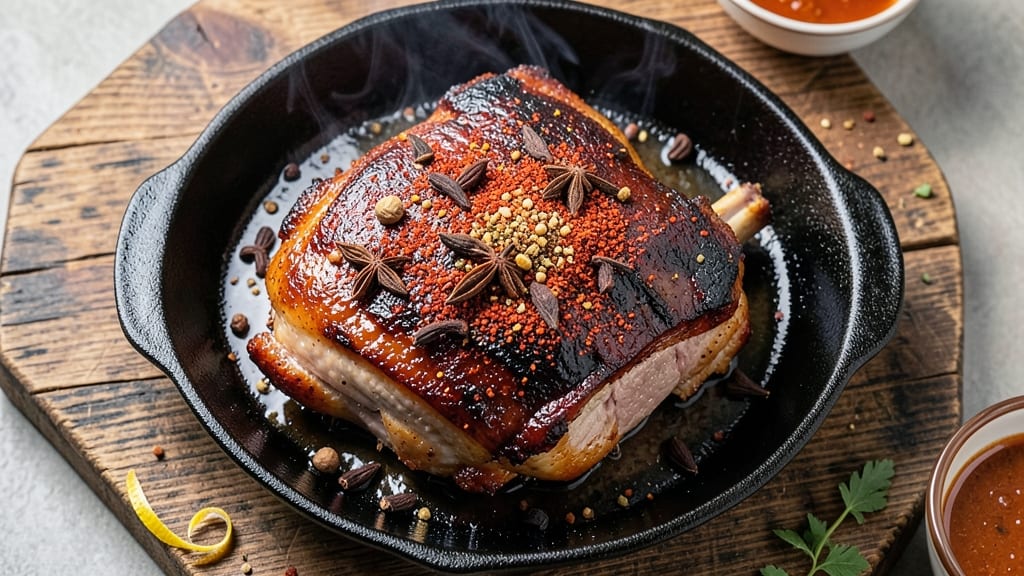
The best smoked pork shoulder recipe for your pellet grill delivers crispy five-spice bark and sticky tamarind glaze that'll have your guests begging for seconds. After years of perfecting this technique, I've cracked the code for foolproof pellet grill results—no temperature swings, no flare-ups, just tender, flavorful perfection.
The secret lies in balancing wood choice, smoke temperature, and a two-stage cook that transforms a tough cut into melt-in-your-mouth magic.
What sets this recipe apart is the five-spice bark—a dry rub of star anise, cinnamon, and cloves that creates a crackling crust while keeping the meat juicy inside. The tamarind glaze, applied during the final hours, adds a tangy sweetness that cuts through the richness.
Your pellet grill's consistent temperature control makes this easier than traditional smokers, but there are still critical steps to maintain that crispy exterior without drying out the meat.
By the time you pull this pork shoulder from the grill, you'll have a shoulder that's tender enough to shred with a fork yet crispy enough to stand up to a knife.
The bark will shatter like glass, releasing layers of spice, while the tamarind glaze clings in sticky, caramelized strands. This isn't just pulled pork—it's a showstopper that transforms any meal into an event.
Whether you're feeding a crowd or prepping for leftovers, this recipe scales beautifully. The pellet grill's precision means you can walk away for hours while it works its magic, giving you time to focus on sides or simply enjoy the aroma. Let's get started on the perfect smoked pork shoulder.
Ingredients for best smoked pork shoulder recipe pellet grill
Six pounds of pork, fifteen spices, and a pellet grill that works its magic.
| Ingredient | Amount | Notes |
|---|---|---|
| Bone-In Pork Shoulder 🐖 | 8 lb | With fat cap intact for flavor |
| Star Anise Pods 🌿 | 4 whole | Crushed lightly for aroma |
| Ground Cinnamon 🌶️ | 2 tbsp | Freshly ground preferred |
| Whole Cloves 🌶️ | 8 whole | Lightly crushed, not powdered |
| Ground Sichuan Peppercorns 🌶️ | 1 tbsp | For subtle heat and aroma |
| Smoked Paprika 🌶️ | 1 tbsp | For deep smoky flavor |
| Kosher Salt 🧂 | 1 tbsp | Diamond Crystal preferred |
| Fresh Ground Black Pepper 🌶️ | 1 tsp | For balanced seasoning |
| Apple Cider Vinegar 🍎 | ½ cup | For tenderizing and tang |
| Tamarind Paste 🍯 | ½ cup | Thick, unsweetened preferred |
| Brown Sugar 🍬 | ½ cup | Packed, light brown preferred |
| Honey 🍯 | ¼ cup | Wildflower preferred |
| Pellet Grill Wood 🌳 | 2 lb | Hickory or cherry preferred |
| Yellow Onion 🧅 | 1 whole | Quartered, for glaze base |
| Garlic Cloves 🧄 | 6 cloves | Minced for glaze |
The pork shoulder is your canvas—bone-in, with fat cap intact—that's non-negotiable. Look for a cut with good marbling at Costco or your local butcher shop; their bulk bins often have the best quality. The star anise and whole cloves should be fragrant when crushed—if they smell stale, skip them. Penzeys or Spicewalla carry premium whole spices that make all the difference. For the Sichuan peppercorns, check the Asian market section—authentic brands like Lee Kum Kee have the best quality. The pellet wood matters too: hickory for bold smoke, cherry for fruity undertones. I always buy mine in bulk from Traeger's official site to avoid moisture issues.
No star anise? Anise seeds work in a pinch, but the flavor won't be identical. Ground cinnamon can be swapped for cassia, but reduce to 1.5 tbsp—it's stronger. Running out of Sichuan peppercorns? A pinch of white pepper adds warmth, though it lacks the numbing kick. For the tamarind paste, Mae Ploy or Thai Kitchen brands are reliable; if you can't find it, 1 tbsp lime juice + 1 tbsp molasses mimics the tang. The brown sugar should be packed—light brown has more moisture for caramelization. And if you're short on honey, maple syrup works, but the flavor shifts slightly. The apple cider vinegar? Any brand will do, but Bragg is my go-to for consistency.
This pork keeps perfectly for 5 days in the fridge, wrapped tightly in butcher paper. For longer storage, freeze for up to 3 months—portion into individual meals for easy reheating. The glaze components (tamarind, brown sugar, honey) can be pre-mixed and stored in the fridge for 2 weeks, though fresh is always better. When reheating, low and slow is key—300°F for 2 hours in the oven with a splash of apple juice keeps it moist. Leftovers? Shred and freeze for tacos, sandwiches, or loaded baked potatoes later in the week. Trust me, you'll want to make extra.
Why You'll Love This Recipe
- Flavor Bomb Combo: That mix of star anise, cinnamon, and Sichuan peppercorns? It’s like someone cracked open a spice vault and handed me the good stuff. Sweet, warm, with just a hint of kick—every bite tastes like a hug from a foodie.
- Budget-Friendly Feast: Bone-in pork shoulder stretches further than you’d think, and those spices? A tiny bag lasts for ages. I’m talking big portions, minimal cost, and zero guilt when I serve it—win, win, win.
Step-by-step instructions for smoked pork shoulder with tamarind magic
Here's the method that delivers restaurant-quality smoked pork shoulder with crispy five-spice bark and sticky tamarind glaze.
Prepare the Spice Rub and Season the Pork
In a small bowl, combine the 2 tablespoons ground cinnamon, 1 tablespoon ground Sichuan peppercorns, 1 tablespoon smoked paprika, 1 tablespoon kosher salt, 1 teaspoon fresh ground black pepper, the 4 whole star anise pods (lightly crushed), and 8 whole cloves (lightly crushed). Mix thoroughly until the spices are evenly distributed and fragrant.
Pat the 8 lb bone-in pork shoulder dry with paper towels, removing any excess moisture from the surface. This step is crucial for developing that perfect crispy bark. Using your hands, press the spice mixture firmly into the meat, coating all sides and working the rub into the crevices. Don't skip this step—proper adhesion ensures maximum flavor penetration and bark development.
Set Up the Pellet Grill and Begin the Smoke
Load the pellet grill with 2 lb hickory or cherry wood pellets and preheat to 225°F. This low-and-slow temperature is key for achieving tender, juicy pork without drying it out. Allow the grill to stabilize and establish a steady smoke before adding the pork shoulder.
Once the grill reaches the target temperature and you see clean, blue smoke (not thick white vapor), place the seasoned pork shoulder fat-side up on the grill grate. The fat cap will render slowly, basting the meat and contributing to that incredible bark. Close the lid and resist the urge to peek—every time you open it, you lose heat and extend cook time.
Smoke Until Probe-Tender and Apply the Tamarind Glaze
Smoke the pork shoulder undisturbed for 8-10 hours, maintaining the 225°F temperature. You'll know it's ready when the internal temperature reaches 195-203°F and a meat probe slides in like butter with no resistance. This typically occurs around the 10-hour mark, but timing can vary based on your grill's consistency.
While the pork smokes, prepare the tamarind glaze by combining the 0.5 cup tamarind paste, 0.5 cup brown sugar, 0.25 cup honey, 0.5 cup apple cider vinegar, 1 whole yellow onion (finely chopped), and 6 cloves garlic (minced) in a saucepan. Bring to a simmer over medium heat and cook for 10-12 minutes until thickened to a glaze consistency. Strain through a fine-mesh sieve to remove any onion or garlic bits if you prefer a smoother texture.
Apply Glaze and Finish with Crispy Bark
When the pork reaches the proper internal temperature, remove it from the grill and increase the temperature to 250°F. Brush the pork shoulder generously with the tamarind glaze, working it into all the crevices and cracks. Return it to the grill and smoke for an additional 30-45 minutes, basting with more glaze every 15 minutes until the bark is deep mahogany and crispy.
Watch closely during this final stage—you want that bark to develop a beautiful crackling texture while keeping the meat moist. The high heat will crisp the exterior while the glaze penetrates, creating the perfect balance of textures and flavors. The pork should be fork-tender with a dark, glossy bark that's irresistibly crispy.
Rest and Slice for Maximum Juiciness
Once the pork reaches the desired bark texture, remove it from the grill and transfer to a cutting board. Tent loosely with foil and let it rest for at least 1 hour (I prefer 2 hours for maximum juiciness). This resting period allows the juices to redistribute throughout the meat, ensuring every slice is moist and flavorful.
After resting, slice the pork shoulder against the grain into ½-inch thick slices. The meat should pull apart easily with gentle pressure, revealing a beautiful pink smoke ring just beneath the crispy bark. Serve immediately with the remaining tamarind glaze spooned over the top and your favorite sides. Each bite should deliver perfect harmony of crispy, smoky, sweet, and tangy flavors that make this pork shoulder truly exceptional.
Pro Tips For Making Best Smoked Pork Shoulder Recipe Pellet Grill
- USE A WOOD CHIP BLEND: The pellet grill’s flavor is only as good as what you feed it—mix half cherry with half apple for a sweet, balanced smoke that pairs perfectly with star anise and cinnamon. I learned this the hard way after burning through a whole bag of hickory and ending up with a bitter, overpowering result.
- CRUSH WHOLE SPICES: Whole cloves and Sichuan peppercorns need to be lightly crushed (not powdered) so their oils infuse without turning the rub into a paste. A rolling pin works—just don’t go overboard, or you’ll end up with a muddy mess that sticks to the meat.
- WRAP AT 165°F: Pull the pork off the grill when it hits 165°F internal temp, then wrap it in butcher paper or foil with a splash of apple cider vinegar. This isn’t just about resting—it’s the only way to guarantee tender, pull-apart texture without drying it out.
- SKIP THE PEEL TEST: That dry, crackling skin isn’t a sign of doneness—it’s a trap. Probe the thickest part of the meat (near the bone) for accuracy; the skin will crisp up beautifully in the last hour of smoke if you let it ride uncovered. Trust the thermometer, not the crust.
Wine and beer pairings for best smoked pork shoulder recipe pellet grill
Red Wine Pairings
For this complex pork shoulder, I reach for Portuguese reds that stand up to the five-spice bark and tamarind glaze. A Douro red blend with its rich dark fruit and subtle spice notes mirrors the dish's complexity perfectly.
The high tannins cut through the fat while the smoky undertones complement the hickory or cherry wood. Try Quinta do Crasto or Graham's Six Grapes—both deliver the depth this pork deserves. 🍷
Beer Complements
A Belgian-style witbier like Hoegaarden brings refreshing citrus and peppery notes that cleanse your palate between rich bites. The slight tartness balances the tamarind's sweetness while the coriander echoes the Sichuan peppercorns in the rub.
For something heartier, a German Dunkel with its malty sweetness and roasted character pairs beautifully with the caramelized bark. I always keep a St. Bernardus Wit on hand for these occasions. 🍺
Cider Harmony
Don't overlook dry hard cider—it's the perfect bridge between wine and beer pairings. A French cider like Domaine Dupont with its crisp acidity and subtle apple notes mirrors the apple cider vinegar in the glaze.
The effervescence cuts through the richness while the apple flavors complement the pork's natural sweetness. For something more robust, try a British dry cider with its toasty oak notes. 🍏
Non-Alcoholic Options
For guests who prefer non-alcoholic choices, I recommend sparkling hibiscus tea—it's tart, floral, and slightly sweet, with a depth that matches the tamarind. Chill it well and serve in elegant glasses to elevate the experience.
Alternatively, a ginger-lime spritzer with San Pellegrino and a splash of Lemon-Lime soda provides refreshing contrast to the rich pork. 💧
Regional Spirit Pairing
If you're cooking for a crowd that enjoys spirits, consider Japanese shōchū like Kurayoshi—its clean, slightly sweet profile with a hint of citrus complements the tamarind beautifully. Serve it chilled in small glasses with a slice of orange.
For something stronger, mezcal with its smoky character enhances the wood-fired flavors of the pork. Just remember, spirits should be served in moderation. 🥃
Nutrition facts
Frequently asked questions
Why does my pellet grill struggle to maintain 225°F for this recipe?
Pellet grills can lose heat when opened frequently or when cooking large cuts like pork shoulder. To maintain 225°F, preheat the grill for 30 minutes before adding the meat, and avoid opening it during the first 6 hours of cooking. If temperatures fluctuate, try adding an extra 1 lb of pellets to the hopper—this gives the auger more fuel to stabilize heat.
Can I use a different wood pellet besides hickory or cherry?
For a milder flavor, try apple or peach pellets—they add subtle sweetness that pairs beautifully with the tamarind glaze. Avoid mesquite or hickory if you prefer a lighter smoke profile. Just remember: fruitwoods burn faster, so you may need to refill the hopper more often.
How do I know when the pork shoulder is done without a meat thermometer?
If you don't have a thermometer, use the toothpick test: insert a clean skewer into the thickest part of the meat—if it slides in easily and the juices run clear (not pink), it's likely done. For pork shoulder, this usually happens around 10-12 hours at 225°F. The bark should also be deep mahogany and slightly crispy.
What’s the best way to reheat leftover smoked pork shoulder?
Slice the pork into ½-inch pieces and reheat in a 325°F oven for 20-30 minutes with a splash of apple cider vinegar or broth to keep it moist. For sandwiches, warm the meat directly on the grill over medium heat for 2-3 minutes per side—this crisp the bark beautifully.
Can I make this recipe with a boneless pork shoulder?
Technically yes, but the bone helps retain moisture and adds flavor. If using boneless, trim excess fat and consider wrapping the pork in butcher paper after 4 hours to speed up cooking. Expect a slightly shorter cook time (8-9 hours) and monitor closely to avoid drying.