
Main Courses
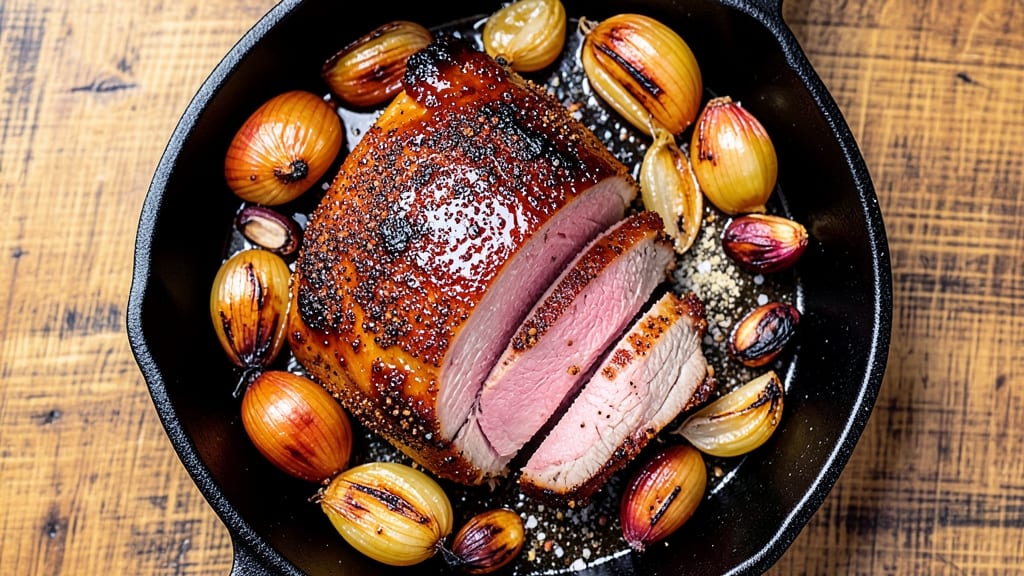
This best smoked pork shoulder recipe ever delivers the kind of melt-in-your-mouth perfection that makes every bite worth the wait.
After years of perfecting my technique—from my first burnt attempt in a borrowed smoker to now—this method guarantees a juicy, pull-apart masterpiece with a crispy, caramelized crust that disappears faster than you can say "seconds, please."
The secret lies in low-and-slow patience, precise temperature control, and a simple rub that transforms tough meat into tender, smoky magic.
What sets this recipe apart is its foolproof approach that works whether you're using a pellet smoker, charcoal grill, or even your oven with a smoker box.
I'll walk you through every step—from choosing the right cut to monitoring internal temps like a pro—so you can achieve restaurant-quality results at home. The key ingredients? Just a few pantry staples: brown sugar, smoked paprika, garlic powder, and a touch of cayenne for heat.
The rest is time, smoke, and trust in the process.
By the time you're done, you'll have a shoulder that falls apart with just a fork, bathed in its own rich, smoky juices. The bark will be deep amber, almost black in spots, while the meat inside stays tender enough to melt.
This isn't just pork—it's the kind of centerpiece that turns family dinners into legendary gatherings. Whether you're feeding a crowd or just craving a hearty meal, this recipe delivers every time.
The best part? Leftovers reheat beautifully, making this the ultimate meal prep solution for busy weeks. Serve it sliced thin for sandwiches, chopped for tacos, or as-is with pickles and coleslaw.
Let's get started on creating your best smoked pork shoulder ever—one that'll have everyone asking for seconds before the plate even hits the table.
Ingredients for best smoked pork shoulder recipe ever
Just 14 ingredients transform tough pork into melt-in-your-mouth perfection—smoky, juicy, and begging for seconds.
| Ingredient | Amount | Notes |
|---|---|---|
| Pork Shoulder (Bone-In) 🐖 | 6 lb | 2-3 inches thick, well-marbled |
| Yellow Onion 🧅 | 1 whole | Cut into quarters, skin on |
| Garlic Cloves 🧄 | 8 cloves | Peeled, smashed slightly |
| Brown Sugar 🍚 | ¼ cup | Packed, light brown preferred |
| Smoked Paprika 🌶️ | 2 tbsp | High-quality, not sweet |
| Garlic Powder 🧄 | 1 tbsp | Freshly ground preferred |
| Ground Black Pepper 🌶️ | 1 tbsp | Freshly cracked black pepper |
| Cayenne Pepper 🔥 | ½ tsp | Adjust for heat preference |
| Kosher Salt 🧂 | 1 tbsp | Diamond Crystal preferred |
| Apple Cider Vinegar 🍎 | 2 tbsp | For tenderizing rub |
| Wood Chips (Hickory or Oak) 🌳 | 2 cups | Soaked 30+ minutes |
| Apple Juice 🍎 | 1 cup | For spritzing during cook |
| Yellow Mustard 🍯 | 2 tbsp | For spritzing during cook |
| Water 💧 | 1 cup | For spritzing mix |
The pork shoulder is non-negotiable here—bone-in, well-marbled cuts from Costco or local butchers give you that perfect fat-to-meat ratio. Look for a roast that's at least 6 lbs, 2-3 inches thick. Trader Joe's and Whole Foods often carry excellent cuts, but don't skip the butcher counter if you want to pick your own. The marbling should be visible—those little white fat streaks are what make it juicy. If your cut is too thin, ask for a thicker slice. And trust me, skip the pre-cut vacuum-sealed packages—they're often trimmed too aggressively. For the wood chips, Traeger or Cookshack sell pre-soaked ones, but I always soak my own for 30+ minutes to prevent flare-ups.
No smoked paprika? Substitute with a mix of regular paprika and a pinch of liquid smoke—about 1/4 tsp per tablespoon. Running short on apple cider vinegar? White vinegar or lemon juice works in a pinch, but apple cider's sweetness balances the heat. The mustard in the spritz might seem odd, but it's a game-changer—Dijon works too. For the wood chips, cherry or pecan add sweetness if you're avoiding the traditional smoky flavor. And if you're cooking in a smoker box, double the wood chips since they'll burn faster. The rub ingredients? Measure carefully—too much cayenne can overpower the sweetness, while too little brown sugar means a less caramelized crust.
This isn't a recipe you want to rush—leftovers are your new best friend. The pork reheats beautifully, and honestly, it tastes even better the next day once everything melds. Wrap tightly in foil and refrigerate for up to 5 days, or freeze portions for 3 months. I always make double batches because it disappears so fast. For serving, slice against the grain for perfect texture. The bark? Save a few pieces to crumble over tacos or sandwiches—trust me, it's magic. And if you've got extra rub, store it in an airtight container for up to 6 months—it's perfect for brisket or chicken next time.
Why You'll Love This Recipe
- No-Fuss Prep: I swear, this takes less effort than ordering takeout. Just rub the pork with brown sugar, paprika, and a few minced garlic cloves—no fancy marinades or hours of prep. The bone-in cut does all the work while you sip coffee.
- Sweet-Smoky Magic: That caramelized crust from the brown sugar? Absolute perfection. The smoked paprika gives it a deep, earthy warmth, while the onions and garlic add layers of savory sweetness. It’s the kind of flavor that makes people ask, "What’s in this?"
- Weeknight Workhorse: Pull it out for game days, lazy Sundays, or even a quick dinner when you’re too tired to think. Shred it for tacos, sandwiches, or just eat it straight—it’s always a crowd-pleaser. My kids beg for leftovers, and honestly? So do I.
- Budget Stretch: A single pork shoulder feeds my family for days. The leftovers? Even better the next day, whether I’m reheating slices for breakfast burritos or tossing them into a pot of beans. It’s the kind of meal that saves money and time. Win-win.
Step-by-step instructions for smoked pork shoulder with perfect crust and juicy magic
Here's the foolproof method that delivers melt-in-your-mouth tenderness with a crackling bark every time.
Prepare the Dry Rub and Tenderize the Pork
In a medium bowl, combine the 0.25 cup packed brown sugar, 2 tablespoons smoked paprika, 1 tablespoon garlic powder, 1 tablespoon ground black pepper, 0.5 teaspoon cayenne pepper, and 1 tablespoon kosher salt. Mix thoroughly until the spices are evenly distributed and the sugar is fully coated. This blend creates the perfect balance of sweet, smoky, and spicy flavors that'll make your pork shoulder irresistible.
Pat the 6 lb pork shoulder completely dry with paper towels—this is absolutely critical for that perfect crust. I like to use a clean kitchen towel first to soak up any excess moisture, then paper towels for the final dry. Once dry, rub the spice mixture all over the pork, pressing firmly so it adheres well. For extra tenderness, mix the 2 tablespoons apple cider vinegar with 2 tablespoons yellow mustard in a small bowl, then brush this mixture over the pork. The acidity helps break down the muscle fibers, while the mustard adds depth of flavor. Let the pork sit at room temperature for 1 hour before smoking—this ensures even cooking from start to finish.
Set Up Your Smoker for Low and Slow Perfection
Soak the 2 cups wood chips (hickory or oak) in water for at least 30 minutes—this prevents them from burning and creates that beautiful, steady smoke. When ready, fill your smoker's wood chip tray with the soaked chips and preheat to 225°F. I've found this temperature gives you that perfect balance of slow cooking and smoke penetration without drying out the meat. Once the smoker reaches temperature and you see clean, blue smoke (not thick white steam), you're ready to load the pork.
Place the pork shoulder fat-side up on the smoker grate. The fat will render slowly and baste the meat, creating that incredible bark. Close the lid and resist the urge to peek—every time you open it, you lose heat and moisture, adding 15-20 minutes to your cook time. The key here is patience; this low-and-slow approach is what transforms tough pork into fork-tender perfection. You'll know it's working when you see that beautiful smoke ring forming just beneath the crust.
Spritz and Monitor for Juicy Results
After 4-5 hours of smoking, it's time for the first spritz. In a small bowl, mix the 1 cup apple juice and 1 cup water. Using a spray bottle, lightly mist the pork with this mixture every 90 minutes during the cook. This keeps the surface moist, preventing a tough bark while ensuring the meat stays juicy inside. I like to spritz until the liquid just barely coats the surface—no need to soak it.
Continue smoking until the internal temperature reaches 195-203°F (use a meat probe in the thickest part of the shoulder, avoiding the bone). This can take 8-12 hours total, depending on your smoker's consistency. The pork is done when it's probe-tender with just a slight resistance—think of it like butter melting on warm toast. The bark should be deep mahogany with a crackling crust that gives way to juicy, pink meat underneath. If the bark starts to look too dry, give it another spritz and cover with a piece of aluminum foil (shiny side down) for the final hour.
Rest and Slice for Maximum Juiciness
Once the pork reaches the target temperature, remove it from the smoker and transfer it to a cutting board. Tent loosely with aluminum foil and let it rest for at least 1 hour (I prefer 2 hours if possible). This resting period is where the real magic happens—the juices redistribute throughout the meat, ensuring every bite is moist and flavorful. If you skip this step, you'll end up with dry, disappointing slices. Trust me, it's worth the wait.
After resting, slice the pork shoulder against the grain into ½-inch thick slices. The grain runs horizontally across the meat, so cutting perpendicular to these lines gives you the most tender texture. Serve immediately with your favorite sides—crusty bread, coleslaw, or roasted vegetables all pair beautifully. The first bite should be a revelation: crispy bark giving way to juicy, smoky meat that practically melts in your mouth. This is the kind of pork shoulder that makes people ask for seconds before they even finish their first plate.
Pro Tips For Making Best Smoked Pork Shoulder Recipe Ever
- Sear the Fat First: I learned this the hard way—skipping the sear means you’re missing out on that deep, caramelized flavor that sticks to your ribs. Hit that pork shoulder with a hot pan or grill for 3-4 minutes per side before smoking; the crust locks in moisture and adds a smoky depth that dry rubs alone can’t match.
- Trim the Fat, Not the Flavor: Yes, you want that fat cap for juiciness, but don’t let it turn into a grease fire. Trim some of the excess fat from the edges—just enough so it doesn’t pool and steam the meat instead of rendering. Leave the thick layer on top; that’s your insurance for a moist, fall-apart shoulder.
- Stall? Wrap It Tight: Around 160°F, your pork shoulder will hit the "stall," and if you’re not ready, it’ll sit there for hours. When that happens, wrap it in butcher paper (not foil—it traps too much steam) and let it ride. I’ve seen stalled shoulders recover in 30 minutes this way, saving a day’s worth of wait time.
- Brown Sugar Early: Don’t dump that brown sugar on at the end—it’ll burn before the pork’s done. Mix it into your dry rub and add a tablespoon of it to the water pan (yes, even if you’re not using one) for the first two hours. The slow caramelization builds sweetness without turning your rub into ash. Trust me, your pull-apart texture will thank you.
Storing and reheating this recipe
Refrigerator Storage
Let your smoked pork shoulder cool completely before storing—about 2 hours at room temperature max. Then, transfer it to an airtight container (I love Glasslock containers for this) and refrigerate for up to 5 days. The flavors actually deepen overnight as the spices meld with the juices. Just
Freezer Magic
For longer storage, freeze your pork shoulder in quart-sized freezer bags (like Ziploc) with all the juices. Squeeze out excess air to prevent freezer burn, and it'll keep for 3 months without losing quality. When ready to eat, thaw overnight in the fridge—never at room temperature. Pro tip: Portion into individual servings before freezing for easy reheating. ❄️
Stovetop Reheating
My favorite method is stovetop because it preserves that perfect texture. Place slices in a skillet over medium-low heat with 2 tablespoons apple juice or broth per pound.
Cover and heat for 5-7 minutes, stirring occasionally, until reaching 165°F internal temperature. The liquid keeps the meat moist while warming through evenly. 🔥
Oven Perfection
For larger portions, preheat your oven to 300°F and place the pork in a baking dish with ¼ cup apple juice or broth. Cover tightly with foil and bake for 30-45 minutes, checking temperature with a meat thermometer.
The foil traps moisture while the oven gently reheats without drying it out.
Microwave Shortcut
When you're in a rush, use the microwave—but do it right. Place pork slices on a microwave-safe plate with 1 tablespoon broth per slice, cover with a damp paper towel, and heat on 50% power for 2-3 minutes.
Stir halfway through to distribute heat evenly. This keeps the texture surprisingly tender. 💡
Leftovers Reinvented
Don't let leftovers feel boring! Shred the pork and mix with 2 tablespoons BBQ sauce for pulled pork sandwiches. Or chop it into taco meat with ½ cup salsa and ¼ cup cilantro.
The smoky flavor works amazingly in pasta too—just toss with olive oil, garlic, and Parmesan. Every bite tastes like your first! 🌟
Nutrition facts
Frequently asked questions
What's the secret to getting that perfect crispy bark on smoked pork shoulder?
Start with a completely dry pork shoulder—pat it down with paper towels until it's bone dry. The rub should stick like glue, and using brown sugar in your dry rub creates caramelization for that deep mahogany crust. Spritz every 90 minutes with apple juice (not water) to keep the surface moist without steaming the meat. The fat cap should render slowly, basting the meat as it cooks.
Can I smoke pork shoulder in an oven with just a smoker box?
Preheat your oven to 225°F with a smoker box filled with soaked wood chips (hickory or oak). Place the pork on a wire rack over a baking sheet to allow airflow. Cook for 6-8 hours until it reaches 195°F internally, spritzing with apple juice every 90 minutes. The bark won't be as crispy as with a dedicated smoker, but the meat will still be incredibly tender.
How do I know when the pork shoulder is done without overcooking?
Use a meat thermometer inserted into the thickest part (avoiding bone) to check for 195-203°F. The probe should slide in like butter—when it meets just slight resistance, that's your cue. The bark should be deep mahogany with crackling edges. If it's not quite there, wrap it in foil and let it rest while you check again in 30 minutes. Never rely on time alone—every smoker behaves differently!
What's the best way to reheat smoked pork shoulder without drying it out?
Stovetop is your best friend! Place slices in a skillet over medium-low heat with 2 tbsp apple juice or broth per pound. Cover and heat for 5-7 minutes until 165°F internally. For larger portions, use the oven at 300°F with foil-covered apple juice. Microwave works in a pinch—just use 50% power with damp paper towels covering the meat.
Why does my smoked pork shoulder sometimes turn out dry?
Most common causes: not enough fat (look for well-marbled cuts), skipping the spritzing, or not resting properly. The fat renders during cooking and bastes the meat—if your cut is too lean, add a small piece of bacon or fatback to the smoker. Always rest the meat for 1-2 hours before slicing (juices need time to redistribute!). And never skip the 225°F low-and-slow temperature—higher temps dry out the meat faster.