
Main Courses
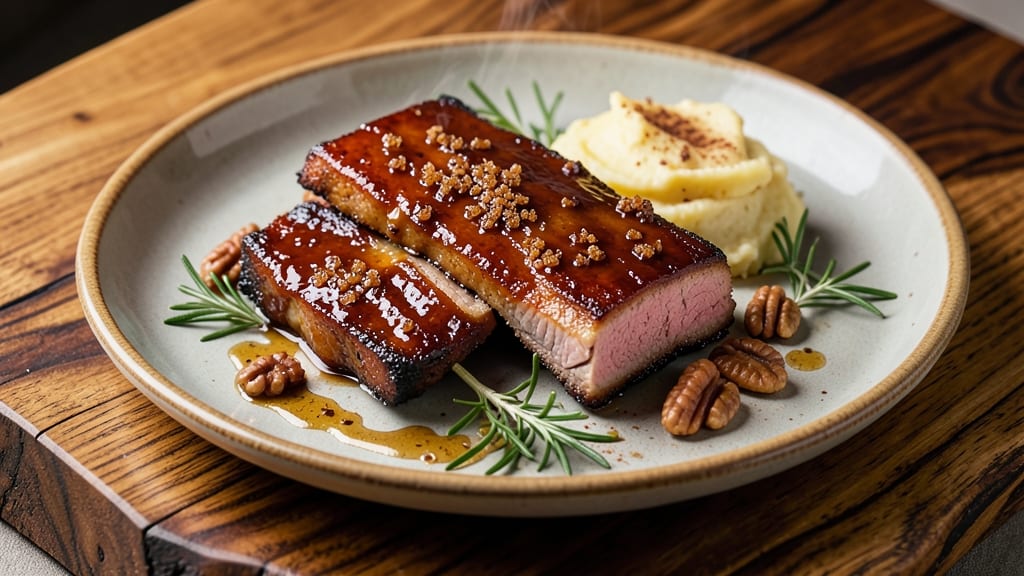
This best ever pork spare ribs recipe delivers restaurant-quality results with a perfect balance of smoky, sweet, and spicy flavors that'll have you reaching for seconds. 🔥 The secret lies in a five-spice crust that creates an irresistible bark while keeping the meat tender, paired with a molten tamarind drizzle that adds depth and a touch of tangy brightness.
What sets this recipe apart is the two-stage cooking process—first, a dry rub that develops a flavorful crust, followed by a slow braise that renders fat and tenderizes the meat. No fancy equipment needed, just patience and attention to internal temperatures.
The ribs emerge with a deep mahogany bark, juicy fall-off-the-bone texture, and a sauce that clings perfectly to every bite.
This method transforms tough cuts into melt-in-your-mouth perfection, making it ideal for weekend projects or special occasions. The five-spice blend adds warmth and complexity, while the tamarind glaze brings a sophisticated balance that elevates these ribs beyond your typical backyard cookout.
Serve with classic sides like coleslaw or cornbread to soak up every last drop of that glaze. Ready in about 4 hours (mostly hands-off time), these ribs are worth the wait—every bite delivers a symphony of flavors that'll impress even the most discerning guests.
Ingredients for best ever pork spare ribs
Six pounds of pork ribs and bold flavors transform into melt-in-your-mouth perfection with this five-spice crust and tamarind drizzle.
| Ingredient | Amount | Notes |
|---|---|---|
| Pork Spare Ribs 🐖 | 4 lb | Bone-in, meaty ends included |
| Five-Spice Powder 🌶️ | 2 tbsp | Homemade blend or store-bought |
| Brown Sugar 🍯 | ½ cup | Light or dark preferred |
| Smoked Paprika 🌶️ | 1 ½ tbsp | For deep smoky flavor |
| Kosher Salt 🧂 | 1 ½ tbsp | Diamond Crystal preferred |
| Black Pepper 🌶️ | 1 tbsp | Freshly ground for best flavor |
| Garlic Powder 🧄 | 1 tbsp | Not garlic salt |
| Onion Powder 🧅 | 1 tbsp | For aromatic depth |
| Tamarind Paste 🍈 | ½ cup | High-quality for authentic tang |
| Honey 🍯 | ¼ cup | Wildflower or clover preferred |
| Apple Cider Vinegar 🍎 | ¼ cup | For bright acidity |
| Soy Sauce 🥢 | ¼ cup | Low-sodium preferred |
| Butter 🧈 | ½ cup | Unsalted, melted |
| Fresh Ginger 🌿 | 1 tbsp | Grated, aromatic |
| Sesame Oil 🫒 | 1 tbsp | Toasted for nutty aroma |
The ribs are the star, so look for meaty spare ribs with plenty of fat—this is what keeps them tender. Costco or local butchers often carry the best cuts, but grocery stores like Kroger or Whole Foods usually stock quality options too. If you can't find spare ribs, baby back ribs work in a pinch, though they'll have less connective tissue. The five-spice powder is non-negotiable—homemade blends (star anise, cinnamon, cloves, fennel, and Szechuan peppercorns) give the best results, but Penzeys or Trader Joe's carry excellent pre-mixed versions. Tamarind paste? Aroy-D is the gold standard, but Thai Kitchen makes a solid budget option.
No tamarind paste? Lime juice plus a pinch of sugar mimics the tang, though it won’t be identical. Short on honey? Maple syrup works one-to-one. The soy sauce adds umami depth—Kikkoman is reliable, but Japanese brands like Yamasa take it to the next level. Sesame oil is optional but worth it for that nutty aroma (just toast it in a dry pan for 30 seconds before using). For the dry rub, toast the spices in a dry skillet for 1 minute to deepen their flavors—game-changer! The brown sugar should be packed, not scooped—light brown sugar adds molasses notes, while dark brown gives more caramel depth.
Store leftover ribs in an airtight container with their juices for 3-4 days—they reheat beautifully. The dry rub keeps indefinitely in a cool, dark place, but the tamarind glaze should be refrigerated for up to 1 week. Freeze ribs before applying the rub for up to 3 months—thaw overnight in the fridge. For extra convenience, make a double batch of glaze and freeze it in ice cube trays. These ribs are worth the wait, but plan ahead—the slow braise is where the magic happens.
Why You'll Love This Recipe
- One-Pan Magic: I swear by this recipe—just ribs, five-spice, and a sprinkle of brown sugar on a sheet pan. No trays to wash, no fussing with marinades. The smoke and sweetness cling to the ribs while I’m still chopping veggies for the side.
- Sweet-Spicy Crunch: That five-spice powder? It’s the secret weapon—warm cinnamon, star anise, and a hint of clove cut through the richness. The brown sugar caramelizes into a sticky glaze that cracks like glass when you bite in, but the meat stays juicy. (Yes, even my picky husband licks the plate.)
- Weeknight or Weekend: I make these for lazy Mondays when I don’t want to think, and for Sunday dinners when the in-laws are coming. The same dry rub works whether you grill, bake, or slow-cook—just adjust the time. Honestly, the leftovers are even better the next day, wrapped in foil and reheated.
- Budget-Friendly Feast: A whole pack of spare ribs costs less than half a chicken, and this recipe stretches it to feed four with sides. The spices? A fraction of what fancy rubs cost. I’ve fed my whole family, plus neighbors, with what I’d normally spend on one takeout order. (No regrets.)
Step-by-step instructions for five-spice crusted pork spare ribs
Here's how to transform tough ribs into melt-in-your-mouth perfection with a crackling crust and sticky-sweet glaze.
👨🍳 Step 1: Prepare the Five-Spice Crust
In a small bowl, whisk together the 2 tbsp Five-Spice Powder, 1.5 tbsp Smoked Paprika, 1.5 tbsp Kosher Salt, 1 tbsp Black Pepper, 1 tbsp Garlic Powder, and 1 tbsp Onion Powder. This aromatic blend is the secret to that irresistible crust that crackles like a campfire.
Pat the 4 lb Pork Spare Ribs completely dry with paper towels—this is non-negotiable for crispy skin. Then generously coat both sides of the ribs with the spice mixture, pressing it into the meat so it adheres well. Let the ribs sit uncovered on a wire rack for 30 minutes at room temperature while you prep the tamarind glaze. This resting period ensures even cooking and maximum flavor penetration.
🔥 Step 2: Sear the Ribs for Deep Flavor
Preheat your oven to 275°F—this low-and-slow approach is key for tender meat. Heat a large oven-safe skillet (cast iron works best) over medium-high heat and add the ribs bone-side down. Let them sear undisturbed for 8-10 minutes until they develop a deep golden-brown crust and release easily from the pan.
Flip the ribs and sear the other side for another 6-8 minutes. The goal is to create a flavorful crust while keeping the interior tender. Transfer the ribs to a baking dish and tent loosely with aluminum foil. This initial sear locks in juices and builds that incredible crust we're after.
🥘 Step 3: Build the Tamarind Glaze
While the ribs cook, combine the 0.5 cup Tamarind Paste, 0.25 cup Honey, 0.25 cup Apple Cider Vinegar, 0.25 cup Soy Sauce, 0.5 cup melted Butter, 1 tbsp grated Fresh Ginger, and 1 tbsp Sesame Oil in a saucepan. Bring to a gentle simmer over medium heat and let it reduce for 10-12 minutes, stirring occasionally, until it thickens to a syrupy consistency.
Here's the thing—this glaze needs to coat the back of a spoon when you lift it. If it's too thin, simmer longer; if it's too thick, whisk in 1 tablespoon of hot water at a time until you reach the perfect balance. The tamarind paste adds that authentic tang that elevates everything from ordinary to extraordinary.
🔥 Step 4: Braise Until Fork-Tender
Remove the foil from the ribs and spoon about ¼ cup of the tamarind glaze over the top. Return the ribs to the oven and cook for 2.5-3 hours at 275°F, basting with more glaze every 45 minutes. You're looking for ribs that are fork-tender—when you pierce them with a fork, it should slide in like butter with no resistance.
Real talk: Don't peek too often. Every time you open the oven, you lose heat and moisture. Instead, trust the process and check the internal temperature with a meat thermometer. The ribs are done when they reach 195-203°F in the thickest part of the meat. This low temperature ensures the connective tissue breaks down completely, resulting in fall-apart tenderness.
🍽️ Step 5: Finish with Glaze and Rest
Once the ribs reach the perfect temperature, transfer them to a cutting board and let them rest for 10 minutes. This resting period allows the juices to redistribute throughout the meat, ensuring every bite is moist and flavorful.
While they rest, brush the remaining tamarind glaze over the top of the ribs. The contrast between the crackling spice crust and the sticky-sweet glaze is what makes these ribs truly unforgettable. Serve with the extra glaze spooned over the top and a side of pickled vegetables to cut through the richness.
Pro Tips For Making Best Ever Pork Spare Ribs
- Trim the Fat Cap: The thick white fat along the bone side? Cut it off—it doesn’t render flavor, just steam. I learned this the hard way when my ribs turned soggy mid-cook. Use kitchen shears for speed, then pat the meat dry afterward. (Yes, even if you’re impatient like me.)
- Brown Sugar First: Toss the ribs with half the brown sugar before adding wet ingredients—this caramelizes early and sticks like glue. I used to mix it in later, and half the sweetness just dissolved into the sauce. Save the rest for the final glaze.
- Skip the Crowding: If your pan or grill is packed, the ribs steam instead of sear. Work in batches—even if it takes longer. I once rushed this and ended up with pale, pasty ribs. Give them space; they’ll crisp up properly.
- Five-Spice Timing: Add the five-spice powder last when everything’s hot—it burns faster than you’d think. Sprinkle it over the ribs in the final 2 minutes of cooking, then toss gently. (Your future self will notice the difference.)
Regional styles of best ever pork spare ribs
Southern BBQ Style
In the South, ribs are all about that sticky, smoky-sweet profile. For a classic Carolina twist, swap the five-spice rub for a blend of 1 tbsp brown sugar, 1 tbsp smoked paprika, 1 tbsp paprika, and 1 tsp cayenne pepper.
Slow-cook them at 225°F for 4-5 hours with a vinegar-based mop (equal parts apple cider vinegar and water) brushed on every 30 minutes. End with a ½ cup vinegar-based BBQ sauce (like Sweet Baby Ray's) slathered on top during the last 30 minutes of cooking. 🔥
Chinese Five-Spice
The five-spice blend in this recipe already nods to Chinese cuisine, but let’s lean in further. For a Cantonese-inspired version, marinate the ribs overnight in a mix of ½ cup soy sauce, ¼ cup Shaoxing wine, 2 tbsp honey, and 1 tbsp grated ginger.
After searing, braise them at 300°F for 2.5 hours with a splash of the marinade. Finish with a drizzle of hoisin sauce and crushed peanuts for texture. The tamarind glaze can stay, but reduce the soy sauce in it to 2 tbsp to balance flavors. ✨
Korean Gochujang Glaze
For a Korean-inspired take, replace the tamarind glaze with a gochujang-based sauce. Mix ½ cup gochujang, ¼ cup honey, 2 tbsp soy sauce, 1 tbsp sesame oil, and 1 tbsp rice vinegar.
Simmer until thickened, then brush it on the ribs during the last 45 minutes of cooking. Use the five-spice rub as-is, but add 1 tsp gochugaru (Korean chili flakes) to the mix for extra heat. Serve with quick-pickled cucumbers and steamed rice. 🌶️
Texas-Style Smoked
Texas ribs are all about bold flavors and a deep bark. Start with a dry rub of 2 tbsp brown sugar, 1 tbsp smoked paprika, 1 tbsp garlic powder, 1 tbsp onion powder, 1 tbsp kosher salt, and 1 tsp black pepper.
Smoke the ribs at 250°F for 5-6 hours using hickory or oak wood chips. In the last 30 minutes, wrap them in butcher paper with ¼ cup apple juice and 2 tbsp yellow mustard to speed up the cooking and add tang.
Skip the tamarind glaze and serve with a side of white BBQ sauce for dipping. 💫
Japanese Yakiniku-Inspired
For a Japanese-inspired version, use a marinade of ¼ cup soy sauce, 2 tbsp mirin, 1 tbsp sake, and 1 tbsp grated ginger for 2 hours before cooking.
After searing, glaze the ribs with a mix of 2 tbsp soy sauce, 1 tbsp honey, and 1 tsp toasted sesame oil during the last 1 hour of cooking at 300°F. Garnish with thinly sliced green onions and a sprinkle of furikake for a umami kick.
The five-spice rub can be simplified to 1 tbsp each of garlic powder, onion powder, and smoked paprika for a lighter touch. 🍜
Nutrition facts
Frequently asked questions
Can I use baby back ribs instead of spare ribs?
Yes, but expect slightly different results! Baby back ribs are leaner and cook faster (about 2-2.5 hours instead of 3 hours). For best texture, reduce the oven temperature to 250°F and add 15-20 minutes to the braising time. The five-spice crust will still form beautifully, but the meat won't have as much connective tissue to break down.
How do I know when the ribs are fully cooked?
Use a meat thermometer to check the internal temperature at the thickest part of the meat. Spare ribs are done when they reach 195-203°F. The fork test also works: they should feel tender enough to pull apart with minimal resistance. If they're still slightly firm, return them to the oven for 15-30 more minutes.
Can I make this recipe in a slow cooker?
After searing, transfer the ribs to a slow cooker with the tamarind glaze. Cook on Low for 7-8 hours or High for 4-5 hours, adding a splash of water if the glaze gets too thick. The bark won't be as crispy, but the meat will still be fork-tender with all the flavors intact.
What's the best way to store leftovers?
Store ribs in an airtight container with their juices for up to 4 days in the fridge. For longer storage, wrap them tightly in plastic wrap and foil, then freeze for up to 3 months. Reheat in a 350°F oven for 15-20 minutes or until warmed through. The glaze may thicken slightly when reheated—just add a splash of water and warm again.
Why did my ribs turn out dry?
Overcooking or opening the oven too often are the most common culprits. Ribs need to cook low and slow to break down collagen—never exceed 275°F. Also, patting them dry before applying the rub is crucial for moisture retention. If they're slightly dry, brush with extra glaze and serve with a side of pickled veggies to add moisture back.