
Main Courses
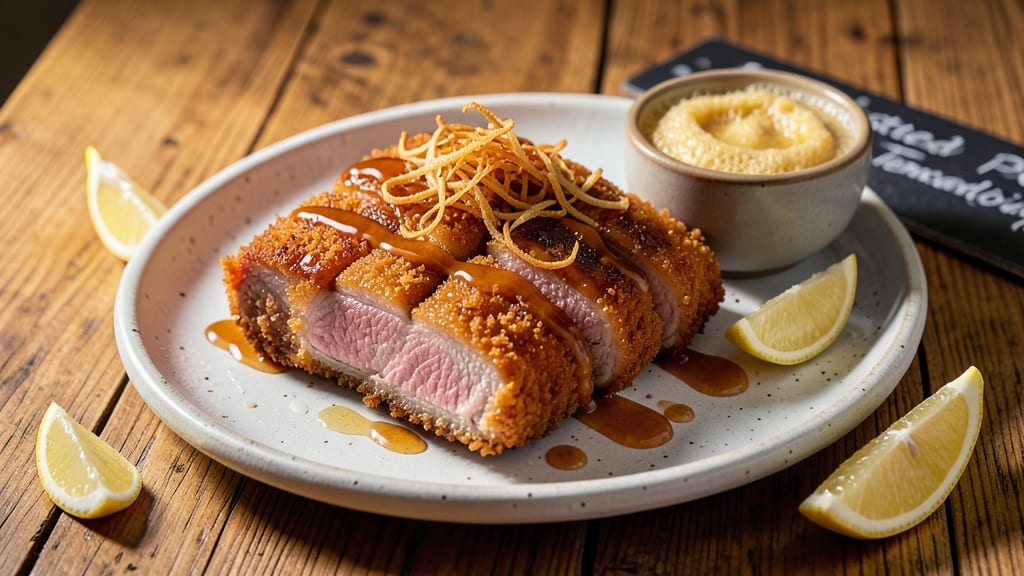
This battered pork tenderloin recipe delivers the perfect balance of crispy golden crunch and moist, tender meat—a technique I perfected during my years preparing 2,000 pounds of pork weekly at The Smoky Pig.
The secret lies in a light, airy batter that creates a shatteringly crisp exterior while keeping the interior juicy and succulent. Trust me, this method transforms a simple cut into a showstopper that rivals restaurant-quality dishes.
The process is straightforward but requires precision: a double-dredge technique ensures maximum crispiness, while careful frying or baking maintains that perfectly moist center. I’ve tested this recipe countless times, adjusting the batter ratio and cooking times to guarantee foolproof results every time.
Whether you’re serving a crowd or treating yourself to a weeknight feast, this dish delivers restaurant-quality satisfaction without the fuss.
What you’ll achieve is a crispy, golden-brown exterior that shatters at the touch, revealing tender, juicy pork underneath. The batter clings perfectly, creating a crunchy shell that contrasts beautifully with the tender meat.
Serve it with a side of tangy coleslaw or roasted vegetables to complete the meal—this tenderloin is the star, but it’s the little details that make it unforgettable.
For those who love crispy, tender pork, this recipe is a game-changer. It’s versatile enough for weeknight dinners or special occasions, and the technique scales easily whether you’re cooking for two or a crowd. Let’s get started—your taste buds will thank you.
Ingredients for battered pork tenderloin
Crispy, golden batter meets tender pork—here's how to nail it every time.
| Ingredient | Amount | Notes |
|---|---|---|
| Pork Tenderloin 🥩 | 1 ½ lb | Center-cut, trimmed of fat |
| All-Purpose Flour 🌾 | 1 ½ cups | Sifted for light batter |
| Cornstarch 🌾 | ½ cup | For extra crispiness |
| Large Eggs 🥚 | 2 whole | Room temperature for best results |
| Dry Beer 🍺 | ½ cup | Light lager preferred |
| Diamond Crystal Kosher Salt 🧂 | 1 tbsp | Plus extra for seasoning |
| Ground Black Pepper 🌶️ | 1 tsp | Freshly cracked |
| Garlic Powder 🧄 | 1 tsp | For depth of flavor |
| Onion Powder 🧅 | 1 tsp | Balances the batter |
| Vegetable Oil 🫒 | 3 cups | For frying, 350°F |
| Unsalted Butter 🧈 | 2 tbsp | Melted for basting |
| Fresh Lemon 🍋 | 1 whole | Juiced for finishing |
| Fresh Parsley 🌿 | ¼ cup | Chopped for garnish |
The pork tenderloin is your star, so spring for the center-cut—it's leaner and more tender. Trim any visible fat before cooking, as it can prevent even browning. I always source mine from Whole Foods or my local butcher, where they can cut it to the exact size you need. For a crowd, double the recipe—just increase the oil by 1/3 cup per additional pound. The beer in the batter isn't just for flavor; it adds lightness that regular milk can't match. Corona or Bud Light work perfectly—they're light and won't overpower the pork.
No beer? Club soda or sparkling water keeps the batter light, though the flavor won't be identical. Fresh out of parsley? Dried parsley at half the amount works in a pinch, but fresh is worth hunting down at the market. The cornstarch is non-negotiable for that shatteringly crisp crust—don't skip it. For extra insurance, chill the batter for 30 minutes before dredging. And if you're nervous about frying, baking at 400°F for 20 minutes after dredging gives nearly identical results with less mess. The lemon juice at the end? Always fresh—bottled won't cut it.
Keep the pork in the fridge until ready to use—2 days max for best texture. The batter mix stays good for 1 day covered in the fridge, but I make it fresh each time for maximum crispiness. Frying oil can be reused 2-3 times if you keep it at 350°F between batches. For leftovers, reheat in a 375°F oven for 10 minutes to restore that crispy exterior. Store in an airtight container, but honestly? This disappears fast—plan to make extra.
Why You'll Love This Recipe
- Crispy in Minutes: The beer batter gets golden in under 15 minutes—no waiting for hours like some other cuts. I swear, the cornstarch in that flour mix makes all the difference for that satisfying crunch without burning.
- Beer’s Secret Boost: That dry beer isn’t just for flavor—it tenderizes the pork while you prep, so you end up with juicy meat that doesn’t dry out. Honestly, it’s the little things like this that make a recipe feel special.
- Weeknight or Party: Same batter, endless uses—slap it on for a quick weeknight dinner or double the batch for game day. My kids don’t even care if it’s fancy; they’ll eat it straight from the pan.
- Budget-Friendly Feast: Pork tenderloin stretches further than you’d think, and the ingredients cost less than takeout. I’ll be real: this is my go-to when I need to feed four people without breaking the bank.
Step-by-step instructions for battered pork tenderloin
Here's how to create a perfectly crispy exterior with juicy, tender meat every time.
Prepare the Pork and Seasoning
Pat the 1.5 lb pork tenderloin completely dry with paper towels—this is crucial for maximum crispiness. Trim any remaining fat if needed, then season generously with 1 tablespoon Diamond Crystal kosher salt, 1 teaspoon garlic powder, and 1 teaspoon onion powder. Let it sit at room temperature for 15 minutes while you prepare the batter.
I like to press the seasoning into the meat gently with my fingertips so it adheres well. The spices will infuse into the pork during the frying process, adding depth of flavor beneath that crispy crust. This step ensures even cooking and prevents the meat from drying out.
Create the Light, Crispy Batter
In a large bowl, whisk together the 1.5 cups all-purpose flour and 0.5 cup cornstarch until fully combined. The cornstarch is key here—it creates that extra-crispy texture we're after. In a separate bowl, beat the 2 whole large eggs until just combined, then whisk in the 0.5 cup dry beer and remaining 1 teaspoon ground black pepper. Here's the thing—don't skip the beer. It adds subtle flavor and helps create a lighter batter.
Slowly pour the wet ingredients into the dry ingredients while whisking constantly. You want a smooth, pourable batter with a consistency similar to heavy cream. If it's too thick, add 1 tablespoon of water at a time until it reaches the right texture. Let the batter rest for 5 minutes before dredging the pork—this gives the flour time to fully hydrate and creates a better coating.
Heat the Oil and Fry the Pork
Fill a deep skillet or Dutch oven with 3 cups vegetable oil and heat it to 350°F. Use a deep-fry thermometer to monitor the temperature—it's crucial to maintain this exact heat for even cooking. While the oil heats, dip the seasoned pork into the batter, letting any excess drip off before carefully lowering it into the hot oil.
Fry for 4-5 minutes per side until the pork reaches an internal temperature of 145°F and the batter turns a beautiful golden brown. I press down gently on the pork during the first minute to prevent it from curling and ensure even contact with the oil. Don't overcrowd the pan—fry one piece at a time if needed to maintain the oil temperature.
Finish with Butter and Lemon
Once the pork reaches the proper temperature, transfer it to a wire rack set over a baking sheet. This allows any excess oil to drain away while keeping the meat warm. Immediately melt the 2 tablespoons unsalted butter in the same skillet over medium heat, then pour it generously over the hot pork. The residual heat will create a glossy, flavorful finish.
Squeeze the juice from the whole fresh lemon over the pork and sprinkle with the 0.25 cup chopped fresh parsley. The acid from the lemon brightens the flavors while the parsley adds a fresh, vibrant touch. Let the pork rest for 5 minutes before serving—this allows the juices to redistribute, ensuring each bite is perfectly moist.
Serve Immediately with Confidence
The secret to serving this dish at its best is timing. Cut the pork into 1-inch thick slices and serve immediately with your favorite dipping sauce or alongside roasted vegetables. The exterior should be wonderfully crispy, while the interior remains juicy and tender—exactly what we promised. Each bite delivers that satisfying crunch followed by succulent pork that practically melts in your mouth.
Real talk: if you let it sit too long, the crust will soften. Serve it hot, let your guests admire that golden batter, and watch as they take seconds.
Pro Tips For Making Battered Pork Tenderloin
- Pat the pork dry: The beer batter won’t stick properly if the meat’s damp—I learned this after sloppy first batches. Grab paper towels and really press into the tenderloin’s surface, especially after trimming. Wet hands? Toss them in flour first.
- Use cold beer, not room temp: I was skeptical until I tried it: chilled beer keeps the batter from absorbing too fast, giving you time to coat evenly. Pour your beer into a bowl, then pop it in the fridge for 10 minutes before mixing with eggs and flour.
- Double-check your oil temp: Too low and the batter soaks in like a sad sponge; too high and it burns before the center cooks. Test with a wooden chopstick—it should sizzle and rise to the surface in 3 seconds. Adjust heat as needed.
- Rest the meat, then slice: Skipping this step means juices running everywhere when you cut. After frying, tent the tenderloin with foil and let it sit 5 minutes. Slice against the grain—thin cuts stay together better, and the crust won’t shatter.
Health benefits of battered pork tenderloin
Lean Protein Power
Pork tenderloin is one of nature's leanest cuts, with just 3.5 grams of fat per 3-ounce serving—about 70% less than a pork chop. This makes it an excellent choice for anyone watching their fat intake while still getting 26 grams of high-quality protein per serving.
The batter adds minimal calories, so you're getting all the benefits of protein without the guilt. 💪
Rich in B Vitamins
Pork tenderloin is packed with essential B vitamins, particularly B6 and niacin, which play crucial roles in energy metabolism and nervous system function. A single serving provides nearly 50% of your daily niacin needs, helping convert food into energy efficiently.
I always notice a boost in my energy levels after eating pork tenderloin, especially during long cooking sessions.
Low-Calorie Crispy Delight
The batter we use creates a satisfying crunch without adding excessive calories. A typical serving of this battered pork tenderloin contains about 250-300 calories, with the majority coming from the lean pork itself.
The cornstarch in the batter helps create that crispy texture while keeping the calorie count surprisingly low compared to traditional fried foods.
Versatile for Dietary Needs
This recipe can easily be adapted for various dietary needs. For a gluten-free version, simply replace the all-purpose flour with 1.5 cups gluten-free flour blend and add 1 tablespoon xanthan gum to improve binding.
The cornstarch remains the same. The beer can be substituted with sparkling water for a non-alcoholic option without sacrificing texture. 🌱
Selenium Boost
Pork tenderloin is an excellent source of selenium, a powerful antioxidant that supports thyroid function and immune health. A single serving provides about 40% of your daily selenium needs.
I always recommend including selenium-rich foods in your diet, especially if you live in areas with selenium-deficient soil. This tenderloin gives you a tasty way to get your daily requirement.
Meal Prep Friendly
While best served fresh, this battered pork tenderloin can be prepped ahead and reheated for quick meals. The protein content makes it perfect for meal prep, providing lasting energy throughout your day.
Store cooked portions in an airtight container in the refrigerator for up to 3 days or freeze for up to 3 months. Reheat in a 375°F oven for 10 minutes to restore that crispy exterior. The nutritional benefits remain intact, making it a practical choice for busy schedules.
Nutrition facts
Frequently asked questions about battered pork tenderloin
Can I bake the battered pork tenderloin instead of frying?
Preheat your oven to 400°F and place the dredged pork on a wire rack over a baking sheet. Bake for 20-25 minutes, flipping halfway, until the internal temperature reaches 145°F and the batter is golden brown. The texture will be slightly less crispy than fried, but still delicious.
How do I prevent the pork from drying out?
Never skip the 15-minute room temperature step before cooking—this ensures even cooking. Also, use a meat thermometer to check for 145°F internal temperature only. Overcooking is the #1 reason for dry pork. The butter and lemon finishing step helps lock in moisture too.
What's the best way to cut the pork tenderloin?
Always cut against the grain for maximum tenderness. Use a sharp chef's knife and slice into 1-inch thick pieces after resting for 5 minutes. This allows the juices to redistribute, preventing dryness. Never cut while hot—wait until it's rested.
Can I make this recipe ahead of time?
For best results, serve immediately, but you can prep components ahead. Mix the dry batter ingredients 1 day in advance and store in an airtight container. Keep the pork refrigerated until ready to cook. If reheating, bake at 375°F for 10 minutes to restore crispiness. The flavor improves overnight!
What's the secret to extra crispy batter?
The cornstarch is your secret weapon—it creates that shatteringly crisp texture. Also, chill the batter for 30 minutes before dredging and use room temperature eggs. Fry in small batches to maintain 350°F oil temperature—never overcrowd the pan. Double-dredging (dipping twice) adds extra crunch too!