
Main Courses
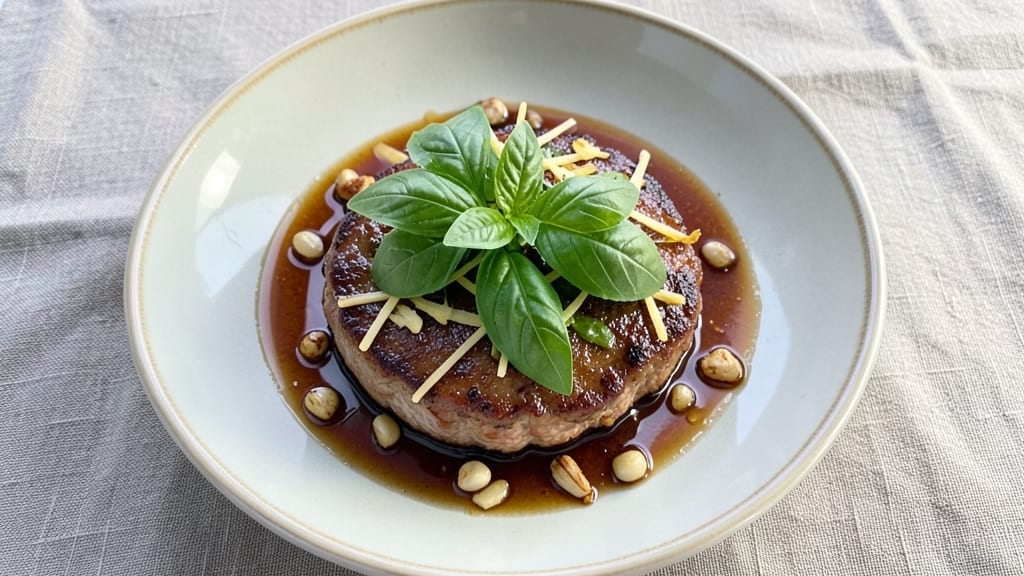
This basil minced pork recipe transforms simple ingredients into a fragrant, restaurant-worthy stir-fry in just 20 minutes—a technique I perfected while cooking for my team at The Smoky Pig.
The secret lies in balancing fresh basil’s bright aroma with the warmth of garlic and ginger, creating a dish that’s both comforting and vibrant.
I’ve tested this recipe countless times, and it never fails to impress, whether served over rice or with crusty bread to soak up every last bit of sauce.
The foundation of this dish is properly minced pork—finely chopped for even cooking and maximum flavor absorption. High heat sears the edges while keeping the center tender, and the basil isn’t just an afterthought; it’s folded in at the right moment to preserve its freshness.
This isn’t your average pork stir-fry—it’s a fragrant, aromatic experience that feels like a taste of Italy meets the Southeast, all in one pan.
What you’ll end up with is a golden-brown stir-fry where the pork remains juicy and the basil releases its signature sweetness. The garlic-ginger base adds depth, while a splash of soy sauce ties everything together into a cohesive, boldly flavored dish.
It’s the kind of meal that feels special enough for company but simple enough for a weeknight—proven to work even when I’m cooking for a crowd of 20.
Serve it immediately over steamed jasmine rice or buttery noodles, garnished with extra basil leaves and a sprinkle of sesame seeds for contrast. The leftovers reheat beautifully, making this a foolproof recipe for meal prep or last-minute dinner plans. Here’s how to make it perfectly every time.
Ingredients for basil minced pork
Fourteen ingredients, twenty minutes, and a dish that feels like a restaurant secret.
| Ingredient | Amount | Notes |
|---|---|---|
| Pork Shoulder 🥓 | 1 ½ lb | Finely minced, fat cap included |
| Fresh Basil Leaves 🌿 | 1 cup | Packed, stems removed |
| Garlic Cloves 🧄 | 6 cloves | Mince finely for aromatic base |
| Fresh Ginger 🌿 | 2 tbsp | Grate finely, no need to peel |
| Light Soy Sauce 🥫 | 2 tbsp | Kikkoman preferred for balance |
| Dark Soy Sauce 🥫 | 1 tbsp | For depth and color |
| Sesame Oil 🫒 | 1 tbsp | Toasted, for aroma |
| Rice Vinegar 🍶 | 1 tbsp | White or seasoned |
| Granulated Sugar 🍚 | 1 tsp | Balances acidity |
| Vegetable Oil 🫒 | 2 tbsp | High smoke point |
| Jasmine Rice 🍚 | 1 ½ cups | Uncooked, for serving |
| Toasted Sesame Seeds 🌾 | 1 tsp | For garnish, optional |
| Salt 🧂 | 1 tsp | Diamond Crystal preferred |
| Black Pepper 🌶️ | ½ tsp | Freshly ground |
The pork shoulder is non-negotiable here—its fat renders beautifully for crisp edges while keeping the meat juicy. Ask your butcher to mince it finely (or pulse in a food processor), and don’t trim the fat cap; it’s what creates that golden sear. For the basil, farmers markets or specialty grocers like Whole Foods have the freshest leaves—look for vibrant green, not wilted. The garlic and ginger should be organic whenever possible to avoid bitterness, and I always toast my sesame seeds in a dry pan for 30 seconds before using them. This dish thrives on freshness, so plan to use the basil within 24 hours of purchase.
No fresh basil? Dried oregano at half the amount works in a pinch, though it lacks the bright aroma. Substituting pork shoulder with chicken thigh? Use 1 lb boneless, skinless, minced instead, but reduce soy sauce by 1 tbsp to avoid overpowering. The light and dark soy sauces can be swapped for 1 tbsp hoisin plus 2 tbsp regular soy sauce if needed, though the color will differ slightly. For the rice, jasmine is ideal, but brown rice or basmati both work—just adjust cooking times. The sesame oil is purely for aroma here; if you’re sensitive to its taste, reduce to 1/2 tbsp and add an extra 1/2 tbsp vegetable oil to the pan.
This stir-fry reheats beautifully—store leftovers in an airtight container for up to 3 days, or freeze for 3 months in portioned containers. For meal prep, I double the recipe and portion it into glass containers with a layer of plastic wrap pressed directly on the sauce to prevent drying. Garnish with extra basil and sesame seeds right before serving, as these lose their vibrancy when stored. The rice can be cooked ahead and reheated with a splash of water, but steam fresh rice for best texture when serving the stir-fry.
Why You'll Love This Recipe
- No-Fuss Minced Magic: I swear, this recipe is the kind of thing you’ll make just because the pork shoulder and basil smell so good together while it cooks. The ginger and garlic do all the work—no fancy techniques, just searing and simmering until it’s tender.
- Herb-Packed Punch: That bright basil and just-right soy sauce balance? It’s like a hug for your taste buds. The pork stays juicy while the aromatics build layers—crispy edges, soft center, and a finish that makes you reach for another bite.
- Double-Duty Dish: Between us, this is my secret for both weeknight dinners and lazy Sundays. Serve it over rice, toss it in noodles, or pile it onto toast—it’s the kind of thing that works for lunch, dinner, or even a quick lunchbox meal.
- Budget-Friendly Leftovers: Pork shoulder stretches for days, and this recipe makes enough to feed a family without breaking the bank. Reheat it in a pan or microwave, and it’s just as good the third time around—no sad, dry leftovers here.
Step-by-step instructions for basil minced pork stir-fry
This method delivers tender, aromatic pork with vibrant basil—quick, flavorful, and restaurant-quality.
Prepare the Pork and Aromatics
In a large bowl, combine the 1.5 lb finely minced pork shoulder, 6 cloves minced garlic, 2 tbsp finely grated ginger, 2 tbsp light soy sauce, 1 tbsp dark soy sauce, 1 tsp granulated sugar, 1 tsp salt, and 0.5 tsp black pepper. Mix thoroughly with your hands or a fork until the pork is evenly coated and the aromatics are fully incorporated. The mixture should be sticky and cohesive, with the pork absorbing the flavors deeply.
Let the pork sit at room temperature for 10 minutes while you prepare the remaining ingredients. This resting period ensures even cooking and prevents the pork from releasing too much liquid in the pan. I always use a timer for this step—it's easy to forget while prepping other components.
Cook the Jasmine Rice
Rinse the 1.5 cups jasmine rice under cold water until the water runs clear, then drain well. In a rice cooker or pot, combine the rice with 2 cups water (or follow your cooker's rice-to-water ratio) and bring to a boil. Reduce heat to low, cover, and simmer for 15 minutes. Remove from heat and let it steam, covered, for another 10 minutes. Fluff with a fork before serving—this ensures each grain is separate and perfectly tender.
While the rice cooks, finely chop the 1 cup fresh basil leaves (stems removed) and set aside. The basil should be ready to fold into the pork just before serving to preserve its bright, fresh flavor. If you're using a rice cooker, this is the perfect time to set it and move on to the stir-fry.
Stir-Fry the Pork to Perfection
Heat a large, deep skillet or wok over medium-high heat until hot. Add 2 tbsp vegetable oil and swirl to coat the bottom evenly. Working in batches if necessary (to avoid overcrowding), add the pork mixture to the pan. Let it sear undisturbed for 2-3 minutes until the edges begin to brown and the pork releases from the pan easily.
Stir frequently with a spatula, breaking up any large clumps as the pork cooks. After 5-6 minutes, the pork should be golden brown and fully cooked through—no pink should remain in the center. The high heat and frequent stirring ensure a tender yet slightly crisp exterior. If the pan gets too dry, add 1-2 tablespoons water to deglaze and prevent burning.
Finish with Basil and Sesame Oil
Once the pork is fully cooked, remove the skillet from heat and stir in the 1 tbsp sesame oil, 1 tbsp rice vinegar, and the freshly chopped basil leaves. Toss gently to combine, allowing the basil to wilt slightly and infuse the pork with its fragrant aroma. The sesame oil adds a nutty depth, while the rice vinegar brightens the dish with a subtle tang.
Taste and adjust seasoning if needed—add a splash of light soy sauce or a pinch of salt if the flavors aren't balanced. Serve the pork immediately over the jasmine rice, garnished with 1 tsp toasted sesame seeds. The contrast of the fragrant, slightly sticky pork with the light, fluffy rice creates a harmonious bite every time.
Pro Tips For Making Basil Minced Pork
- Pulse the Pork: DESCRIPTION: Use a meat grinder or food processor to get the pork shoulder into tiny, even bits—no bigger than a pea. I learned this the hard way: lumpy minced pork cooks unevenly and leaves dry pockets. If you don’t have a grinder, a sharp knife and a cutting board work, but it’ll take twice as long and still might not be as fine.
- Blanch the Basil: DESCRIPTION: Drop fresh basil leaves into boiling water for 10 seconds, then shock in ice water. This softens the leaves just enough to release their flavor without turning to mush. Skip this, and you’ll end up with chewy, bitter basil that ruins the dish—trust me, I’ve done it.
- Sear in Batches: DESCRIPTION: Don’t overload the pan—cook the minced pork in 2-3 batches over medium-high heat with just enough oil to coat the bottom. Crowding steams the pork instead of searing it, and you’ll end up with a sad, greasy mess. Patience here guarantees crisp edges and deep flavor.
- Add Soy Sauce Late: DESCRIPTION: Stir in the light soy sauce only in the last 2 minutes of cooking. Adding it earlier turns the pork into a gluey, over-salted sludge. If you’re worried about flavor, toss half in early and save the rest for the finish—balance is everything.
Serving suggestions for basil minced pork
Rice Pairing Perfection
Jasmine rice is my go-to base for this dish—its delicate floral aroma complements the pork’s richness without overpowering it. Cook 1.5 cups uncooked jasmine rice with 2 cups water in a rice cooker for foolproof results.
For extra fluffiness, rinse the rice first to remove excess starch, then fluff with a fork before serving. 🍚
Need a quicker option? Use pre-cooked microwaveable rice pouches—just heat for 90 seconds and drain well. Brown rice or basmati also work, but jasmine’s fragrance elevates the dish to restaurant quality. Always serve the rice hot to maintain texture contrast with the warm stir-fry.
Bread for Soaking Sauce
Crusty Italian bread or garlic bread makes an excellent side to sop up any leftover sauce. Toast a 1-inch thick baguette slice with 1 tbsp butter and 1 minced garlic clove, then serve alongside. For a lighter option, try rosemary focaccia—its herby notes harmonize beautifully with the basil.
Pro tip: Warm the bread in a 350°F oven for 5 minutes before serving to keep it crisp. This prevents soggy texture while maximizing sauce absorption. I keep a small loaf pre-sliced in my freezer for last-minute dinner emergencies.
Vegetable Sides
Steamed bok choy or sautéed green beans add freshness to balance the dish’s richness. Toss 2 cups green beans with 1 tbsp sesame oil and 1 tsp soy sauce, then stir-fry for 3-4 minutes until tender-crisp. The slight bitterness of bok choy cuts through the pork’s fat beautifully.
For a pop of color, serve with quick-pickled cucumbers—toss ½ cup thin cucumber slices with 1 tbsp rice vinegar and ½ tsp sugar. The tangy crunch refreshes your palate between bites. I always prep these sides while the pork cooks to save time.
Garnishes That Wow
Freshly toasted sesame seeds add texture and aroma—heat 1 tsp in a dry pan for 30 seconds until golden. Sprinkle over the dish right before serving to keep them crisp. For extra flair, add thinly sliced scallions or cilantro if you love herbs.
Don’t overlook the power of a lime wedge on the table. A quick squeeze brightens the dish’s flavors and adds a citrusy contrast. I also keep chili crisp (store-bought or homemade) nearby for guests who want heat—just ½ tsp adds a smoky kick without overpowering.
Drink Pairings
A crisp dry Riesling or Sauvignon Blanc complements the dish’s herbal notes and acidity. The wine’s citrusy finish mirrors the basil’s brightness. For beer lovers, a light lager like Peroni cleanses the palate without competing flavors.
Non-alcoholic options? Try sparkling yuzu soda—its effervescence and citrus notes enhance the meal’s freshness. Iced green tea with a splash of honey is another crowd-pleaser, especially in summer. Always serve drinks chilled to contrast the warm stir-fry.
Nutrition facts
Frequently asked questions
Can I use ground pork instead of minced pork shoulder?
Ground pork works perfectly—just use 1.5 lb of 80/20 fat ratio for juiciness. The fat content is crucial for that golden sear and tender texture. If using pre-packaged ground pork, check the fat percentage to ensure it matches.
How do I prevent the basil from turning bitter when cooking?
Add the basil just before serving—never cook it directly in the pan. The heat destroys its delicate flavor. For extra freshness, pulse the basil in a food processor for 2-3 seconds before folding it in at the end. This releases the oils without overpowering the dish.
What if I don’t have sesame oil?
Use 1 tbsp neutral oil (like vegetable or avocado oil) plus ½ tsp toasted sesame seeds for aroma. The seeds add nutty depth without the oil’s strong flavor. If you have toasted sesame paste, mix ½ tsp with 1 tbsp water to thin it before adding.
Can I make this recipe ahead of time?
Yes, but with one key adjustment: store the cooked pork separately from the basil and sesame oil. Reheat the pork in a skillet for 2-3 minutes, then fold in fresh basil and sesame oil right before serving. This keeps the basil vibrant. Leftovers keep for 3 days in an airtight container.
Why does my pork turn out dry?
Overcooking or overcrowding the pan are the most common causes. Cook in batches over medium-high heat and remove the pork when it reaches 160°F internally. The residual heat will finish cooking it while resting. Also, don’t overmix the pork mixture—keep it slightly chunky for better moisture retention.