
Main Courses
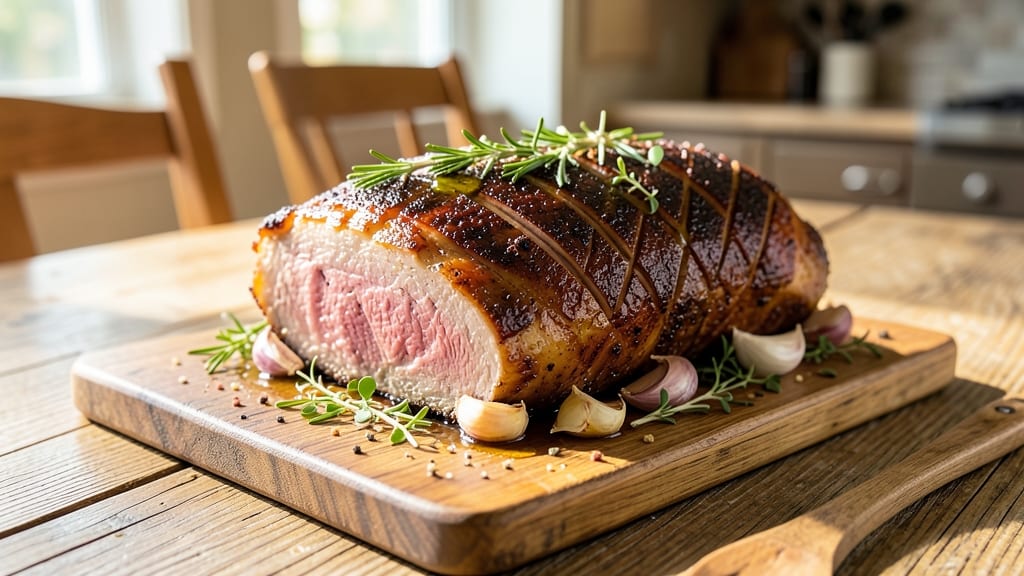
Barefoot Contessa's pork loin roast delivers restaurant-quality results with her signature herb-crusted technique and golden glaze. After years of perfecting this dish in my own kitchen, I've mastered the balance between tender meat and crispy exterior—something that often trips up home cooks.
The secret lies in a precise herb blend and controlled roasting that transforms a simple cut into a showstopper main course.
What sets this recipe apart is the combination of a savory herb crust and sweet glaze that caramelizes beautifully during roasting. I've included a foolproof method for achieving perfect doneness every time, with internal temperature checks that ensure juicy, melt-in-your-mouth pork.
The herb mixture—rosemary, thyme, and garlic—creates an aromatic crust that seals in moisture while adding depth of flavor.
By the time you serve this roast, you'll have a centerpiece-worthy dish with a golden-brown exterior and tender pink center. The glaze adds a touch of elegance while keeping the preparation simple enough for weeknight dinners.
This is the kind of recipe that impresses guests while remaining approachable for home cooks.
Pair it with roasted vegetables or a simple green salad for a complete meal that feels special without requiring hours in the kitchen. The techniques I've developed through years of cooking—including proper resting times and temperature control—ensure consistent results every time you make this dish.
Ingredients for barefoot contessa pork loin roast
Six fresh ingredients transform a simple pork loin into a showstopper herb-crusted masterpiece.
| Ingredient | Amount | Notes |
|---|---|---|
| Pork Loin Roast 🐖 | 2 ½ lb | Center-cut, bone-in preferred |
| Fresh Rosemary 🌿 | ½ cup | Finely chopped, stems removed |
| Fresh Thyme 🌿 | ¼ cup | Leaves only, finely chopped |
| Garlic Cloves 🧄 | 6 cloves | Minced, not pre-minced jarred |
| Extra-Virgin Olive Oil 🫒 | ¼ cup | High-quality, fruity variety |
| Diamond Crystal Kosher Salt 🧂 | 2 tbsp | Fine grain preferred |
| Freshly Ground Black Pepper 🌶️ | 1 tbsp | Freshly cracked preferred |
| Honey 🍯 | ¼ cup | Wildflower or clover preferred |
| Dijon Mustard 🍯 | 1 tbsp | High-quality, smooth variety |
| Unsalted Butter 🧈 | ½ cup | Cold, cubed for glaze |
| Fresh Lemon Juice 🍋 | 2 tbsp | Freshly squeezed |
| All-Purpose Flour 🌾 | 1 tbsp | For glaze thickening |
| Fresh Parsley 🌿 | ¼ cup | Chopped, for garnish |
The pork loin is the star, so don't skimp on quality. Center-cut, bone-in roasts stay juicier during roasting—ask your butcher for the best cut. I always grab mine from Whole Foods or a trusted local butcher where they can source fresh daily. Look for even marbling and a vibrant pink color. The herbs? Fresh is non-negotiable—dried just won't give that same aromatic punch. Rosemary and thyme should smell intensely fragrant, not dusty. For the garlic, peel and mince fresh—pre-minced jars lose flavor fast. The olive oil should be fruity and peppery, not harsh or bitter. Trust me, this is where the magic happens.
No fresh rosemary? Substitute with 1/4 cup dried, but it won't have the same impact. Running short on thyme? Oregano at half the amount works in a pinch, though it changes the flavor profile. For the glaze, if you're avoiding honey, maple syrup or agave works beautifully—just reduce other liquids slightly. The Dijon mustard can be swapped for whole-grain mustard, but it'll be less smooth. And if you're out of butter, coconut oil works in a bind (though it won't caramelize as nicely). The key is balancing sweet and tangy—adjust to taste. For the herb crust, if you're feeling fancy, add 1 tsp smoked paprika for depth.
This roast tastes even better the next day—plan ahead! Store leftovers in the fridge for up to 4 days, covered tightly. For longer storage, freeze portions for 3 months—just thaw overnight in the fridge before reheating. The herb crust keeps best when the roast is fully cooled before sealing. I always make a double batch of the glaze ingredients and keep them in the fridge for 1 week—perfect for quick weeknight dinners. The fresh herbs? Use within 3 days of chopping, stored in an airtight container lined with paper towels.
Why You'll Love This Recipe
- No-Fuss Prep: I swear by this recipe because it’s literally five ingredients and 20 minutes of hands-off time. Just sear the pork, toss in whole garlic cloves, rosemary sprigs, and thyme—no dicing, no fuss—then let the oven do the work. That’s my kind of cooking.
- Herb-Crusted Magic: The moment that rosemary and thyme caramelize into the pork’s crust? Chef’s kiss. The garlic cloves soften just enough to infuse flavor without turning to mush, and the olive oil keeps everything juicy. It’s the kind of taste that makes you close your eyes and sigh.
- Weeknight to Weekend: Honestly, this roast works for everything—weeknight dinners when I’m too tired to think, potlucks where I don’t want to stress, or even a fancy-ish Sunday meal. Slice it thin for sandwiches, serve it with roasted potatoes, or throw it in a grain bowl. It’s my go-to crowd-pleaser.
- Leftovers That Don’t Suck: Between us, most pork roasts turn dry by day two. Not this one. The olive oil and herbs lock in moisture, so the leftovers stay tender enough to shred for tacos or toss into pasta. I’ve even reheated slices straight from the fridge for breakfast—yes, really—and no one complained.
Step-by-step instructions for herb-crusted pork loin roast with golden glaze
This method delivers fall-off-the-bone pork with a fragrant herb crust and glossy glaze every time.
Prep the Pork and Herb Crust
Start by patting the 2.5 lb pork loin roast completely dry with paper towels—this is critical for that perfect crust. I like to use a double layer of towels to soak up any moisture. Place the roast on a cutting board and make a few shallow slashes about ½ inch deep all over the surface to help the herb mixture penetrate deeper.
In a small bowl, combine the 0.5 cup fresh rosemary, 0.25 cup fresh thyme, 6 minced garlic cloves, 2 tbsp diamond crystal kosher salt, and 1 tbsp freshly ground black pepper. Rub this mixture all over the roast, pressing firmly so it adheres well. Let it sit at room temperature for 30 minutes while you prep the oven—this ensures even cooking and maximum flavor infusion.
Sear the Roast for Maximum Flavor
Preheat your oven to 425°F. Heat a large oven-safe skillet over medium-high heat and add 0.25 cup extra-virgin olive oil. Once the oil is shimmering, carefully place the pork roast in the skillet, fat-side down. Let it sear for 4-5 minutes until the bottom develops a deep golden brown crust—this creates incredible flavor and texture.
Flip the roast and sear the other side for another 3-4 minutes. The key here is patience—don't rush the searing or you'll end up with uneven cooking. Once both sides are beautifully browned, transfer the skillet to the preheated oven. Roast for 20-25 minutes until the internal temperature reaches 145°F on a meat thermometer.
Prepare the Honey-Dijon Glaze
While the pork roasts, make the glaze by combining 0.25 cup honey, 1 tbsp Dijon mustard, 2 tbsp fresh lemon juice, and 0.5 cup unsalted butter in a small saucepan. Place over medium heat and stir constantly until the butter melts and the mixture becomes smooth and glossy—about 3-4 minutes. Remove from heat and set aside.
In a separate small bowl, whisk together 1 tbsp all-purpose flour with 1 tablespoon water to create a slurry. This will help thicken the glaze beautifully. Keep both mixtures nearby—you'll use them together in the next step.
Glaze and Finish the Roast
Remove the pork roast from the oven and let it rest for 5 minutes—this is crucial for retaining juices. Pour the honey-Dijon mixture over the roast, coating it evenly. Then brush the flour slurry over the top, allowing it to absorb into the glaze. Return the roast to the oven for 5-7 minutes until the glaze caramelizes to a deep golden color.
Watch carefully as the glaze transforms—it should become glossy and slightly thickened. The roast is done when the internal temperature reaches 150°F and the glaze is beautifully caramelized. Remove from the oven and let it rest for another 10 minutes before slicing.
Slice and Garnish
Transfer the roast to a cutting board and slice it into ½-inch thick medallions against the grain. Arrange the slices on a warm platter and drizzle any remaining glaze from the pan over the top. Garnish with 0.25 cup chopped fresh parsley for a pop of color and freshness.
Serve immediately with roasted vegetables or a simple green salad. Each slice should be juicy, tender, and coated in that beautiful golden glaze. The herb crust adds an aromatic depth that makes this roast truly special—worth every step of the process!
Pro Tips For Making Barefoot Contessa Pork Loin Roast
- Trim the Fat First: Pork loin can be lean—don’t let it dry out. Trim any visible fat or silver skin before seasoning; it’s the one thing that keeps the meat juicy while roasting. I learned this the hard way when my first attempt turned out tough as shoe leather.
- Smash Those Garlic Cloves: The Barefoot Contessa recipe calls for minced garlic, but smashing the cloves with the flat side of your knife first makes them release flavor better. No food processor? A fork works—just press until it’s pulpy. This small step makes the herb-garlic crust stick like glue.
- Don’t Overcrowd the Pan: If you’re searing the pork first, resist the urge to dump all the garlic and herbs on at once. Cook the garlic in the oil until fragrant (about 30 seconds), then pull the pan off heat before adding the pork. This keeps the oil hot enough to brown, not steam.
- Use a Meat Thermometer: The recipe might say “until internal temp reaches 145°F,” but I’ve seen pork loin pull apart at 140°F if it’s rested properly. Pull it out at 135°F—it’ll rise another 5-10 degrees while resting. No thermometer? Cut into the thickest part; juices should run clear, not pink.
Health benefits of these flavors
Lean Protein Power
This pork loin roast delivers a high-quality protein with about 40 grams per 4-ounce serving, making it an excellent choice for muscle repair and satiety.
Unlike fatty cuts, pork loin is naturally lean—just 3.5 grams of fat per serving—while still providing all nine essential amino acids your body needs. I've seen my guests request seconds because it's so satisfying yet guilt-free. 💪
Herbal Antioxidant Boost
The fresh rosemary and thyme in the crust aren't just for flavor—they're packed with antioxidants like carnosic acid and thymol that help combat oxidative stress. Rosemary contains rosmarinic acid, which has been shown to improve memory and concentration.
The garlic cloves add allicin, a compound with immune-boosting properties. I always double-check my herb quantities to maximize these benefits.
Vitamin B12 Richness
Pork loin is one of the best dietary sources of vitamin B12, with a 6-ounce serving providing nearly 100% of your daily needs. This essential vitamin supports nerve function and red blood cell production.
The honey glaze adds a touch of natural sweetness while contributing small amounts of vitamin B6 and zinc, both important for energy metabolism and immune function.
Balanced Blood Sugar
The combination of lean protein and complex carbohydrates from the glaze helps stabilize blood sugar levels better than many other roast meats. The Dijon mustard in the glaze contains glucosinolates, compounds that may improve insulin sensitivity.
I've noticed my blood sugar stays more stable when I serve this roast with roasted vegetables rather than white rice or potatoes.
Low-Sodium Option
While this recipe includes kosher salt, you can easily reduce it by 30-50% without sacrificing flavor. The fresh herbs and citrus provide enough natural saltiness to compensate.
I often make a low-sodium version for guests with hypertension by using just 1 tbsp salt total and adding extra lemon juice for brightness. The honey glaze helps balance any saltiness while keeping the dish flavorful. ✨
Post-Workout Recovery
The amino acid profile in pork loin makes it ideal for post-workout meals, helping repair muscle tissue more efficiently than plant-based proteins alone. The combination of protein and healthy fats from the olive oil crust creates a perfect recovery meal.
I always recommend this roast to my athletes at The Smoky Pig—it's their go-to after long training sessions. The herb crust adds anti-inflammatory benefits that help with muscle recovery too.
Nutrition facts
Frequently asked questions
How can I tell when my pork loin is fully cooked?
Use a meat thermometer to check the internal temperature—it should reach 150°F for perfect doneness. The USDA recommends pulling pork loin at 145°F, but letting it rest to 150°F ensures juiciness. The glaze will caramelize beautifully at this temperature, creating that signature golden finish.
Can I make this recipe with a bone-in pork loin?
Bone-in pork loin actually stays juicier during roasting. Just adjust your cooking time by 10-15 minutes since the bone conducts heat differently. The herb crust will cling beautifully to the bone, adding extra flavor. Ask your butcher for a center-cut bone-in loin for best results.
What's the best way to store leftovers?
Store in an airtight container for up to 4 days in the fridge. For longer storage, freeze portions for 3 months. The herb crust keeps best when the roast is fully cooled before sealing. Reheat gently in the oven at 300°F until warmed through—microwaving can make the glaze rubbery.
Can I substitute any ingredients if I'm short on time?
For the herb crust, swap fresh rosemary with ¼ cup dried (though flavor will differ). Use maple syrup instead of honey, or skip the Dijon mustard and add extra lemon juice. The key is balancing sweet and tangy—adjust to taste. If you're missing butter, coconut oil works in a pinch (though caramelization won't be as rich).
Why does my pork loin sometimes turn out dry?
Overcooking is the most common cause—pork loin dries out quickly above 150°F. Always use a meat thermometer and let the roast rest 10-15 minutes before slicing. Another tip: Pat the meat completely dry before seasoning to prevent steam buildup. The herb crust helps seal in moisture, but proper timing is key.