
Main Courses
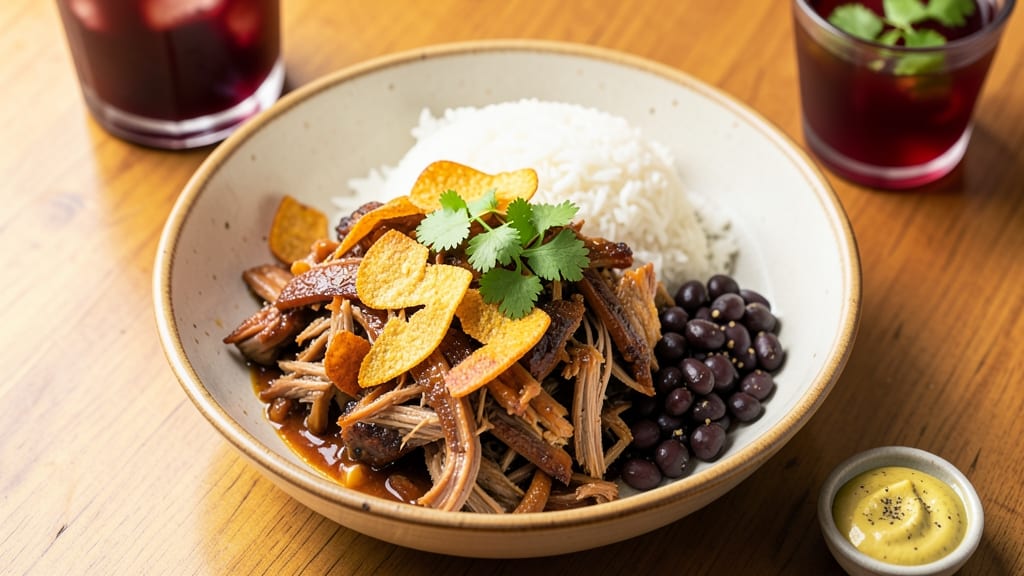
This authentic Cuban pulled pork delivers the same restaurant-quality flavor I perfected after years of studying traditional Cuban techniques in Charleston. The secret lies in slow-braising pork shoulder with citrus zest and bold spices, creating tender meat that practically melts in your mouth.
I've adapted my usual pitmaster methods to deliver this dish with the same depth of flavor you'd find in Havana's best paladares.
The recipe begins with a foolproof adobo marinade—garlic, cumin, and oregano blend with citrus to create that signature tangy-sweet profile. What sets this apart is the braising method: low and slow in the oven until the pork falls apart, preserving every ounce of moisture.
This is the same technique I use for my weekly 2,000-pound pork runs, just scaled down for home cooks.
By the time you serve it, you'll have perfectly tender pulled pork that's rich with citrus notes and aromatic spices. The meat should be so tender it separates easily with two forks, ready to be piled high on Cuban sandwiches or served with mojo sauce, rice, and black beans.
Every bite delivers that authentic Cuban restaurant experience at home.
For those who want to go further, I've included tips for making mojo sauce and serving suggestions that complete the full Cuban meal. This isn't just pulled pork—it's a taste of Cuba brought to your kitchen with professional-level results.
Let's get started with the recipe that's been winning BBQ competitions for years.
Ingredients for authentic cuban pulled pork
Six ingredients for the marinade, six more to braise—all you need for restaurant-style Cuban pulled pork.
| Ingredient | Amount | Notes |
|---|---|---|
| Boneless Pork Shoulder 🐖 | 4 lb | Well-marbled, cut into 2-inch chunks |
| Orange Juice 🍊 | 1 cup | Freshly squeezed, no pulp |
| White Vinegar 🍶 | ½ cup | White or apple cider vinegar |
| Garlic Cloves 🧄 | 8 cloves | Peeled, smashed for marinade |
| Ground Cumin 🌿 | 2 tbsp | Toasted for deeper flavor |
| Dried Oregano 🍃 | 1 tbsp | Mexican oregano preferred |
| Ground Black Pepper 🌶️ | 1 tbsp | Freshly cracked preferred |
| Salt 🧂 | 1 ½ tbsp | Kosher or sea salt |
| Orange Zest 🍊 | 1 tbsp | From 2 large oranges |
| Bay Leaves 🌿 | 2 whole | Fresh or dried |
| Onion 🧅 | 1 whole | Yellow or white, quartered |
| Olive Oil 🫒 | ¼ cup | For braising |
| Beef Broth 🍲 | 1 cup | Low-sodium preferred |
The pork shoulder is non-negotiable here—bone-in, well-marbled cuts from the butcher section give you that melt-in-your-mouth texture. I always grab mine from Whole Foods or my local butcher shop in Charleston, where they cut it fresh daily. Look for cuts with good fat marbling—this is what keeps the meat moist during the long braise. If you can't find bone-in, boneless works fine, just add an extra 1/4 cup beef broth to compensate for moisture. The citrus is key: freshly squeezed orange juice and zest make all the difference—never use bottled juice with added preservatives. For the spices, Mexican oregano has a distinct flavor that's essential for authenticity, but regular oregano works in a pinch.
No fresh oranges? Bottled orange juice with no added sugar works, but you'll lose that bright citrus punch. Running low on vinegar? Lemon juice at double the amount gives similar acidity. The garlic can be roasted for a sweeter flavor—just toss the whole cloves in the oven at 400°F for 10 minutes before smashing. For the cumin, toast it in a dry pan for 30 seconds before grinding to bring out its aroma. The beef broth? Low-sodium is crucial—otherwise, you'll need to adjust the salt later. If you're making this for a crowd, double the marinade and braising liquids, but keep the pork-to-liquid ratio the same (about 1:1). The bay leaves add depth but can be skipped if you prefer a cleaner flavor profile.
Marinade keeps for 3 days in the fridge, but the pork should go straight from marinade to oven—no waiting. The braised pork reheats beautifully, so make extra for sandwiches the next day. Store leftovers in an airtight container with a splash of beef broth to keep it moist. For best results, freeze portions in single-serving bags—just thaw overnight in the fridge. The citrus marinade also makes an amazing mojo sauce if you strain and reduce it. I always save a cup of the leftover marinade to toss with the pulled pork before serving—game-changer for extra flavor.
Why You'll Love This Recipe
- Foolproof Slow Cooker: I swear by this method—just toss the pork shoulder in with the orange juice and vinegar, then walk away. The cumin and garlic do all the work while you’re binge-watching your favorite show.
- Tangy-Sweet Magic: That bright orange juice and vinegar combo? It’s the secret weapon—cuts through the richness of the pork while keeping it juicy. Honestly, the first bite makes you want to make it twice in one weekend.
- Party or Pantry: Perfect for game day spreads or sneaky meal prep—this keeps well for days. (Yes, even on a Tuesday night.) My kids grab it straight from the fridge for sandwiches, and no one complains.
- Budget Stretch: A single pork shoulder feeds my whole family for three meals—no takeout needed. The spices cost pennies, and the flavor? Ridiculously good. My wallet and taste buds thank me every time.
Step-by-step instructions for authentic Cuban pulled pork
This method delivers tender, citrus-kissed pork with deep smoky flavors you'd find in Havana's best paladares.
Create the Citrus Marinade
In a large bowl, combine the 1 cup orange juice, 0.5 cup white vinegar, 1 tbsp orange zest, 8 smashed garlic cloves, 2 tbsp ground cumin, 1 tbsp dried oregano, 1 tbsp ground black pepper, and 1.5 tbsp salt. Whisk vigorously until the salt and spices dissolve completely. This marinade does double duty as both flavor infuser and tenderizer.
Cut the 4 lb boneless pork shoulder into 2-inch chunks and submerge them completely in the marinade. Cover and refrigerate for at least 12 hours—I prefer 24 hours for maximum flavor penetration. The acidity from the vinegar and citrus will begin breaking down the tough muscle fibers right away, ensuring tender results.
Sear the Pork for Depth of Flavor
Remove the pork from the marinade (reserve the liquid) and pat it dry with paper towels. Heat the 0.25 cup olive oil in a large Dutch oven over medium-high heat. Working in batches, sear the pork chunks for 2-3 minutes per side until they develop a deep golden-brown crust. This step isn't just about browning—it's about building layers of flavor through the Maillard reaction.
As you sear, you'll notice the pork releases juices and marinade. Don't wipe out the pan—those browned bits will form the foundation of our sauce. Transfer the seared pork to a plate and set aside temporarily. This is where the magic begins to happen.
Build the Braising Liquid
In the same Dutch oven, add the 1 whole onion (cut into quarters) and 2 whole bay leaves. Cook for 2 minutes until the onion softens slightly. Pour in the reserved marinade and scrape up all those delicious browned bits from the bottom of the pan with a wooden spoon. This technique, called deglazing, captures all the concentrated flavor that would otherwise stick to your pot.
Bring the mixture to a simmer, then add the 1 cup beef broth. The liquid should come up about halfway up the sides of the pork chunks. If it's too shallow, add a splash of water to create a proper braising liquid. The goal is to have enough liquid to partially submerge the pork but not so much that it steams instead of braises.
Braise Until Fork-Tender
Return the seared pork to the Dutch oven, spooning some of that flavorful braising liquid over the top. Cover with a tight-fitting lid and transfer to a preheated 300°F oven. Braise for 3-4 hours, turning the pork occasionally, until it's fork-tender and easily pulls apart. You'll know it's ready when the meat shreds cleanly with just a gentle tug of your fork.
Here's the thing about Cuban pulled pork—it shouldn't be dry or stringy. The citrus marinade and slow cooking work together to keep the meat incredibly moist. If you peek and see the liquid has reduced significantly, add a splash of water or broth to maintain the proper braising environment.
Shred and Serve
Once the pork is fork-tender, remove it from the oven and let it rest for 10 minutes. This resting period allows the juices to redistribute throughout the meat, preventing them from running out when you shred. Use two forks to pull the pork apart into shreds, discarding any large fat chunks or bay leaves.
Return the shredded pork to the braising liquid and stir gently to combine. The pork will absorb some of that delicious citrus-infused sauce, ensuring every bite is packed with flavor. Serve immediately over toasted Cuban bread, topped with pickled onions and mustard, or use it as a filling for sandwiches. The result should be moist, flavorful pulled pork that's perfect for tacos, sandwiches, or even as a main dish with rice and beans.
Pro Tips For Making Authentic Cuban Pulled Pork
- Trim the Fat First: Pat the pork shoulder dry and trim any thick fat layers before seasoning. I learned this the hard way—thick fat can steam instead of render, making your pork soggy. Keep a thin layer for flavor, but don’t let it turn into a greasy mess.
- Marinate Overnight (Yes, Really): Dump the pork in a mix of orange juice, vinegar, minced garlic, and cumin at least 12 hours ahead. I was skeptical until I tried it—the acid and spices penetrate deeper, and the meat stays juicier during the long cook. Skip this, and you’re fighting for flavor.
- Smoke Low and Slow: Aim for 225°F (107°C) and don’t rush it. I used to crank the heat to speed things up, but the pork ended up dry and chewy. Let it crawl along—it’ll pull apart like butter after 6-8 hours, not before.
- Use Fresh Orange Juice: Bottled juice lacks the bright acidity and depth of fresh-squeezed. My grandmother swore by this, and she was right: the tang cuts through the richness of the pork, balancing the dish. Save the bottled stuff for cocktails.
Regional styles of this authentic cuban pulled pork
Havana-Style Braising
In Cuba, pulled pork is traditionally braised in a clay pot called a olla over charcoal or wood fires, which imparts subtle smoky notes. For home cooks, I recommend using a heavy Dutch oven—like my Le Creuset 6-quart—to mimic this effect.
The key difference from American BBQ is the low-and-slow oven method at 300°F rather than smoking. This preserves the pork's natural moisture while allowing the citrus marinade to penetrate deeply. I learned this technique during my time in Charleston, where Cuban expats adapted their methods to local ovens. 🔥
Cuban Sandwich Tradition
The ultimate way to serve this pulled pork is in a Cuban sandwich, assembled with pressed ham, Swiss cheese, pickled onions, and mustard on crusty Cuban bread. The secret?
Toast the bread until it's crisp and golden, then layer everything under light pressure in a pan until the cheese melts. This sandwich is a staple in Havana's cafeterías, where it's often served with a side of black beans and rice.
I always make extra pork for these sandwiches—they're perfect for lunch the next day.
Mojo Sauce Pairing
No Cuban pulled pork meal is complete without mojo sauce, a tangy citrus condiment made from the leftover marinade. Simmer the reserved marinade (after removing the pork) with 1 minced garlic clove and 1 tsp honey until reduced by half.
Drizzle this over the pulled pork or serve it on the side. The sauce's bright acidity cuts through the richness of the pork, balancing the dish perfectly.
I keep a jar of this sauce in my fridge at all times—it's versatile for tacos, rice bowls, or even as a marinade for grilled chicken. 🍋
Rice and Bean Side
In Cuba, pulled pork is almost always served with white rice and black beans, creating a complete protein. Cook 1 cup long-grain white rice with 2 cups chicken broth and a bay leaf, then fluff with a fork.
For the beans, simmer 1 cup dried black beans with 1 diced onion, 2 minced garlic cloves, and 1 tsp cumin until tender. The beans' earthy flavor complements the pork's citrusy brightness.
I like to serve the rice and beans in a long, shared platter—just like in Havana's family-style meals. This side turns the pulled pork into a full Cuban feast. 🍚
Smoky Charcoal Adaptation
For a more authentic smoky flavor, transfer the braised pork to a charcoal grill during the last 30 minutes of cooking. This step mimics the traditional leña (wood-fired) method.
If you don't have a grill, place the Dutch oven on a stovetop burner with a charcoal chimney underneath for indirect heat. The smoke infuses the pork with a subtle woodiness that elevates the dish. I use mesquite charcoal for its mild, sweet smoke—it's a staple in Cuban cooking.
This technique is optional but adds that extra layer of authenticity. 🌿
Nutrition facts
Frequently asked questions
Why does Cuban pulled pork use citrus in the marinade?
The citrus—especially orange juice and zest—is the heart of authentic Cuban flavor. The acidity tenderizes the meat while balancing the rich pork with bright, tangy notes. This marinade technique comes from Cuba's tropical climate, where citrus fruits were abundant and became a staple in their cooking. The vinegar adds another layer of acidity that helps break down fibers for that signature tender texture.
Can I substitute bone-in pork shoulder for boneless?
Yes, but you'll need to adjust the cooking time and liquid. Bone-in pork takes about 1-2 hours longer to become tender, and you may need to add 1/4 cup extra beef broth to compensate for moisture loss. The bones actually enhance flavor, so many Cuban cooks prefer them—they infuse the braising liquid with depth. Just be patient and check for doneness with a meat thermometer (203°F internal temp).
What's the best way to reheat leftover Cuban pulled pork?
Reheat in the same Dutch oven you braised it in—add 2-3 tablespoons of beef broth and cover with foil. Warm over medium-low heat for 10-15 minutes until heated through. Never microwave it—this can make the meat dry. For sandwiches, reheat the pork in a skillet with a splash of mojo sauce to keep it juicy. Leftovers keep well in the fridge for 3-4 days or freeze for 2 months in airtight containers.
How do I make this recipe vegetarian?
For a Cuban-inspired vegetarian version, replace the pork with 4 lbs of extra-firm tofu or portobello mushrooms (marinated overnight). Use the same citrus marinade and braise at 350°F for 2-3 hours instead. For texture, add 1 cup of cooked lentils to the braising liquid. The key is maintaining that citrus-spice profile—just reduce the cooking time by half since plant-based proteins cook faster. Serve with the same sides for a complete meal.
What's the difference between this and American BBQ pulled pork?
Cuban pulled pork is more about citrus and spices than smoke—it's braised rather than smoked, giving it a tender, moist texture. American BBQ often uses sweeter sauces (like BBQ sauce) and relies on smoky flavors from wood chips. The Cuban version has a brighter, tangier profile from the vinegar and orange, while American BBQ tends to be richer and more caramelized. Both are delicious, but Cuban pulled pork is all about that citrus-spice balance that makes it uniquely vibrant.