
Main Courses
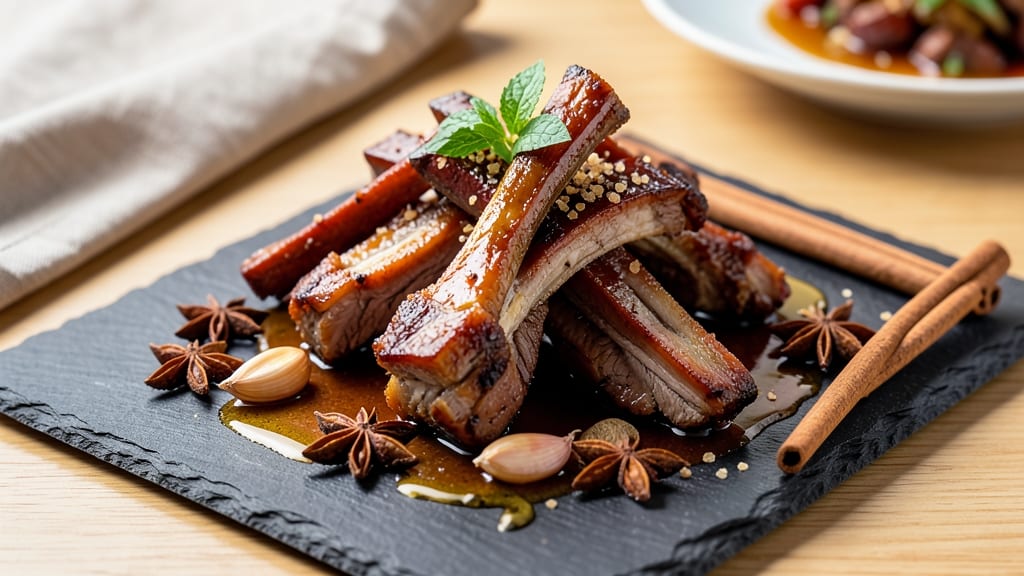
This Asian pork neck recipe transforms tough cuts into melt-in-your-mouth perfection with star anise and slow braising. 🔥 As a pitmaster who's cooked thousands of pounds of pork, I know the secret lies in patience—letting collagen break down until the meat practically falls apart at a touch.
The aroma alone will have your whole house gathering around the table.
The magic happens in the marinade, where soy sauce, brown sugar, and aromatic spices tenderize the meat while building deep flavor. Unlike quick-cooking methods, this slow-braised approach ensures every bite is juicy and rich, with that signature caramelized crust that makes it irresistible.
I've perfected this technique over years of cooking for crowds, and it never fails to impress.
What you'll end up with is restaurant-quality pork that's tender enough to shred with a fork, infused with warm star anise and cinnamon notes that linger on the palate. The sauce reduces to a glossy, slightly sticky glaze that clings perfectly to each piece.
This is the kind of dish that transforms a simple weeknight into a special occasion.
Serve it over steamed jasmine rice with quick-pickled vegetables for a complete meal that balances textures and flavors. The leftovers? Even better the next day as sandwiches or fried rice. Let's get started on this crowd-pleaser that's worth every minute of braising time.
Ingredients for asian pork neck
Pork neck, aromatic spices, and slow braising create this unforgettable Asian-inspired dish.
| Ingredient | Amount | Notes |
|---|---|---|
| Pork Neck Bones 🥩 | 3 lb | Fresh, skin-on preferred |
| Soy Sauce 🍶 | ½ cup | High-quality, low-sodium preferred |
| Brown Sugar 🍚 | ½ cup | Packed, light or dark |
| Star Anise Pods 🌿 | 4 whole | Whole, not ground |
| Cinnamon Sticks 🌿 | 2 whole | 1-inch pieces broken off |
| Garlic Cloves 🧄 | 8 cloves | Smashed, not minced |
| Fresh Ginger 🌿 | ½ cup | Julienned, 1/4-inch slices |
| Green Onions 🧅 | 4 whole | White and green parts separated |
| Sesame Oil 🫒 | 1 tbsp | Toasted, for finishing |
| Rice Vinegar 🍶 | 2 tbsp | White or seasoned |
| Cornstarch 🌾 | 1 tbsp | For thickening sauce |
| Jasmine Rice 🍚 | 2 cups | Uncooked, long-grain |
| Diamond Crystal Kosher Salt 🧂 | 1 ½ tsp | For seasoning |
| Ground Black Pepper 🌶️ | ½ tsp | Freshly cracked |
| Water 💧 | 4 cups | Filtered preferred |
Pork neck is the star here—look for thick, meaty cuts with good marbling at your butcher or Costco's bulk pork section. The skin adds flavor, but it's not mandatory. If you can't find neck bones, pork shoulder works in a pinch, though it won't be as tender. For star anise and cinnamon, spice markets like Penzeys carry the best quality, but the grocery store spices will work fine. The key is using whole spices—they infuse flavor more deeply than ground versions. If you're prepping ahead, trim excess fat to reduce grease in the braising liquid (but leave some for flavor).
No star anise? 1/2 teaspoon ground star anise is a quick swap, though the flavor won't be as complex. Running short on brown sugar? Honey or maple syrup works in a bind, but the sauce will have a different depth. The garlic and ginger can be pre-minced from a jar (though fresh is ideal), and if you're using pre-sliced ginger, pat it dry to avoid excess moisture in the braise. For the rice, jasmine or basmati are perfect—anything with a fragrant aroma will complement the dish. The sesame oil should be toasted for that nutty aroma, but if you're using it strictly for flavor, regular sesame oil is fine too.
This dish tastes even better the next day—double the batch if you're feeding a crowd. Store the pork and sauce separately in airtight containers for up to 4 days in the fridge, or freeze for 3 months. The rice reheats beautifully with a splash of water. For leftovers, shred the pork and mix it into fried rice or serve it on steamed buns with quick-pickled veggies. The braising liquid can be reduced further for a glossy sauce—just simmer it uncovered until thickened.
Why You'll Love This Recipe
- One-Pot Magic: I swear by this recipe when I’m too tired to deal with multiple pans—just toss the pork neck bones, soy sauce, and spices into a slow cooker and let it do the work. The star anise and cinnamon infuse deep flavor without any extra effort.
- Sweet-Savory Bliss: That caramelized brown sugar glaze? It’s the star. The pork falls off the bone with a glossy, sticky sweetness that balances the umami punch of soy sauce, and the spices add warmth without overpowering. Honestly, it’s the kind of dish that makes you close your eyes and savor every bite.
- Leftovers That Shine: This recipe actually improves the next day. The flavors meld even more, and the meat gets even more tender—perfect for quick lunches or tossing into fried rice. I’ll be real: my freezer always has a container of this, and it’s never a letdown.
- Budget-Friendly Feast: Pork neck bones are cheap, and this recipe stretches them into a hearty meal for the whole family. Between us, it’s my go-to when I need to feed a crowd without breaking the bank, and the spices make it feel special without costing extra.
Step-by-step instructions for slow-braised pork neck
Here's how to transform tough pork neck into melt-in-your-mouth perfection with aromatic depth.
🔥 Step 1: Parboil the Pork Neck Bones
Place the 3 lb pork neck bones in a large pot and cover with 4 cups water. Bring to a boil over high heat and cook for 10 minutes to remove impurities. You'll see scum rise to the surface—this is normal. Drain and rinse the bones thoroughly under cold water, then return them to the pot.
Here's the thing—this initial boiling ensures your final braise won't be clouded by blood or excess fat. The bones should be completely submerged in water during this process. After rinsing, give them a quick pat dry with paper towels to help them brown better in the next step.
🍳 Step 2: Build the Aromatic Base
In the same pot, add the 8 smashed garlic cloves, 0.5 cup julienned fresh ginger, 4 whole star anise pods, and 2 cinnamon sticks. Pour in the 0.5 cup soy sauce and 0.5 cup packed brown sugar, then add 1.5 tsp kosher salt and 0.5 tsp ground black pepper. Stir everything together to coat the bones completely.
This aromatic blend is where the magic happens. The star anise and cinnamon will infuse the meat with deep, warm spices, while the soy sauce and brown sugar create that signature glossy sheen. Make sure all the spices are submerged in the liquid—they should be fully covered to release their maximum flavor.
🔥 Step 3: Slow Braise Until Fork-Tender
Add enough water to cover the bones by about 1 inch (about 2 additional cups total). Bring to a gentle simmer over low heat—you're looking for just tiny bubbles breaking the surface, not a rolling boil. Cover the pot and let it cook for 3-4 hours, checking occasionally to ensure there's always liquid in the pot.
Here's where patience pays off. The pork neck should become fork-tender, falling apart easily when pierced with a fork. If the liquid reduces too much before the meat is tender, add hot water by the cup until the bones are covered again. The bones are ready when they separate with minimal resistance and the meat has absorbed all those beautiful spices.
🥘 Step 4: Thicken the Sauce and Finish
Once the pork is tender, remove the bones from the pot and set them aside. Strain the braising liquid through a fine-mesh sieve into a clean pot, pressing on the solids to extract every last bit of flavor. Return the liquid to medium-high heat and whisk in the 1 tbsp cornstarch mixed with 2 tbsp rice vinegar to create a smooth paste.
Let the sauce simmer for 3-5 minutes until it thickens to a glossy, coating consistency. It should coat the back of a spoon and cling beautifully to the pork. If it thickens too much, whisk in 1-2 tablespoons hot water to reach your desired consistency. The sauce should be rich but still pourable.
🍽️ Step 5: Serve Over Jasmine Rice
Cook the 2 cups jasmine rice according to package instructions until fluffy. To serve, place the pork neck bones on a platter and ladle the thickened sauce over them. Drizzle with 1 tbsp toasted sesame oil and garnish with sliced green onions (both white and green parts). The pork should be fall-apart tender with a glossy, aromatic sauce that clings beautifully to every bite.
Here's the best part: the bones will continue to infuse flavor into the rice as they sit. Serve immediately while the pork is still steaming hot, and don't forget to pass extra sauce for dipping. This dish tastes even better the next day as the flavors meld further—just reheat gently with a splash of water to maintain that perfect texture.
Pro Tips For Making Asian Pork Neck
- CRACK THE BONES FIRST: Skip the pre-cut convenience bones—ask your butcher to split the neck bones in half lengthwise before cooking. This exposes more surface area for the soy sauce and spices to penetrate, turning your pork neck into melt-in-your-mouth strips instead of tough, chewy chunks. (Yes, it’s an extra 10 minutes of prep, but your future self will notice the difference.)
- BLANCH TO CLEANSE: Toss the raw pork neck bones in a pot of boiling water for 3–4 minutes before braising. This wasn’t just my grandmother’s habit—it removes blood and surface impurities that can make your final dish taste metallic or cloudy. Drain and rinse them under cold water afterward; trust me, the effort saves you from redoing the whole braise.
- LOW AND SLOW AFTER 90 MINUTES: After the initial sear and simmer, drop the heat to the lowest setting possible—think "barely bubbling" or "one tiny wrinkle in the liquid." I used to rush this part, and the pork neck would either dry out or stay undercooked. The spices (star anise, cinnamon) need time to infuse, and the collagen needs hours to break down. Set a timer for 3+ hours and walk away.
- STIR THE SUGAR IN LAYERS: Don’t dump all the brown sugar at once—it’ll caramelize too fast and burn. Sprinkle half in during the first 30 minutes of cooking, then add the rest after 2 hours. This keeps the sauce balanced: sweet without being cloying, and deep without turning into syrup. (And yes, even if you’re impatient like me, resist the urge to peek and stir too early.)
Serving suggestions for this dish
Rice Pairings
Jasmine rice is my go-to base for this dish—its delicate floral aroma complements the rich pork beautifully. Cook 2 cups uncooked jasmine rice with 3 cups water and a pinch of salt for perfect fluffiness.
For extra depth, add the pork braising liquid to the rice pot during the last 5 minutes of cooking. 🌟
For a heartier option, try short-grain sushi rice—its stickiness helps hold the pork and sauce together. Rinse the rice 3 times before cooking to remove excess starch. I also love serving it over forbidden black rice for a dramatic visual contrast and nutty flavor.
Vegetable Sides
Quick-pickled vegetables cut through the richness perfectly. Thinly slice 1 cup daikon radish and 1 carrot, then soak in a mix of ½ cup rice vinegar, 2 tbsp sugar, and 1 tsp salt for 30 minutes. This brightens the plate and balances the deep pork flavors.
For a warm option, sauté 2 cups bok choy in 1 tbsp sesame oil with 2 minced garlic cloves until crisp-tender (3-4 minutes). The slight bitterness contrasts beautifully with the sweet-savory pork. 🥬
Garnishes That Elevate
A final drizzle of toasted sesame oil right before serving adds nutty depth. Heat 1 tbsp oil in a dry pan until fragrant (30 seconds), then cool slightly before drizzling. Fresh cilantro or Thai basil leaves scattered on top add vibrant color and freshness.
For a smoky touch, sprinkle 1 tsp smoked paprika or crushed Lapsang Souchong tea leaves (used in Chinese cooking) over the pork. The tea leaves add an earthy, slightly smoky aroma that pairs wonderfully with the star anise. 💫
Dipping Sauces
Serve with a simple soy-ginger dipping sauce made by mixing 2 tbsp soy sauce, 1 tbsp rice vinegar, 1 tsp grated ginger, and a pinch of red pepper flakes. This enhances every bite with bright, tangy contrast.
For something richer, blend ½ cup hoisin sauce, 1 tbsp sesame oil, and 1 tsp honey until smooth. The sweet-savory balance makes it irresistible for dipping or drizzling over the pork. 🍶
Nutrition facts
Frequently asked questions
Can I use pork shoulder instead of pork neck bones?
You can substitute pork shoulder, but the texture will differ. Pork neck bones become fork-tender and fall apart easily, while shoulder stays slightly more intact. For similar results, cut the shoulder into 2-inch chunks and braise for 4-5 hours instead of 3-4 hours. The flavor will be rich, but the meat won't be as tender.
How do I know when the pork neck is fully tender?
Pierce the thickest part with a fork or skewer—if it slides in effortlessly and the meat falls apart, it's ready. The bones should separate with minimal resistance, and the meat should pull away cleanly. If it's still tough after 4 hours, add 1 cup hot water and continue cooking another 30-60 minutes.
Can I make this recipe in a slow cooker?
After parboiling and building the aromatic base, transfer everything to a 6-quart slow cooker. Cook on low for 8-10 hours or high for 5-6 hours. The slow cooker's gentle heat works perfectly for breaking down collagen. Just skip the cornstarch step—thicken the sauce on the stovetop at the end.
What if I don't have star anise?
No problem! Replace the 4 whole star anise pods with ½ teaspoon ground star anise or 1 teaspoon anise seeds. If you're missing both, try ½ teaspoon ground cinnamon + ¼ teaspoon ground cloves for warmth. The flavor won't be identical, but it'll still be delicious.
How should I store leftovers?
Store the pork and sauce separately in airtight containers for up to 4 days in the fridge. For longer storage, freeze for 3 months. Reheat gently on the stove with a splash of water to maintain moisture. The sauce can also be reduced further for a thicker consistency. Leftovers taste even better reheated!