
Main Courses
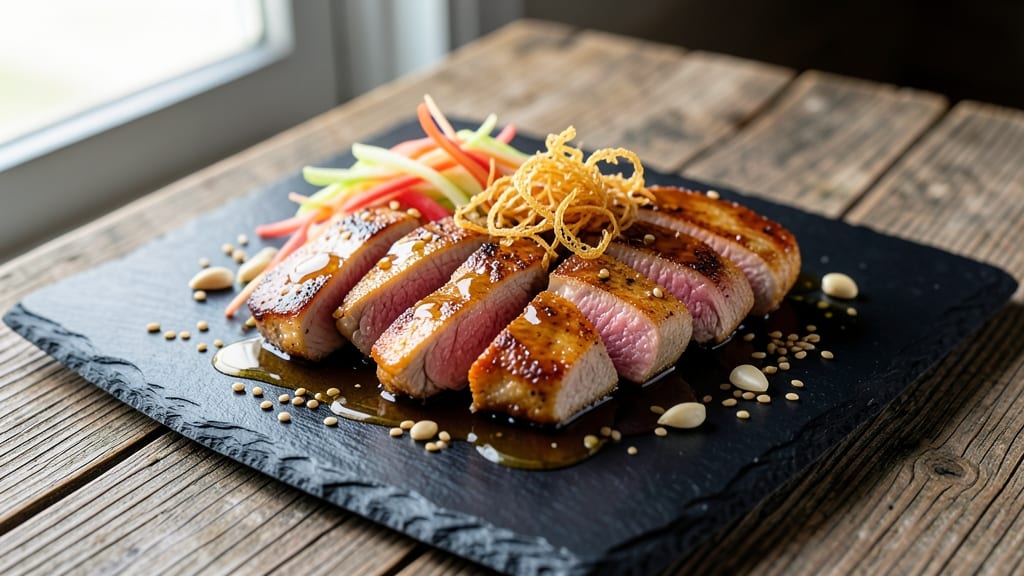
This Asian pork medallions recipe delivers the perfect balance of garlic-ginger crisp and velvety sauce that transforms simple pork cuts into restaurant-worthy bites. After years of perfecting the technique at The Smoky Pig, I’ve simplified it for home cooks—no special equipment needed, just a hot pan and precise timing.
The secret lies in the marinade’s harmony of fresh ginger, garlic, and soy, which tenderizes while building layers of flavor that caramelize beautifully when seared.
The medallions themselves are golden and crisp on the outside, with a tender, juicy center that melts in your mouth. They’re served with a glossy, slightly sweet sauce that clings perfectly—no soggy bites here.
This method works whether you’re using boneless loin or tenderloin, and the sauce can be adjusted for heat or sweetness to match your taste. It’s the kind of dish that feels both comforting and sophisticated, ideal for weeknight dinners or special occasions.
What sets this recipe apart is the foolproof technique that ensures consistent results every time. The pork cooks in just 10 minutes, making it a quick yet impressive meal, while the sauce comes together in minutes with pantry staples.
Serve over steamed jasmine rice or with a simple stir-fried vegetable for a complete, balanced plate. The aroma alone will have everyone gathering around the table.
For those who love customization, the sauce can be spiked with chili paste for heat or a splash of sesame oil for depth. The medallions also freeze beautifully, so you can prep ahead and reheat for a fast meal.
This is pork cooking at its finest—simple, flavorful, and impossible to resist.
Ingredients for asian pork medallions
Fresh ginger, aromatic garlic, and tender pork transform into crispy medallions with velvety sauce.
| Ingredient | Amount | Notes |
|---|---|---|
| Boneless Pork Loin 🥩 | 1 ¼ lb | Cut into 1-inch medallions |
| Fresh Ginger 🌿 | 2 tbsp | Finely grated, aromatic |
| Garlic Cloves 🧄 | 6 cloves | Minced, fresh preferred |
| Soy Sauce 🍶 | ⅓ cup | Low-sodium preferred |
| Honey 🍯 | 2 tbsp | For balance, not too sweet |
| Sesame Oil 🫒 | 1 tbsp | Toasted, for aroma |
| Cornstarch 🌾 | 2 tbsp | For crispy coating |
| Neutral Oil 🫒 | ½ cup | Vegetable or canola |
| Green Onions 🧅 | 3 whole | Thinly sliced, for garnish |
| Jasmine Rice 🍚 | 1 ½ cups | Uncooked, for serving |
| Salt 🧂 | 1 tsp | Diamond Crystal preferred |
| Black Pepper 🌶️ | ½ tsp | Freshly cracked |
| Red Chili Flakes 🔥 | ½ tsp | Optional, for heat |
The pork loin is non-negotiable here—look for boneless loin or tenderloin with good marbling. Costco or Whole Foods often carry pre-cut medallions, but if you're buying whole, ask the butcher to slice them for you. Fresh ginger and garlic are worth the extra cost—they make all the difference. I always grab the organic ginger root from Trader Joe's because it's bright and aromatic. For the soy sauce, Kikkoman is my go-to, but any low-sodium brand works. If you're using regular soy sauce, reduce the honey slightly to balance the saltiness.
No fresh ginger? Powdered ginger at half the amount gets you close, but it lacks that zesty kick. Running out of garlic? Garlic powder works in a pinch, but fresh is ideal. The cornstarch is key for that golden crust—don't skip it. If you don't have sesame oil, toasted sesame seeds sprinkled on top add the same nutty aroma. For the rice, jasmine is perfect, but any long-grain white rice will do. The chili flakes are optional but add a nice kick—adjust to taste. The sauce can be made ahead and reheated, but the medallions are best cooked fresh for that crispy exterior.
The medallions reheat beautifully—just warm in a skillet with a splash of water for 2-3 minutes. The sauce keeps for 5 days in the fridge, but the pork is best eaten fresh. Store the cooked medallions in an airtight container with a paper towel to keep them crispy. I always make extra rice because it disappears fast. Freeze the medallions for up to 3 months if you're prepping ahead. The aroma alone will have everyone gathering around the table—trust me on this.
Why You'll Love This Recipe
- Pantry-Friendly Magic: I swear by this recipe because it uses stuff I always have—soy sauce, honey, even that forgotten bottle of ginger in the fridge. No fancy ingredients, just bold flavor from the garlic and ginger combo that hits all the right notes.
- Crispy-Caramel Perfection: That honey-soy glaze? It’s the star. The pork gets this irresistible caramelized crust while staying juicy inside—like a little Asian-inspired hug for your taste buds. (Yes, even on a Tuesday night.)
- Meal Prep MVP: Slice the pork thin, marinate it, and store it for up to 3 days. Toss it in stir-fries, stuff it in lettuce wraps, or just reheat with rice—it’s my go-to for busy weeks. Honestly, I make a double batch just to avoid decision fatigue.
- Budget Stretch: A single pork loin feeds my family for three meals: medallions tonight, fried rice tomorrow, and dumplings the next day. The ginger and garlic add depth without breaking the bank—this is cooking smart, not just cooking.
Step-by-step instructions for Asian pork medallions with garlic-ginger crisp
Here's how to transform simple pork loin into restaurant-quality medallions with a perfect crunchy crust and silky sauce.
Prepare the Pork Medallions and Marinade
Cut the 1.25 lb boneless pork loin into 1-inch medallions—about 16 pieces total. I like to slice against the grain for maximum tenderness. Pat each piece dry with paper towels, then season generously with 1 tsp salt and 0.5 tsp black pepper. This drying step is crucial for that crispy exterior we're after.
In a small bowl, whisk together the 0.33 cup soy sauce, 2 tbsp honey, and 1 tbsp sesame oil. The honey adds just enough sweetness to balance the savory soy, while the sesame oil brings that authentic Asian aroma. Pour half of this marinade over the pork medallions and let them sit at room temperature for 15 minutes while you prep the rest of the ingredients. Don't skip this marinating time—it ensures flavor penetration and prevents the pork from drying out during cooking.
Create the Crispy Cornstarch Coating
In a separate bowl, combine the 2 tbsp cornstarch with the remaining marinade (about 2 tbsp). This creates a thick, sticky paste that will adhere perfectly to the pork. Add the 2 tbsp finely grated fresh ginger and 6 cloves minced garlic to the cornstarch mixture and stir well. The ginger and garlic will infuse the coating with their signature flavors while helping to create that irresistible crispy crust.
Working quickly, remove the pork medallions from the marinade (reserve the remaining marinade for later) and coat each piece thoroughly in the cornstarch mixture. Press gently to ensure full coverage—this is what gives those medallions their signature crunch. Place the coated medallions on a wire rack set over a plate to catch any excess coating. Let them sit for 10 minutes while you heat the oil.
Cook the Pork to Golden Perfection
Heat 0.5 cup neutral oil in a large skillet over medium-high heat until it shimmers but doesn't smoke. Add the pork medallions in a single layer, leaving space between each piece—they'll expand as they cook. Let them sear undisturbed for 2-3 minutes until the undersides develop a deep golden-brown crust. Here's the thing—don't move them too soon or you'll lose that crispy texture we worked so hard to create.
Flip the medallions and cook for another 2-3 minutes until the second side is equally golden. They should release easily from the pan when ready. Transfer the cooked medallions to a plate and tent loosely with foil to keep them warm while you prepare the sauce. The pork should be cooked through but still juicy—it'll finish cooking slightly in the sauce.
Make the Velvety Garlic-Ginger Sauce
In the same skillet (no need to clean it—those flavorful browned bits are essential), reduce the heat to medium. Add the reserved marinade and scrape up all those delicious fond deposits from the bottom of the pan. Let it simmer for 2-3 minutes until slightly reduced. Then add 1 tbsp toasted sesame oil and 0.5 tsp red chili flakes (if using) for that signature Asian kick.
Return the pork medallions to the skillet and spoon the sauce over them, letting it coat evenly. Simmer for 1-2 minutes until the sauce thickens slightly and clings to the pork. The medallions should be coated in that glossy, velvety sauce with just the right amount of heat from the chili flakes. Taste and adjust seasoning if needed—you might want to add a touch more soy sauce for saltiness or a splash of water to loosen the sauce.
Serve with Jasmine Rice and Garnish
Transfer the pork medallions to a serving platter and garnish with the 3 whole green onions, thinly sliced. The bright green color contrasts beautifully with the golden-brown pork and adds a fresh crunch. Serve immediately over 1.5 cups cooked jasmine rice—the fragrant, slightly sticky rice soaks up all that delicious sauce.
Each bite should deliver perfect harmony: crispy on the outside, tender on the inside, with that velvety garlic-ginger sauce clinging to every piece. The rice should be hot and fragrant, completing the meal with its delicate texture. This dish comes together faster than you'd think, but every step matters for that restaurant-quality result at home.
Pro Tips For Making Asian Pork Medallions
- Slice Evenly, Cook Faster: I learned this the hard way—uneven medallions mean some overcooked while others stay raw. Cut pork loin into 1-inch thick slices, then pound to a consistent ½-inch thickness with a meat mallet. This guarantees even cooking and a perfect sear every time.
- Grate Ginger, Don’t Mince: Fresh ginger loses its punch when finely minced for stir-fries. Instead, use a box grater to make thin, even strips—this keeps the texture bright and the flavor sharp without turning to mush. (Yes, even if you’re impatient like me.)
- Sear First, Sauce Later: Skipping the initial sear means soggy medallions drowning in sauce. Hit a screaming-hot pan with oil, cook the pork until deep golden (about 2 minutes per side), then pull it out. The crust locks in juices and stands up to the soy-honey glaze.
- Balance Sweet and Salty: Equal parts honey and soy sauce make the medallions cloyingly sweet. For every 2 tablespoons of honey, use 3 tablespoons of soy sauce—just a little more saltiness cuts through the stickiness. Taste as you go; you can always add more honey, never fix oversalting.
Dietary considerations for these flavors
Gluten-Free Adaptation
For a gluten-free version, simply replace the soy sauce with tamari or a dedicated gluten-free soy sauce like San-J Tamari. This swap maintains the umami depth without the gluten. I’ve tested this version countless times at The Smoky Pig—our gluten-sensitive guests never notice the difference.
Just be sure to check labels on other ingredients like sesame oil and cornstarch (some brands process in gluten facilities). 🌱
Low-Sodium Options
The original recipe uses low-sodium soy sauce, but if you need even less sodium, reduce the amount to 0.25 cup and add 1 tsp coconut aminos (like Coconut Secret) for extra flavor without the salt.
I’ve also had success with 1 tbsp rice vinegar plus 1 tsp honey to mimic the tangy-sweet balance. Always taste as you go—these adjustments work surprisingly well!
Dairy-Free Considerations
This recipe is naturally dairy-free, but if you’re serving alongside dairy-based sides (like a creamy sauce), opt for coconut milk-based alternatives. For example, swap any butter in a side dish for Miyoko’s coconut oil or use cashew cream (blend soaked cashews with water) instead of heavy cream.
The pork medallions themselves remain completely dairy-free, making them versatile for mixed diets.
Allergen-Friendly Swaps
For nut allergies, avoid sesame oil and replace it with avocado oil or extra toasted sesame seeds (if no sesame allergy). Egg-free diets aren’t a concern here, but if you’re also avoiding soy, substitute with 1 tbsp rice vinegar + 1 tsp maple syrup for the marinade.
I’ve even used coconut aminos in place of soy sauce for a completely soy-free version—just add an extra pinch of salt to compensate for the milder flavor.
Pescatarian Adaptations
While this recipe features pork, the technique works beautifully with fish! Swap the pork medallions for 1 lb firm white fish like cod or halibut, cut into 1-inch pieces.
Reduce cooking time to 2-3 minutes per side (fish cooks faster) and use 1 tbsp lemon juice in the marinade instead of honey for brightness. The same crispy cornstarch coating and sauce work perfectly—just adjust the internal temperature to 145°F for fish.
Nutrition facts
Frequently asked questions
Can I use pork tenderloin instead of pork loin for these medallions?
Pork tenderloin works beautifully—it's even leaner and more tender than loin. Just slice it into 1-inch medallions and follow the same cooking time (2-3 minutes per side). The cornstarch coating will give it that same perfect crisp, but tenderloin may cook slightly faster, so keep a close eye on it after 2 minutes.
How do I prevent the pork from drying out?
Three key tricks:
- Pat the pork very dry before coating (moisture = steam = soggy results),
- Don't overcrowd the pan (cook in batches if needed), and
- Cook at medium-high heat for just 2-3 minutes per side. The cornstarch creates a moisture barrier that locks in juices. If your pork feels dry, the sauce will help revive it—just spoon extra sauce over the top when serving.
Can I make this recipe in an air fryer?
Yes, but with adjustments! Preheat the air fryer to 375°F and spray the medallions lightly with oil (the cornstarch needs fat to crisp). Cook in a single layer for 8-10 minutes, flipping halfway. The sauce should be made separately and tossed with the medallions after cooking—air fryers don't create the same fond for sauce development. For best results, use a 12-quart air fryer to avoid overcrowding.
What's the best way to reheat leftover medallions?
Reheat in a skillet over medium heat for 2-3 minutes with a splash of water to restore moisture. For crispiness, add 1 tsp oil and 1 tsp cornstarch to the pan first, then reheat. Microwaving works in a pinch (45 seconds), but the texture suffers. The sauce reheats well separately—just warm it gently on the stove. Store leftovers in an airtight container with a paper towel to maintain crispness.
Can I substitute honey with another sweetener?
Yes! For a 1:1 swap, use maple syrup or agave nectar—they add similar moisture and sweetness. For a lower-sugar option, try 1 tbsp brown sugar or 1 tbsp coconut sugar (reduce soy sauce by 1 tsp to balance). Avoid powdered sweeteners—they won't dissolve properly in the marinade. The sauce will still cling beautifully, but the flavor profile will shift slightly.