
Main Courses
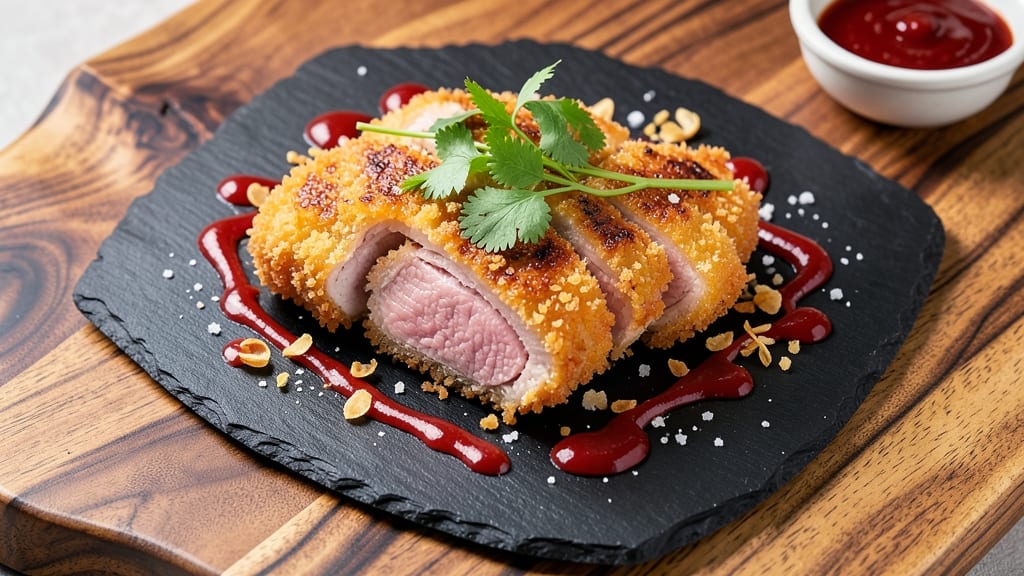
Mastering these crispy-fried Asian pork cutlets transformed my approach to weeknight dinners—juicy, golden edges that shatter with every bite, paired with a sweet chili glaze that balances heat and sweetness perfectly. 🔥 The secret lies in the breading technique I developed after years of perfecting tonkatsu and Korean-style pork cutlets, where the flour coating stays crispy while the meat remains tender inside.
What sets this recipe apart is the foolproof double-breading method: first with panko for texture, then a light dusting of flour to seal in moisture. The sweet chili glaze cuts through the richness, adding a tangy brightness that makes these cutlets restaurant-quality without requiring specialized equipment.
I've tested this with both boneless and bone-in cuts—both work, but the bone-in version stays juicier longer.
By the time you serve these, you'll have crispy, caramelized cutlets with a glaze that's sticky-sweet and just slightly spicy. The aroma alone will have everyone gathering at the table, and the first bite delivers that perfect contrast of textures—crunchy exterior, tender interior, and a glaze that clings beautifully.
Serve with steamed rice and quick stir-fried greens for a complete meal.
This recipe scales effortlessly—double the batch for a crowd or halve it for a light dinner. The technique is simple, but the results are what make it worth mastering. Let's get started on creating these addictive pork cutlets that'll have everyone asking for seconds.
Ingredients for asian pork cutlets
Fourteen ingredients delivering restaurant-quality Asian pork cutlets with perfect crispy edges and juicy centers.
| Ingredient | Amount | Notes |
|---|---|---|
| Boneless Pork Loin Chops 🍖 | 1 ¼ lb | Bone-in preferred for juiciness, 1/2-inch thick |
| Japanese Panko Breadcrumbs 🍞 | 1 cup | Light and crispy, not dense |
| All-Purpose Flour 🌾 | ½ cup | For light dusting between breading layers |
| Large Eggs 🥚 | 2 whole | Room temperature for even coating |
| Vegetable Oil 🫒 | 2 cups | High smoke point for frying |
| Sweet Chili Sauce 🌶️ | ½ cup | Store-bought or homemade blend |
| Soy Sauce 🍶 | 2 tbsp | Low-sodium preferred for balance |
| Honey 🍯 | 1 tbsp | For glaze sweetness |
| Fresh Ginger 🧅 | 1 tbsp | Finely grated for glaze |
| Garlic Cloves 🧄 | 2 cloves | Minced for glaze depth |
| Sesame Oil 🫒 | 1 tsp | For aroma, not cooking |
| Diamond Crystal Kosher Salt 🧂 | 1 tsp | For seasoning meat |
| Ground Black Pepper 🌶️ | ½ tsp | Freshly cracked |
| Cornstarch 🌾 | 1 tbsp | For glaze thickening |
The pork loin chops are non-negotiable for this recipe—look for bone-in cuts at your local butcher or Costco's pre-sliced pork loin for convenience. Thickness matters: 1/2-inch chops ensure even cooking without drying out. If using boneless, pound them to uniform thickness; bone-in stays juicier. For the Japanese panko, avoid the dense, heavy breadcrumbs—Shiniku brand is my go-to, but any quality panko from Asian markets or World Market works. The flour should be all-purpose, sifted for a light, even coating that won't weigh down the panko.
No Japanese panko? Crushed cornflakes or regular breadcrumbs toasted in a dry pan work in a pinch, though texture won't be identical. Soy sauce can be swapped for coconut aminos for gluten-free, but reduce by 1/4 cup to maintain salt balance. The honey in the glaze can be replaced with maple syrup for vegan adaptations, though flavor shifts slightly. Fresh ginger is ideal, but 1 tsp ground ginger in a bind (use half the amount). For the garlic, minced jarred is fine, but freshly minced adds depth—peel and chop just before using. Sesame oil should be toasted, not cooking-grade; Kadoya brand is my top pick for authentic flavor.
Pork chops keep 2 days in the fridge, wrapped tightly in parchment. Freeze unbreaded for up to 3 months—thaw overnight before breading. The sweet chili glaze stores 1 week in the fridge; reheat gently in a small saucepan. For make-ahead prep, bread the cutlets and refrigerate on a wire rack (not touching) for up to 6 hours before frying. Double batches? The glaze scales perfectly—just increase all ingredients by 50%. Leftovers? Re-crisp in a 375°F oven for 5-7 minutes to restore texture.
Why You'll Love This Recipe
- No-Fuss Coating: I swear by the panko egg wash trick—just dip, don’t dredge. The Japanese-style breadcrumbs give that addictive crunch without the mess of fine crumbs everywhere.
- Crispy-Creamy Magic: That first bite? Gold. The panko creates a shatteringly crisp exterior while the tender pork inside stays juicy—like a hug from a wok. (Yes, even my picky husband agrees.)
- Weeknight to Party: Same recipe, different vibes. Pan-fry for a quick dinner or bake them for a crowd—just add a quick soy-ginger glaze. My kids grab them straight from the pan; my in-laws think they’re restaurant-quality.
- Budget-Friendly Protein: Pork loin chops stretch further than you’d think. Double the batch, freeze half, and you’ve got a 20-minute meal later. Honestly, I make these so often I’ve memorized the oil temp—350°F, no guesswork.
Step-by-step instructions for Asian pork cutlets with sweet chili glaze
Master the perfect balance of crispy breading and sweet-spicy glaze in these restaurant-style pork cutlets.
👨🍳 Step 1: Prepare the Pork and Breading Station
Pat the 1.25 lb boneless pork loin chops dry with paper towels—this is critical for maximum crispiness. Season both sides generously with 1 tsp Diamond Crystal kosher salt and 0.5 tsp ground black pepper, pressing the seasoning into the meat. Place them on a wire rack set over a plate to catch any juices.
Set up your breading station with three shallow dishes: one with the 0.5 cup all-purpose flour, one with the 2 whole large eggs lightly beaten, and one with the 1 cup Japanese panko breadcrumbs. I like to arrange them in this order—flour first, then egg, then panko—so the breading builds progressively. Let the eggs come to room temperature for even coating.
🍳 Step 2: Bread the Cutlets for Maximum Crispiness
Dredge each pork chop first in the all-purpose flour, shaking off any excess. Dip into the beaten eggs, allowing any excess to drip off, then press firmly into the Japanese panko breadcrumbs to ensure complete coverage. I press down gently with my fingers—this creates a thick, even crust that won't fall off during frying.
Place the breaded cutlets on a clean plate and let them rest for 5 minutes while you heat the oil. This resting period allows the breading to adhere properly. For best results, work with one cutlet at a time to maintain crispiness—overcrowding releases moisture and steams the breading instead of crisping it.
🔥 Step 3: Fry to Golden Perfection
Heat 2 cups vegetable oil in a deep skillet or Dutch oven to 350°F—use a thermometer to monitor the temperature accurately. When the oil is properly heated, it should shimmer gently but not smoke excessively. Add the breaded cutlets in a single layer, being careful not to splash hot oil.
Fry for 3-4 minutes per side until the breading is deep golden brown and the internal temperature reaches 145°F when measured with an instant-read thermometer. You'll know they're ready when the breading releases easily from the meat and the pork is no longer pink in the center. Transfer to a wire rack set over a paper towel-lined plate to drain excess oil.
🥘 Step 4: Make the Sweet Chili Glaze
While the cutlets fry, combine 0.5 cup sweet chili sauce, 2 tbsp soy sauce, 1 tbsp honey, 1 tbsp finely grated fresh ginger, 2 minced garlic cloves, and 1 tsp sesame oil in a small saucepan. Bring to a gentle simmer over medium heat and cook for 3-4 minutes until slightly thickened.
In a separate small bowl, whisk together 1 tbsp cornstarch with 1 tablespoon water to create a slurry. Slowly stir this into the simmering sauce, cooking for another 1-2 minutes until the glaze reaches your desired consistency—it should coat the back of a spoon but still be pourable. Taste and adjust seasoning with additional soy sauce or honey if needed.
🍽️ Step 5: Glaze and Serve Immediately
Return the fried cutlets to the skillet and pour the sweet chili glaze evenly over them. Tilt the skillet to coat all sides, then spoon any excess glaze from the bottom of the pan over the cutlets. Let them sit for 1-2 minutes to absorb the glaze while maintaining their crispiness.
Serve immediately with the glaze pooled on top and any extra sauce spooned around the plate. The cutlets should be crispy outside, tender inside, and perfectly balanced between sweet, spicy, and umami flavors. For best presentation, garnish with a sprinkle of fresh sesame seeds if available, and serve with steamed rice or a simple cucumber salad to cut through the richness.
Pro Tips For Making Asian Pork Cutlets
- Pound Thin, Not Flat: I learned this the hard way—uneven thickness means uneven cooking. Aim for ¼-inch thickness all over, or the edges will burn before the center cooks through. Use a rolling pin or meat mallet, but don’t crush the pork; just flatten it gently.
- Dry the Pork First: Wet pork sticks to the flour like glue, ruining that crispy crust. Pat each chop thoroughly with paper towels before dredging—even if it feels excessive. Trust me, the breading will stick better.
- Double-Dip the Egg: Skip the single dip, and you’ll get a sad, flimsy coating. Dip the floured pork into the egg twice, letting excess drip off between dips. The second pass seals the breadcrumbs for that perfect crunch.
- Hot Oil, Then Low: Start with oil smoking hot—this locks in the crust. Once golden (about 2 minutes), drop the heat to medium and cook another 3-4 minutes. Too-hot oil burns the outside before the inside cooks; too-low oil makes it greasy.
Regional styles of this dish
Japanese Tonkatsu Style
In Japan, these cutlets are called tonkatsu, and the technique focuses on ultra-thin, tender pork cutlets with a paper-thin panko crust. I learned this method from Chef Chen—use ½-inch-thick pork loin pounded to ¼-inch thickness for even cooking. The secret?
A double-dredge in flour, egg, panko, then flour again before frying in 375°F oil for just 2-3 minutes per side. Serve with tonkatsu sauce (a mix of worcestershire, ketchup, and honey) instead of sweet chili glaze. 🍖
Korean Pork Cutlet
For a Korean twist, swap the sweet chili glaze for a gochujang-based sauce—mix 3 tbsp gochujang, 2 tbsp soy sauce, 1 tbsp honey, and 1 tsp sesame oil.
The breading stays similar, but Korean versions often include grated daikon radish in the panko mix for extra moisture. Fry at 360°F for 3-4 minutes per side to keep the breading crisp. Garnish with thinly sliced green onions and serve with kimchi on the side. 🌶️
Thai-Inspired Version
Thai-style cutlets use a turmeric-infused glaze—replace the sweet chili with 2 tbsp fish sauce, 1 tbsp palm sugar, 1 tsp turmeric, and ½ tsp white pepper. The breading can include crushed peanuts in the panko for crunch.
For extra depth, marinate the pork in 1 tbsp lime juice and 1 tsp coriander before breading. Fry at 350°F and finish with a squeeze of lime before serving. Pair with cucumber salad and jasmine rice. 🍋
Chinese BBQ Style
In Chinese cuisine, these are often called pork cutlet rolls or char siu-style cutlets. The glaze here is a honey-soy reduction with star anise and cinnamon. Use bone-in pork chops for extra flavor, and brush the breaded cutlets with egg wash before frying.
After cooking, glaze with the reduction and wrap in lettuce leaves for a handheld version. Serve with hoisin sauce for dipping. 🥢
Vietnamese Caramelized
Vietnamese-style cutlets use a caramelized glaze made with 2 tbsp fish sauce, 1 tbsp coconut sugar, and 1 tsp black pepper. The breading often includes crushed cornflakes for extra crunch.
Fry at 365°F and finish with a sugar glaze (mix 1 tbsp sugar with 1 tsp water) for a sticky, caramelized crust. Serve with pickled vegetables and steamed rice. This version is slightly sweeter but deeply savory. 🌱
Nutrition facts
Frequently asked questions
Can I use chicken or beef instead of pork for this recipe?
While this recipe is designed for pork, you can adapt it for chicken or beef with a few adjustments. For chicken, use bone-in thighs (they stay juicier) and reduce frying time to 2-3 minutes per side. Beef cutlets should be 1/2-inch thick sirloin and cooked to 145°F internal temp. The breading method remains the same, but beef benefits from an extra 1 minute per side to develop flavor.
How do I keep the breading from falling off during frying?
The key is proper resting and technique! After breading, let cutlets rest for 5 minutes before frying—this helps the coating adhere. Press the panko firmly onto the meat (don't just dust it), and work with one piece at a time to avoid overcrowding. If breading still falls off, try a double-dredge: flour → egg → panko → flour again before final breading.
What's the best way to reheat leftover Asian pork cutlets?
Reheat in a 375°F oven for 5-7 minutes on a wire rack to restore crispiness. For stovetop, use medium heat in a dry skillet for 1-2 minutes per side—no oil needed. Microwaving works in a pinch (30 seconds), but texture suffers. Always reheat to 165°F internal temp. Pro tip: Re-crisp in the oven first, then add glaze fresh.
Can I make the sweet chili glaze ahead of time?
Yes! The glaze keeps for 1 week in the fridge. Reheat gently in a small saucepan until warmed through (medium-low heat for 2-3 minutes). For best texture, bring it to a simmer before adding back to the cutlets. Freeze extras in ice cube trays for portion control—thaw overnight in the fridge before using.
What's the difference between Japanese tonkatsu and this recipe?
Tonkatsu uses ultra-thin pork (pounded to 1/4-inch) with a paper-thin panko crust and tonkatsu sauce (worcestershire-ketchup-honey blend). This recipe uses 1/2-inch chops with a thicker breading and sweet chili glaze. Tonkatsu fries at 375°F for 2-3 minutes total, while these cutlets cook 3-4 minutes per side at 350°F for more substantial texture.