
Main Courses
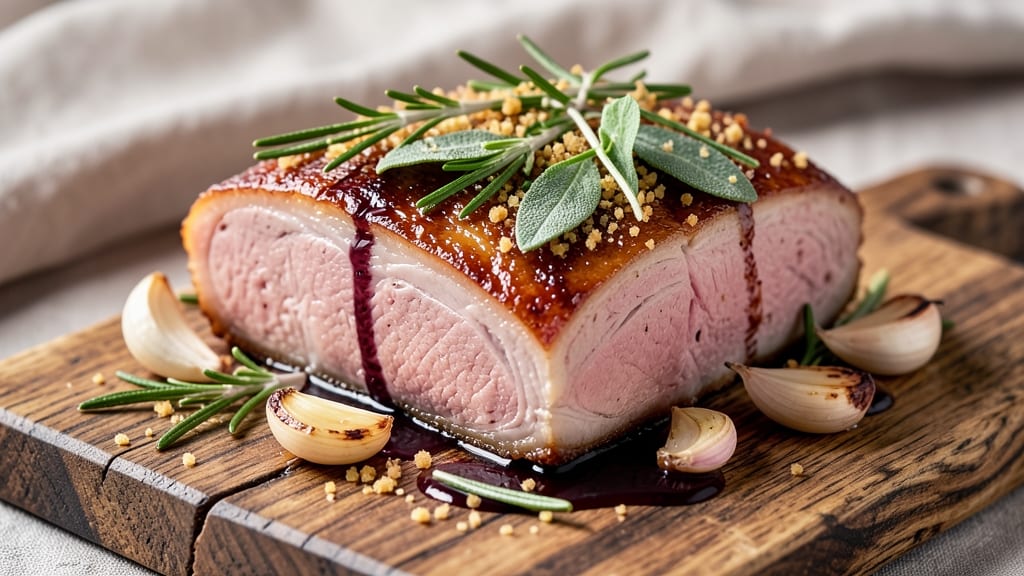
Mastering a juicy 2-pound pork loin roast with herb-crusted crunch is the gateway to weekend dinner hero status. 🔥 After years of perfecting this cut for my restaurant menu, I've developed a method that guarantees tender pink centers and crispy, aromatic edges—no guesswork required.
The secret lies in precise temperature control and a carefully constructed herb crust that locks in moisture while creating that coveted crunch.
This recipe transforms a simple pork loin into a showstopper that pairs beautifully with roasted vegetables or a honey-glazed finish. We're talking golden-brown crust, tender yet slightly pink meat (because perfectly cooked pork should still have life), and a flavor profile that balances fresh herbs with savory depth.
The process is straightforward but demands attention to detail—especially when it comes to internal temperatures and resting times.
What you'll achieve is a roast that slices effortlessly, revealing juicy, melt-in-your-mouth meat with every cut. The herb crust adds both texture and aroma, making this dish perfect for family gatherings or impressing guests without spending hours in the kitchen.
With just a few key techniques, you'll elevate a basic roast into something restaurant-worthy.
Let's begin with the preparation—where proper seasoning and timing set the foundation for success. The difference between dry, overcooked pork and this perfectly juicy roast comes down to these early steps. Trust me, your taste buds will thank you.
Ingredients for 2 pound pork loin roast
The perfect 2-pound pork loin roast starts with these 12 quality ingredients for juicy pink centers and crispy herb crust.
| Ingredient | Amount | Notes |
|---|---|---|
| Bone-In Pork Loin Roast 🐖 | 2 lb | Center-cut, 1-inch thick |
| Fresh Rosemary 🌿 | ¼ cup | Finely chopped, stems removed |
| Fresh Thyme 🌿 | 0.15 cup | Leaves only, finely chopped |
| Fresh Sage 🌿 | 0.1 cup | Leaves only, finely chopped |
| Garlic Cloves 🧄 | 6 cloves | Minced, for crust |
| Panko Breadcrumbs 🍞 | ½ cup | For extra crunch |
| Extra-Virgin Olive Oil 🫒 | ¼ cup | High-quality, fruity |
| Kosher Salt 🧂 | 2 tbsp | Diamond Crystal preferred |
| Freshly Ground Black Pepper 🌶️ | 1 tbsp | Cracked peppercorns |
| Unsalted Butter 🧈 | ¼ cup | Cold, cubed |
| Honey 🍯 | 2 tbsp | For optional glaze |
| Fresh Parsley 🌿 | 0.1 cup | Chopped, for garnish |
The pork loin is non-negotiable here—bone-in, center-cut is key for even cooking and moisture. Butcher shops often have better cuts than grocery stores, but Costco's pre-trimmed loin works perfectly for home cooks. Look for good marbling and vibrant color—pale or grayish meat is a red flag. Fresh herbs make all the difference: Trader Joe's sells pre-chopped herb bundles that save time, but whole sprigs let you customize the mix. For the crust, Panko gives that perfect crunch—don't substitute regular breadcrumbs, trust me on this.
No fresh rosemary? Dried works at half the amount, but the flavor won't be as vibrant. Short on thyme? Oregano at one-third the quantity gets you close. The olive oil matters—California Avocado Ranch or Colavita brands deliver that fruity depth. For the honey glaze, local raw honey adds subtle floral notes, but any good-quality honey works. Need a shortcut? Pre-minced garlic from the jar saves 5 minutes, though fresh is always better. The butter should be cold and cubed—microwave it 20 seconds if it's too firm for easy handling.
Herbs keep best in the fridge wrapped in damp paper towels for 5-7 days. The pork roast should rest at room temperature for 30 minutes before cooking—this ensures even doneness. Store leftovers in the fridge for 3-4 days or freeze for 3 months. I always make extra because reheated slices taste even better. For serving, garnish with fresh parsley right before cutting—it adds that restaurant-quality finish.
Why You'll Love This Recipe
- Minimal Prep, Maximum Payoff: I swear by this—just a bone-in roast, a handful of herbs, and a few garlic cloves. No peeling, no dicing, no fuss. The bone stays in, the herbs get tucked under the skin, and you’re done in 10 minutes flat.
- Herb-Crusted Magic: That rosemary, thyme, and sage? They don’t just flavor—they caramelize into a fragrant crust while the pork stays juicy inside. Honestly, the smell alone makes my kitchen feel like a bistro.
- Leftovers That Win: Slice it thin for sandwiches the next day, or shred it into pasta sauce. Between us, the second day is often better—crispy edges, tender meat, and zero waste. My freezer’s always stocked with this.
- Budget-Friendly Feast: A 2-pound roast stretches for a family dinner, and the herbs cost pennies at the farmers’ market. I’ll be real: it’s the kind of meal that makes grocery day feel like a victory. Plus, the bone? Broth gold.
Step-by-step instructions for herb-crusted pork loin roast
Here's how to achieve that perfect balance of juicy pink centers and crispy herb-crusted exterior.
👨🍳 Step 1: Prep the Pork and Herb Crust
Start by removing the pork loin roast from the refrigerator and patting it completely dry with paper towels—this is crucial for that crisp crust. Place it on a cutting board and make small slashes about ½ inch deep all over the surface (not too deep or it'll fall apart). This helps the crust adhere and renders fat for extra flavor.
In a bowl, combine the 0.25 cup fresh rosemary, 0.15 cup fresh thyme, 0.1 cup fresh sage, and 6 minced garlic cloves. Pulse in a food processor until finely chopped—this ensures even distribution of flavor. Add the 0.5 cup panko breadcrumbs and pulse just until combined. Transfer this mixture to a small plate.
🍳 Step 2: Create the Herb Butter Crust
In a separate bowl, mix the 0.25 cup extra-virgin olive oil, 0.25 cup cold unsalted butter, 2 tbsp kosher salt, and 1 tbsp freshly ground black pepper until the butter is fully emulsified. This creates a rich, flavorful base for your crust.
Spread half of the herb mixture evenly over the entire surface of the pork loin, pressing gently to help it adhere. Then, pour the herb butter mixture evenly over the top, making sure it coats the entire surface. This layer will create that beautiful golden crust while keeping the inside juicy.
🔥 Step 3: Sear the Roast for Maximum Flavor
Heat your oven to 400°F. Place a wire rack in a roasting pan and position the pork loin on top (the rack allows air circulation for even browning). Place the roasting pan on the middle rack of your oven.
Before roasting, sear the pork for 5 minutes per side in a cold skillet over medium heat. This step develops deep flavor through the Maillard reaction. You'll know it's ready when the crust is deeply golden brown and the internal temperature reaches 140°F (use a meat thermometer).
⏰ Step 4: Roast to Juicy Perfection
Return the seared pork to the oven and roast for 20-25 minutes until the internal temperature reaches 145°F. The key here is patience—roasting too fast will dry out the meat. You want that perfect medium-rare finish with juicy pink centers.
For an optional glaze, brush the top with 2 tbsp honey during the last 5 minutes of cooking. This adds a beautiful caramelized finish and subtle sweetness that complements the herby crust. Watch closely as honey burns quickly!
🍽️ Step 5: Rest and Serve
Remove the pork from the oven and transfer it to a cutting board. Tent loosely with foil and let it rest for at least 15 minutes before slicing. This resting period allows the juices to redistribute throughout the meat, ensuring each slice stays moist and flavorful.
Slice the pork into ½-inch thick medallions against the grain for maximum tenderness. Garnish with 0.1 cup chopped fresh parsley and serve immediately with your favorite sides. The contrast of crispy herb crust with juicy pink centers makes every bite unforgettable!
Pro Tips For Making 2 Pound Pork Loin Roast
- USE A MEAT THERMOMETER: I learned this the hard way—pork loin is forgiving, but bone-in cuts can trick your eye. Aim for 145°F internal temp (155°F if you prefer it extra-safe), and pull it before it hits 150°F. The carryover heat will push it to perfect medium-rare without drying it out.
- TRIM THE FAT, NOT THE FLAVOR: That thin layer of fat on a bone-in loin? Don’t cut it all off—just trim the excess. The rest renders down into crispy, golden edges while roasting, adding depth. If you’re worried about calories, leave a ¼-inch border of fat around the edges.
- SALT THE DAY BEFORE: Fresh pork loin needs time to absorb salt for maximum tenderness. Sprinkle 1 tsp kosher salt per pound (so ~2 tsp total) and let it sit uncovered in the fridge overnight. Sounds weird, but it works—your roast will stay juicier and develop a better crust.
- STEAM THE HERBS FIRST: Instead of stuffing whole sprigs of rosemary, thyme, and sage into the roast (where they’ll just burn), blanch them in boiling water for 30 seconds, then pat dry. This softens the fibers so their flavors infuse the meat instead of turning bitter. Tuck them under the roast with minced garlic for even distribution.
Troubleshooting perfect results
Dry, Overcooked Pork
If your pork loin comes out dry, it’s almost always due to overcooking or skipping the rest. I’ve seen this happen when home cooks rely on guesswork instead of a meat thermometer.
The 145°F internal temperature is your target for juicy pink centers—any higher and the meat will dry out. Also, never skip the 15-minute rest before slicing; this lets juices redistribute.
Pro tip: If you’re worried about drying, reduce your oven temp to 375°F and roast for 30-35 minutes instead of rushing at 400°F. 💡
Uneven Cooking
Uneven doneness usually means the roast wasn’t placed on a wire rack in the pan, trapping steam and creating a soggy crust. The rack allows air circulation for even browning. Another culprit? Thick or thin sections—stick to a 1-inch thick center-cut loin for consistency.
If your roast has uneven thickness, trim it slightly before seasoning. For extra insurance, sear all sides in the skillet before roasting to build a flavor barrier. ⚡
Crust Not Crispy
A soft crust often means the pork wasn’t dry enough before seasoning or the butter wasn’t cold enough to create a proper seal. Pat the roast thoroughly dry with paper towels, and make sure your cold cubed butter is firm—microwave it briefly if it’s too soft.
Another trick? Spritz the roast with olive oil after searing to help the crust crisp up in the oven. And don’t skip the panko breadcrumbs—they’re the secret to that perfect crunch. 🍞
Pale, Bland Flavor
If your pork tastes bland, it’s likely underseasoned or didn’t develop enough Maillard reaction flavor. Always use fresh herbs (dried won’t cut it) and minced garlic for maximum impact. For deeper flavor, sear the roast in a cold skillet over medium heat until deeply golden—this builds layers of caramelization.
A quick fix? Add a pinch of smoked paprika to the herb crust for a subtle smoky depth. 🌿
Honey Glaze Burns
Honey burns faster than you think, especially when exposed to high heat. Brush it on only in the last 5 minutes of cooking, and use a light hand—just enough to coat the surface. Keep the oven door slightly ajar to help the glaze set without scorching.
If it starts to darken too quickly, pull the roast out and finish under the broiler for 1-2 minutes on high. 🍯
Slicing Issues
If your pork tears when slicing, the cuts were too deep during prep or the meat wasn’t rested properly. Make shallow slashes (½ inch deep) when scoring the surface—deeper cuts weaken the structure. Always slice against the grain for maximum tenderness.
For extra control, use a sharp chef’s knife and angle the blade slightly to guide the cut. A 15-minute rest is non-negotiable—this ensures clean slices every time. 🔪
Nutrition facts
Frequently asked questions about pork loin roast
Can I cook a 2-pound pork loin at a lower temperature for more even cooking?
For a more gentle cook, reduce your oven to 375°F and roast for 30-35 minutes until the internal temperature reaches 145°F. This slower approach prevents drying while still delivering that perfect medium-rare finish. The crust may be slightly less crisp, but the meat will be juicier throughout.
How do I know when the pork is fully cooked without overcooking it?
Use a meat thermometer to check the internal temperature—145°F is your target for juicy pink centers. Insert the probe into the thickest part of the roast, avoiding bone or fat. The thermometer should read 145°F before removing it from the oven. Never rely on color alone!
What sides pair best with herb-crusted pork loin?
Roasted root vegetables like carrots and parsnips, creamy mashed potatoes, or a crisp green salad with balsamic vinaigrette all complement this dish beautifully. For a Southern touch, serve with apple sauce or roasted Brussels sprouts. The herby crust works especially well with earthy, slightly sweet vegetables.
Can I make this recipe ahead of time?
Yes! Prepare the herb crust mixture and store it in the fridge for up to 2 days before assembling. For the full roast, cook it as directed, then refrigerate leftovers for 3-4 days or freeze for 3 months. Reheat slices in a skillet over medium heat for 2-3 minutes per side to restore crispiness.
What if I don't have fresh herbs?
Use dried herbs at half the amount (e.g., 1/4 tsp dried rosemary instead of 1/4 cup fresh), but the flavor won't be as vibrant. For a shortcut, pre-chopped herb blends from the store work in a pinch. If you're missing one herb, substitute with another in the same family—oregano for thyme or basil for sage.