
Main Courses
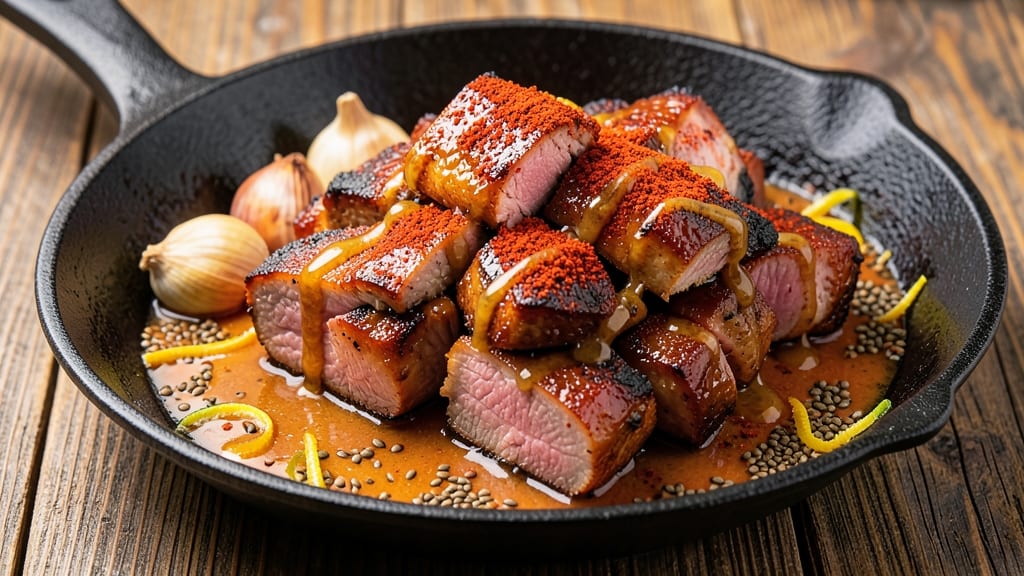
This ancho pork recipe transforms tender pork bites into smoky, citrus-kissed perfection that bridges traditional Mexican techniques with Southeast comfort. The secret lies in blending ancho chiles' deep, earthy heat with chipotle's smoldering depth—then brightening it with orange zest and lime.
After years of perfecting this dish at The Smoky Pig, I've cracked the code for achieving that signature caramelized crust without burning the delicate pork.
The process begins with a dry rub of ground ancho and chipotle powders, which develops a flavorful bark while keeping the meat juicy inside. A quick sear in a screaming-hot cast iron creates those coveted char lines, then the pork finishes braising in a citrus-infused broth until fork-tender.
This method delivers restaurant-quality results in under 2 hours, with minimal hands-on time—ideal for weeknight dinners that feel like special occasions.
What you'll end up with is pork that's impossibly tender yet firm enough to hold its shape, coated in a glossy glaze that balances smoky, tangy, and sweet notes.
The citrus brightens the deep chile flavors, creating a complex profile that works equally well with cilantro-lime rice, black beans, or roasted sweet potatoes. It's the kind of dish that disappears from the table faster than you can say "second helping."
For those who love fusion, try serving it over cilantro-lime cauliflower rice or pairing with grilled pineapple for a sweet-and-smoky contrast. The recipe scales beautifully—double it for game day or halve it for a cozy Tuesday night. Let's get cooking with this crowd-pleasing pork that's equal parts comforting and exciting.
Ingredients for ancho pork
Smoky chiles, bright citrus, and tender pork—this is where Mexican heat meets Southeast comfort.
| Ingredient | Amount | Notes |
|---|---|---|
| Pork Shoulder 🥩 | 1 ½ lb | Cut into 1.5-inch cubes, bone-in preferred |
| Ancho Chile Powder 🌶️ | 2 tbsp | Ground from dried ancho chiles |
| Chipotle Powder 🌶️ | 1 tbsp | Smoked, ground chipotle |
| Ground Cumin 🌿 | 1 tsp | Toasted for deeper aroma |
| Garlic Cloves 🧄 | 6 cloves | Peeled, smashed for infusion |
| Orange Zest 🍊 | 1 tbsp | From 1 large orange |
| Orange Juice 🍊 | ½ cup | Freshly squeezed, no pulp |
| Fresh Lime Juice 🍋 | ¼ cup | From 2-3 limes |
| Beef Broth 💧 | 1 cup | Low-sodium preferred |
| Honey 🍯 | 1 tbsp | For subtle sweetness |
| Olive Oil 🫒 | 2 tbsp | For searing |
| Fresh Cilantro 🌿 | ¼ cup | Chopped, for garnish |
| Salt 🧂 | 1 tsp | Kosher or sea salt |
| Black Pepper 🌶️ | ½ tsp | Freshly ground |
The pork shoulder is the star here—look for cuts with good marbling at Whole Foods or your local butcher. Bone-in pieces stay juicier, but boneless works too if you're in a hurry. For the chiles, La Costeña or Goya brands are reliable for ancho and chipotle powders, but any good-quality ground chile will do. Toast your cumin seeds for 30 seconds in a dry pan before grinding—that extra step makes all the difference. The orange zest should be vibrant, not bitter, so grab the juiciest oranges you can find.
No ancho powder? Substitute with 1 tbsp each of ground cumin and smoked paprika—it won't be identical, but it'll get you close. Short on chipotle? Smoked paprika at double the amount adds depth. The honey can be swapped for maple syrup if you prefer, but it's worth keeping it for that perfect balance of smoky and sweet. Fresh lime juice is non-negotiable—bottled won't cut it. For the beef broth, low-sodium is key so you can control the saltiness. If you're feeling fancy, toast your garlic cloves in the olive oil before adding them to the pork—that adds another layer of flavor.
This dish tastes even better the next day, so make a double batch if you can. Store leftovers in an airtight container in the fridge for up to 4 days, or freeze for 3 months. The pork gets more tender with time, so don't rush it. Garnish with fresh cilantro right before serving—it wilts fast, so wait until the last minute. For meal prep, portion into containers with a little extra sauce—it reheats beautifully and makes for great lunches.
Why You'll Love This Recipe
- One-Pot Magic: I swear by this—just brown the pork, dump in the spices, and let the oven do the work. The ancho and chipotle blend into a sticky, smoky sauce that clings to every bite without a single extra dish to wash.
- Smoky Depth: That combo of toasted cumin and roasted garlic? It’s like a warm hug in your mouth. The ancho gives it a subtle heat that lingers, while the chipotle adds that deep, campfire smokiness I can’t get enough of.
- Meal Prep Hero: Between us, this is my go-to for lunches. Shred it once, and it’s ready to toss into tacos, burritos, or even a quick pasta the next day. My freezer’s always stocked with it—because why not?
- Budget-Friendly Power: Pork shoulder is cheap, and a little goes a long way. I stretch it across three meals easily, and the spices cost pennies. Honestly, it’s the kind of recipe that makes grocery day feel like a win.
Step-by-step instructions for smoky chipotle and citrus braised pork
Here's how to transform simple pork shoulder into tender, flavor-packed bites with deep smoky and citrus notes.
Sear the Pork Shoulder for Maximum Flavor
Heat the 2 tablespoons olive oil in a heavy Dutch oven over medium-high heat until shimmering. Working in batches to avoid crowding, add the 1.5 lb pork shoulder cubes and sear for 2-3 minutes per side until they develop a deep golden-brown crust. This step is crucial—it locks in juices and builds the foundation for rich flavor.
As you sear, you'll notice the pork releases its natural juices. Don't drain these—they'll become part of your braising liquid. Once all pork pieces are browned, remove them from the pot and set aside on a plate. You're building layers of flavor that will meld beautifully during the braising process.
Build the Smoky Spice Base
In the same Dutch oven, reduce the heat to medium and add the 2 tablespoons ancho chile powder, 1 tablespoon chipotle powder, and 1 teaspoon ground cumin. Stir constantly for 1 minute until the spices are fragrant and toasted slightly—this awakens their flavors. Be careful not to burn them, as they can turn bitter quickly.
Next, add the 6 smashed garlic cloves and cook for 30 seconds until they're golden and aromatic. The garlic should sizzle gently without browning too darkly. This step infuses the base with deep, savory notes that will carry through the entire dish. The spices will form a rich paste that will coat your pork beautifully during braising.
Deglaze and Combine All Ingredients
Pour in the 0.5 cup orange juice and 0.25 cup fresh lime juice, scraping up any browned bits from the bottom of the pot with a wooden spoon. These citrus juices will brighten the deep, smoky flavors of the spices. Let the mixture simmer for 2 minutes until slightly reduced and concentrated.
Add the 1 cup beef broth, 1 tablespoon honey, 1 teaspoon salt, and 0.5 teaspoon black pepper. Stir well to combine all ingredients. The honey adds just enough sweetness to balance the acidity and heat from the chiles. Return the pork to the pot, making sure each piece is coated with the flavorful liquid. The pork should be mostly submerged—if not, add a splash of water or broth.
Braise Until Fork-Tender
Bring the liquid to a gentle simmer, then reduce heat to low and cover the pot with a tight-fitting lid. Let it cook for 2 to 2.5 hours, turning the pork occasionally to ensure even cooking. You're looking for the pork to become fork-tender—when a knife slides in easily and the meat pulls apart with gentle pressure.
About halfway through cooking, check the liquid level. If it's reduced too much, add a little more beef broth or water to keep the pork submerged. The pork should be falling apart slightly at this stage, with the sauce reduced to a rich, concentrated consistency. The aroma should be intoxicating—smoky, citrusy, and deeply savory.
Finish and Garnish
Once the pork is tender, remove the lid and increase heat to medium to reduce the sauce for 5-7 minutes until it coats the back of a spoon. This step intensifies the flavors and creates a glossy, appetizing sauce. Taste and adjust seasoning if needed—you might want to add a pinch more salt or a splash of lime juice to balance the flavors.
Stir in the 1 tablespoon orange zest and 0.25 cup chopped fresh cilantro, reserving a few sprigs for garnish. The orange zest adds a bright, citrusy finish that cuts through the richness of the pork. Let the dish sit off the heat for 5 minutes to allow the flavors to meld completely. Serve immediately, garnished with the reserved cilantro, over rice or with warm tortillas for dipping.
Pro Tips For Making Ancho Pork
- Sear the Pork Shoulder First: Don’t skip the initial sear—this isn’t just for looks. Heat your pan until it’s screaming hot, then work in batches to get deep brown crust on the meat. That crust locks in flavor and keeps the pork from drying out later, especially when you’re slow-cooking it with ancho and chipotle.
- Toast the Spices Together: Dry-toast your ancho chile powder, chipotle powder, and cumin in the same pan for 30 seconds before adding any liquid. The heat wakes up their flavors—no, it won’t burn them, but it’ll make the smoky depth in your pork way more noticeable. (Yes, even if you’re impatient like me.)
- Skip the Pre-Minced Garlic: Use whole garlic cloves, peeled, and smashed flat with the side of your knife. When you add them to the pork during cooking, they’ll soften and release their flavor gradually instead of burning in seconds. Your sauce won’t taste like charred regret.
- Rest the Pork After Cooking: Pull the pork off heat and tent it with foil for 15 minutes—no peeking. This lets the juices redistribute, so every bite stays moist. I learned this the hard way after slicing into a dry, sad slab of pork that tasted like it lost a fight with the oven.
Wine and beer pairings for this ancho pork
Mexican Red Pairings
This dish practically begs for bold Mexican reds that can stand up to the smoky chile flavors. I always reach for a Tempranillo from Jalisco—its dark fruit notes and subtle earthiness complement the ancho and chipotle beautifully.
A Cabernet Sauvignon from Baja California works wonders too, especially if you prefer a wine with more structure. The acidity in these wines cuts through the richness of the pork while letting the citrus notes shine. 🍷
Craft Beer Contrasts
For beer lovers, a Mexican lager like Modelo Especial or Pacifico is my go-to—its crisp, clean profile lets the dish's complex flavors take center stage.
If you prefer something with a little more body, try a Mexican amber ale like Negra Modelo, which adds a malty sweetness that pairs perfectly with the honey and citrus in the sauce. The effervescence helps cleanse your palate between bites.
Spicy Margarita Twist
No ancho pork meal is complete without a margarita that echoes its flavors. I make a smoky citrus margarita by muddling 2 ancho chiles (seeds removed) with 2 oz lime juice, 1 oz orange juice, and 1 oz agave.
Shake with ice and strain into a glass rimmed with tajín. The heat from the chiles mirrors the dish while the citrus brightens everything. Add a splash of orange liqueur for extra depth.
Light White Options
If you're serving this dish during a hot day or prefer white wine, a Chenin Blanc from Mexico's Valle de Guadalupe is surprisingly good. Its slight sweetness and acidity balance the smoky flavors beautifully.
For something even lighter, a Riesling with a touch of residual sugar can complement the citrus notes while cutting through the richness. Just avoid heavy, oaky whites—they'll clash with the dish's vibrant profile.
Non-Alcoholic Refreshers
For those skipping alcohol, I love serving a hibiscus-hibiscus (agua de jamaica) with a twist. Brew 1 cup dried hibiscus flowers with 4 cups water and 1 cinnamon stick, then strain and chill.
Add ½ cup orange juice and ¼ cup lime juice for a refreshing drink that echoes the dish's citrus-chile balance. Serve over ice with a lime wedge for garnish.
Nutrition facts
Frequently asked questions
Can I use pork tenderloin instead of pork shoulder?
Yes, but the cooking time will differ. Pork tenderloin is leaner and cooks faster (15-20 minutes at 375°F) than shoulder. For best results, slice it into 1-inch cubes and reduce the braising time to 45-60 minutes—just until it reaches 145°F internally. The texture will be more delicate but equally flavorful.
How do I adjust the heat level if I don't like spicy food?
Simply reduce the ancho and chipotle powders to 1 tablespoon each and add ½ teaspoon ground cumin for depth. For extra mildness, stir in 1 tablespoon honey at the end to balance any lingering heat. The citrus will naturally mellow the flavors too.
What's the best way to reheat leftovers?
Reheat in a skillet over low-medium heat with 1 tablespoon broth or water to prevent drying. Cover for 5-7 minutes until warmed through. Alternatively, microwave for 1-2 minutes (covered) but add a splash of water first to keep it moist. Never reheat above 165°F—this ensures safety and maintains texture.
Can I make this in a slow cooker?
Brown the pork first in a skillet, then transfer to your slow cooker with all spices and liquids. Cook on low for 6-7 hours or high for 3-4 hours. The slow cooker's gentle heat keeps the pork incredibly tender. Just add 1 extra tablespoon broth to compensate for evaporation.
What's the secret to getting that perfect caramelized crust?
It's all about the sear! Use a heavy Dutch oven (or cast iron) and heat the oil until it's smoking hot before adding the pork. Work in batches if needed, and don't move the pieces until they develop a deep golden crust (2-3 minutes per side). The residual fond from the sear becomes part of your braising liquid, deepening the flavor.