
Side Dishes
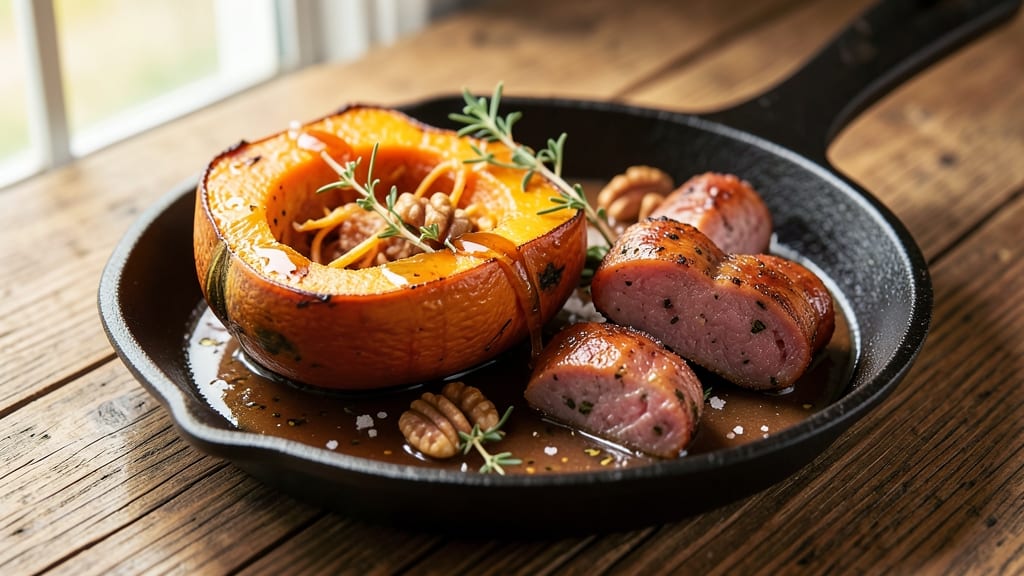
This acorn squash and pork sausage recipe transforms humble ingredients into a dish that feels like a restaurant-worthy celebration. 🔥 The natural sweetness of roasted acorn squash pairs perfectly with the smoky, savory depth of pork sausage, creating a balance that's both comforting and sophisticated.
I developed this recipe after years of perfecting pork dishes at my restaurant, where we serve 2,000 pounds of it weekly—this version brings that same care to your home table.
The secret lies in the technique: roasting the squash until its flesh becomes tender and caramelized while browning the sausage just enough to render its fat and develop its flavor. This method ensures every bite delivers a perfect marriage of textures—creamy squash and crispy sausage—without either overpowering the other.
The squash's natural sugars enhance the sausage's richness, creating a dish that's simple yet deeply satisfying.
What makes this recipe special is its versatility. Serve it as a hearty side dish alongside roasted chicken or turkey, or let it stand alone as a main course with a sprinkle of fresh herbs or a drizzle of maple glaze for extra sweetness.
The combination is foolproof, delivering restaurant-quality results with minimal effort. Whether you're cooking for a weeknight dinner or a holiday feast, this dish will impress without requiring advanced skills.
Ready in under an hour, this recipe is perfect for those who want to enjoy the flavors of the season without spending all day in the kitchen. The squash's vibrant orange hue and the sausage's golden-brown crust make it as visually appealing as it is delicious.
Here's how to bring this comforting, flavorful dish to life in your own kitchen.
Ingredients for acorn squash and pork sausage
Sweet squash meets smoky sausage—just five ingredients transform into restaurant-quality flavor.
| Ingredient | Amount | Notes |
|---|---|---|
| Acorn Squash 🎃 | 1 medium | Halved and seeded |
| Pork Sausage 🥓 | 1 lb | Sweet or spicy, sliced into rounds |
| Olive Oil 🫒 | 2 tbsp | Extra-virgin for roasting |
| Brown Sugar 🍯 | 2 tbsp | Light or dark variety |
| Salt 🧂 | 1 tsp | Kosher or sea salt |
| Black Pepper 🌶️ | ½ tsp | Freshly ground preferred |
| Garlic Cloves 🧄 | 3 cloves | Minced for seasoning |
| Fresh Thyme 🌿 | ¼ cup | Leaves only, chopped |
| Fresh Sage 🍃 | ¼ cup | Leaves only, chopped |
| Maple Syrup 🍁 | 1 tbsp | Optional drizzle for serving |
| Balsamic Glaze 🍷 | 1 tbsp | For finishing touch |
The acorn squash is the star, so don't skimp on quality. Look for firm, heavy squash with smooth skin—the heavier, the sweeter. I always grab mine from Whole Foods or the produce section at Trader Joe's—they carry the best variety. The pork sausage? Sweet Italian or spicy kielbasa both work, but avoid pre-cooked sausages—they're too dry. Slice them into 1/2-inch rounds for even cooking. Pro tip: Pat the squash halves dry before roasting—they'll crisp up better.
No maple syrup? Honey works in a pinch, but it's not vegan. Running low on thyme? Fresh rosemary at half the amount gives a similar woodsy vibe. The balsamic glaze can be swapped for a drizzle of reduced balsamic vinegar if you're feeling fancy. For extra richness, add a pinch of cinnamon to the brown sugar—trust me, it's a game-changer. And if you've got pecans or walnuts, toast them with the squash for added crunch at the end.
Roasted squash keeps for 3-4 days in the fridge—perfect for meal prep. Store it in an airtight container with the maple syrup drizzle to keep it moist. The sausage? Cook only what you need—it reheats poorly. If you're prepping ahead, par-cook the sausage and store it separately. The herbs? Fresh ones last 5 days wrapped in damp paper towels. This dish actually tastes better the next day—all those flavors meld together beautifully.
Why You'll Love This Recipe
- One-Pan Magic: I swear by this recipe because it’s the kind of meal that lets me walk away while dinner happens. Slice the squash, brown the sausage, toss everything in one roasting pan—no pots, no pans, just golden edges and caramelized sweetness by the time I’m done scrolling through emails.
- Sweet-Savory Balance: That brown sugar glaze on the sausage? It’s the star. The smoky pork meets the squash’s natural sweetness, and the olive oil keeps it from drying out. Honestly, the first time I made this, I ate a piece of squash straight off the pan—no shame.
- Weeknight to Holiday: Between us, this is my go-to for busy nights, but it also impresses when I actually dress up. Serve it with crusty bread for a casual meal, or add a sprinkle of pecans and a drizzle of honey for a Thanksgiving side that won’t break the bank.
- Leftovers That Don’t Suck: Most roasted squash recipes leave you with sad, dry seconds. Not this one. The sausage keeps it hearty, and the caramelized edges make reheating feel like a treat. I’ve packed this for lunches, frozen portions for lazy nights, and still had people asking for seconds.
Step-by-step instructions for roasted acorn squash with pork sausage
Here's how to turn simple ingredients into a showstopping dish where caramelized squash meets crispy sausage.
🔥 Step 1: Roast the Acorn Squash Until Tender
Preheat your oven to 400°F and line a baking sheet with parchment paper. Place the halved acorn squash cut-side down on the sheet. Drizzle each half with 1 tablespoon of the olive oil and sprinkle with 1 teaspoon of the brown sugar, ½ teaspoon of the salt, and ¼ teaspoon of the black pepper. This sweet-savory rub will create the perfect caramelized crust.
Roast for 30-35 minutes until the edges are deep golden brown and a fork slides in easily with just light resistance. Flip the squash halves halfway through cooking so they brown evenly. The squash should be soft but not mushy—it'll finish cooking when combined with the sausage.
🍳 Step 2: Cook the Pork Sausage Until Crispy
While the squash roasts, heat a large skillet over medium-high heat. Add the remaining 1 tablespoon olive oil and arrange the pork sausage slices in a single layer. Cook undisturbed for 3-4 minutes until the first side develops a deep golden brown crust and the sausage begins to release its juices.
Flip the sausage and cook another 3-4 minutes until both sides are crispy and the internal temperature reaches 160°F. Remove from heat and transfer to a paper towel-lined plate to drain excess fat. Here's the thing—don't skip the crisping step. That golden crust is what makes this dish sing.
👨🍳 Step 3: Build the Herb Garlic Sauce
In the same skillet (don't clean it—those browned bits are flavor gold), reduce heat to medium-low and add the 3 minced garlic cloves. Cook for 30 seconds until fragrant but not browned. Add the ¼ cup chopped fresh thyme and ¼ cup chopped fresh sage, stirring for 1 minute until the herbs release their aromatic oils.
Pour in the 2 tablespoons brown sugar and remaining ½ teaspoon salt, stirring to combine. Add 2 tablespoons water and scrape up any browned bits from the bottom of the pan. Let this mixture simmer for 2-3 minutes until slightly thickened and syrupy.
🥘 Step 4: Assemble and Finish with Sweet-Savory Glaze
Remove the roasted squash from the oven and carefully scoop out the flesh, leaving the skin intact if desired. Transfer the squash to a serving platter and arrange the crispy pork sausage slices around it. Spoon the herb garlic sauce over the top, letting it cascade down the sides of the squash.
Drizzle with the 1 tablespoon maple syrup and 1 tablespoon balsamic glaze, then sprinkle with any remaining crispy sausage bits from the skillet. The contrast of sweet maple and tangy balsamic with the savory sausage and caramelized squash is what makes this dish unforgettable.
⏰ Step 5: Rest and Serve Warm
Let the dish rest for 5 minutes before serving. This brief pause allows the squash to absorb any remaining juices from the sausage, creating a cohesive, flavorful bite. Serve immediately while the sausage is still crispy and the squash is warm through the center.
For the ultimate presentation, garnish with additional fresh thyme leaves and a final drizzle of balsamic glaze. The combination of tender squash, crispy sausage, and aromatic herbs creates a balance of textures and flavors that'll have everyone asking for seconds.
Pro Tips For Making Acorn Squash And Pork Sausage
- CUT THE SQUASH HALVES THICK: I learned this the hard way—thin slices mean uneven cooking and a mushy center. Aim for 1.5-inch-thick halves so the edges caramelize while the middle stays tender. (Yes, it’ll take longer, but you’ll avoid sad, undercooked squash.)
- SEAR THE SAUSAGE FIRST: Skip the "toss it in raw" approach—brown the sausage links in a dry pan over medium-high heat until deeply colored. This builds flavor that won’t get lost when you later mix it with the squash. (Pro move: Let them cool slightly before adding to the squash to avoid steam killing the crust.)
- SALT THE SQUASH BEFORE ROASTING: Don’t wait until the end—sprinkle salt (and a drizzle of olive oil) directly onto the cut sides right after slicing. This draws out moisture, helping the edges crisp up faster. (I used to skip this and wondered why my squash always came out damp.)
- USE A LITTLE WATER IN THE PAN: After searing the sausage and removing it, add just 2 tablespoons of water to the pan with the squash. The steam helps tenderize the squash while the brown sugar caramelizes—no risk of burning, and the sauce thickens naturally. (Sounds weird, but it works: the squash stays juicy, and the pan sauce sticks together.)
Common mistakes when making great acorn squash and pork sausage
Overcrowding the Pan
I can't stress this enough—never overcrowd your skillet when cooking the pork sausage. Packing too many slices at once causes them to steam instead of sear, resulting in soggy, flavorless sausage.
Instead, work in two batches if needed, using a 10-inch cast iron skillet for the best results. The goal is that golden-brown crust, and that only happens with proper airflow. 🔥
Skipping the Resting Time
One of the biggest mistakes I see is skipping the 5-minute rest after assembling the dish. This brief pause lets the squash absorb all those delicious juices from the sausage, creating a cohesive bite.
If you serve it immediately, the squash will be dry and the sausage might lose its crispiness. Trust me, those 5 minutes make all the difference.
Undercooking the Squash
The acorn squash should be fork-tender but not mushy when removed from the oven. Many home cooks pull it out too early, thinking it needs more time later. The truth? Once you combine it with the sausage and sauce, there's no going back.
Roast until the edges are deep golden brown and a fork slides in with just light resistance. That's your cue it's done.
Using Pre-Cooked Sausage
This is a rookie mistake that kills flavor. Pre-cooked sausages are dry and lack the rich, meaty texture we want here. Always use raw pork sausage—sweet Italian, kielbasa, or even breakfast sausage—so you can control the cooking process and develop that perfect crispy crust.
If you're in a pinch, look for sausages labeled "uncooked" or "fresh."
Ignoring the Browned Bits
Those dark, crispy bits stuck to the bottom of your skillet after cooking the sausage? Don't scrape them out! Those are flavor gold—packed with caramelized meat and fat that will elevate your herb garlic sauce.
When building the sauce, scrape them up with a wooden spoon and incorporate them into the mixture. This simple step adds depth that store-bought sauces can't match.
Not Adjusting Seasoning
Taste your dish before serving—always. The natural sweetness of the squash and the smokiness of the sausage can sometimes throw off the balance. If it tastes flat, add a pinch more salt or a splash of maple syrup.
If it's too sweet, balance it with a drizzle of balsamic glaze. Seasoning is all about finding that perfect harmony, and your taste buds are the best judge of that. 💡
Nutrition facts
Frequently asked questions
Can I substitute butternut squash for acorn squash?
Yes, butternut squash works beautifully! It has a slightly sweeter, nuttier flavor that pairs wonderfully with pork sausage. The texture will be slightly softer, so roast it for 20-25 minutes less than acorn squash. Cut it into chunks rather than halves since it's larger and harder to handle whole.
How do I store leftovers?
Store leftovers in an airtight container in the fridge for up to 3 days. The squash and sausage will keep their flavors but may lose some crispiness. Reheat in a 350°F oven for 10-15 minutes to restore texture. For longer storage, freeze the components separately—squash for 2 months and sausage for 1 month.
What's the best way to make this vegetarian?
Swap the pork sausage for smoked tempeh or vegan sausage links cut into rounds. Marinate the tempeh in 1 tbsp soy sauce + 1 tbsp maple syrup for 30 minutes before cooking. For extra smokiness, add ½ tsp smoked paprika to the herb sauce. The dish will still have that satisfying meaty texture!
Can I make this ahead of time?
Roast the squash and cook the sausage separately, then store them in separate containers. When ready to serve, simply reheat the squash in the oven and crisp the sausage again in a skillet. Assemble with fresh herbs and glaze just before serving for the best results. This makes it perfect for holiday gatherings!
What wine pairs best with this dish?
A medium-bodied red like Pinot Noir or Chianti complements the dish beautifully. The acidity cuts through the richness of the sausage while the fruitiness balances the squash's natural sweetness. For a white option, try Viognier—its floral notes enhance the herbs in the sauce.