
Main Courses
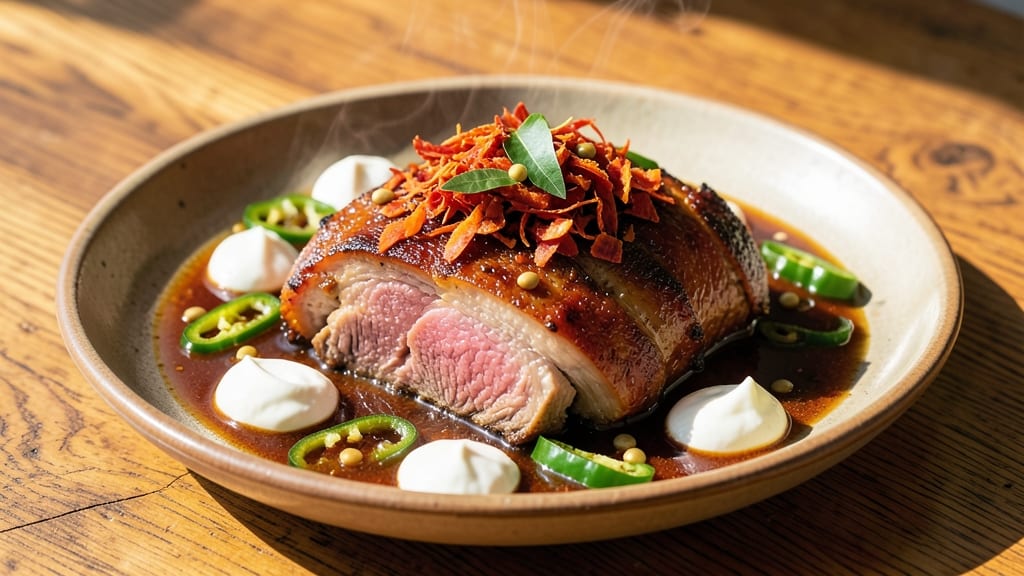
This achari pork recipe brings the bold, aromatic flavors of South Indian cuisine to your table with a perfect balance of crispy edges and tender meat. 💛 As someone who's spent years perfecting pork dishes, I can tell you the secret lies in the achari masala—a fragrant blend of dried spices that transforms simple pork into something truly special.
The slow-cooking process ensures every bite is juicy and infused with layers of flavor, while the final crispy crust adds a satisfying texture that makes this dish unforgettable.
What sets this recipe apart is its authenticity, rooted in traditional Malayali cooking techniques. The pork is marinated overnight in a blend of achari masala, yogurt, and aromatic spices like mustard seeds and curry leaves, which tenderize the meat and build deep, complex flavors.
The cooking method—whether braised or slow-grilled—ensures the meat stays moist while developing a caramelized exterior that's impossible to resist. This dish isn't just about the pork; it's about the harmony of spices, the slow dance of flavors, and the satisfaction of a meal that feels both familiar and extraordinary.
The result is a dish that's rich, aromatic, and perfectly tender—each bite offering a symphony of smoky, spicy, and slightly sweet notes. The achari masala's signature tang and heat cut through the fat, creating a balance that's both comforting and exciting.
This is the kind of meal that pairs beautifully with steamed rice, roti, or even a simple salad, making it versatile enough for any occasion while staying true to its South Indian roots.
Whether you're serving it at a family gathering or treating yourself to a special meal, this achari pork delivers restaurant-quality results with a homemade touch. The key is patience—letting the spices work their magic and the meat become tender without losing its integrity.
Trust me, once you try this, you'll understand why it's a staple in South Indian cuisine and why it deserves a place in your recipe rotation.
Ingredients for achari pork
Simple but powerful ingredients that transform ordinary pork into South Indian perfection.
| Ingredient | Amount | Notes |
|---|---|---|
| Pork Shoulder 🐖 | 2 lb | Bone-in for flavor, cut into 2-inch chunks |
| Achari Masala 🌶️ | ¼ cup | Store-bought or homemade blend |
| Plain Yogurt 🥛 | ½ cup | Full-fat for best texture |
| Mustard Seeds 🌿 | 1 tbsp | Whole seeds for authentic flavor |
| Curry Leaves 🌿 | ¼ cup | Fresh leaves, lightly crushed |
| Green Chilies 🌶️ | 3 whole | Slit lengthwise for heat control |
| Ginger 🧄 | 1 inch | Fresh, peeled and sliced |
| Tomatoes 🍅 | 2 medium | OR 1 cup diced (ripe, no mealiness) |
| Onion 🧅 | 1 medium | OR 1 cup finely chopped (yellow or red) |
| Coconut Oil 🥥 | 3 tbsp | For frying, high smoke point |
| Salt 🧂 | 1 ½ tsp | Adjust to taste |
| Turmeric Powder 🌿 | ½ tsp | Bright yellow color |
| Cumin Seeds 🌿 | 1 tsp | Toasted for depth |
| Asafoetida 🌿 | ⅛ tsp | Pinch for authentic aroma |
The pork shoulder is non-negotiable here—bone-in adds incredible flavor as it braises. Grab thick-cut pieces from the butcher section, not pre-cut cubes. For achari masala, MTR or MDH brands are reliable if you can't find homemade, but trust me, making your own (with dried red chilies, fenugreek, and tamarind) takes this to the next level. The mustard seeds should be whole—ground loses its pop. Indian grocery stores carry these in bulk, but regular supermarkets often stock them too. If you can't find curry leaves, sub with bay leaves at half the amount—close, but not the same.
Tomatoes and onions can be prepped ahead—they marinate with the pork. Roma tomatoes hold up better than beefsteak when diced. For onions, red or yellow work, but avoid sweet onions—they overpower the spices. No fresh curry leaves? Dried curry leaf powder at one-third the amount is a decent stand-in. The green chilies are where you control the heat—serrano for mild, jalapeño for medium, or habanero for fiery. And coconut oil? Don't substitute with vegetable oil—the flavor is completely different. If you must, use ghee instead.
Marinate the pork overnight for maximum tenderness—24 hours is ideal. The spices keep in the fridge for 1 month in an airtight container, but the yogurt should be used within 5 days for best texture. Leftovers reheat beautifully—slow cook on low with a splash of water to prevent drying. This dish freezes well for 3 months, but the texture changes slightly after thawing. Store in a single layer before freezing to prevent clumping.
Why You'll Love This Recipe
- One-Pot Magic: That’s right—just one pot, no fancy prep. Toss in the pork shoulder, dump in the achari masala (the spice blend that does all the work), and let the yogurt and mustard seeds sizzle into a fragrant paste. Honestly, the hardest part is waiting for it to slow-cook.
- Tangy-Spicy Bliss: Between us, that achari masala is everything—smoky, sweet, and just a hint of heat. The yogurt keeps it luscious without being heavy, while the curry leaves add that fresh, herbal punch. It’s the kind of dish that makes you reach for seconds before the plate’s even empty.
- Lunchbox Hero: Here’s what sold me—this keeps like a dream. Pack it cold for work lunches (the flavors deepen overnight), reheat it gently, and it’s still just as good. My kids even ask for it, and that’s saying something.
- Budget Stretch: Pork shoulder is cheap, and this recipe feeds four for under $15. The achari masala goes a long way, too—you’ll have leftovers for days, and they taste better the next day. (Yes, even on a Tuesday night.)
Step-by-step instructions for achari pork
Here's how to transform your pork into irresistible South Indian-style bites—crispy outside, tender inside.
🔥 Step 1: Marinate the Pork for Maximum Flavor
Cut the 2 lb pork shoulder into 2-inch chunks and place them in a large bowl. In a separate small bowl, mix together the 0.5 cup plain yogurt, 0.25 cup achari masala, 0.5 tsp turmeric powder, 1.5 tsp salt, and 0.125 tsp asafoetida. Pour this marinade over the pork and gently toss until every piece is evenly coated.
Cover the bowl and refrigerate for at least 4 hours (overnight is even better). This long marinating time ensures the achari masala's bold flavors penetrate deeply, while the yogurt keeps the meat tender. You'll notice the pork absorbs the marinade and develops a rich, reddish hue—this is your first sign of success.
🍳 Step 2: Fry the Pork Until Golden and Crispy
Heat 2 tablespoons coconut oil in a heavy-bottomed skillet over medium-high heat. Working in batches (don't overcrowd), add the marinated pork and fry for 4-5 minutes per side until the exterior turns deep golden brown and crispy. The pork should release easily from the pan—if it sticks, your oil isn't hot enough.
As the pork fries, you'll smell that irresistible achari aroma developing. Once all pieces are golden and cooked through (internal temperature should reach 160°F), transfer them to a plate and set aside. The residual heat will continue cooking the pork slightly, so don't overcook them in the pan.
🍳 Step 3: Prepare the Flavorful Curry Base
In the same skillet (no need to clean it—the browned bits add flavor), add 1 tablespoon coconut oil and swirl to coat. Add the 1 tbsp mustard seeds and let them sizzle for 30 seconds until they pop. Add the 1 tsp cumin seeds and toast for another 30 seconds until fragrant.
Add the 1 medium onion (finely chopped) and 1 inch ginger (sliced) to the pan. Sauté for 3-4 minutes until the onions turn translucent and the ginger becomes aromatic. Stir in the 3 whole green chilies (slit lengthwise) and 0.25 cup curry leaves, cooking for 1 minute until the leaves darken slightly.
🥘 Step 4: Build the Achari Sauce
Add the 2 medium tomatoes (chopped) to the pan and cook for 4-5 minutes until they soften and release their juices. Pour in 0.5 cup water and let it simmer for 3 minutes until slightly reduced. Stir in the 0.25 cup achari masala and cook for 2 minutes to toast the spices and deepen their flavors.
Return the crispy pork pieces to the skillet and gently toss to coat them in the achari sauce. Cover and simmer on low heat for 15-20 minutes, stirring occasionally, until the pork is fork-tender and the sauce has thickened slightly. The pork should absorb the flavors beautifully while maintaining its crispy exterior.
⏰ Step 5: Rest and Serve with Perfect Texture
Transfer the achari pork to a serving dish and let it rest for 5 minutes before serving. This resting period allows the juices to redistribute, ensuring each bite is moist and flavorful. The pork should be tender enough to pull apart with a fork but still hold its shape slightly.
Garnish with additional curry leaves and serve hot with steamed rice or appam for the full South Indian experience. The contrast of crispy pork against tender rice makes every bite unforgettable. Real talk: this dish gets even better the next day as the flavors meld further!
Pro Tips For Making Achari Pork
- MARINATE OVERNIGHT: Skip the rush—let the pork shoulder sit in yogurt and achari masala for at least 6 hours (or overnight). I used to think 2 hours was enough, but the flavors really penetrate the meat, especially if you’re using a thick cut. The yogurt tenderizes it too, so your final dish won’t dry out.
- TEMPER MUSTARD SEEDS: Bloom the mustard seeds in hot oil until they just pop—no need to burn them. I learned this the hard way after tasting bitter, overcooked seeds in my achari pork. Keep the heat medium-high and watch closely; curry leaves should sizzle but not curl into crisps.
- LOW AND SLOW WINS: After browning the pork, cover the pot and simmer on low heat for 1.5–2 hours. High heat turns the achari masala into a glaze too fast, leaving the meat tough. I now set my stove to the second-lowest setting and let the residual heat do the work—no stirring needed.
- STRAIN THE YOGURT: Drain the yogurt in a cheesecloth for 10 minutes before mixing it into the marinade. This removes excess liquid, so your pork absorbs the tangy, spiced goodness instead of swimming in it. (Yes, it’s an extra step, but your future self will notice the difference.)
Flavor customization for these flavors
Spice Level Control
Adjust the heat to your preference by modifying the green chilies—use serrano for a mild kick or habanero for fiery intensity. I often start with 2 green chilies for medium heat, then add ½ tsp red chili powder for extra depth.
If you're sensitive to spice, remove the seeds and membranes before slicing. 🌶️
Sweet-Tangy Balance
For a sweeter profile, add 1 tbsp jaggery or honey to the marinade while keeping the achari masala. The natural sweetness complements the tangy, spicy notes beautifully. I’ve found that ½ cup tamarind pulp (soaked in warm water) adds a citrusy depth that elevates the dish.
Smoky Charred Notes
For a smoky twist, grill the fried pork pieces for 2-3 minutes over medium-high heat before adding them to the sauce. This adds a charred aroma that pairs perfectly with the achari flavors. I use my cast iron skillet for this step—it’s my go-to for achieving that smoky crust.
Creamy Yogurt Twist
Swap the plain yogurt for ½ cup Greek yogurt in the marinade for a richer texture. The extra fat helps tenderize the meat further while adding a subtle creaminess. For a tangier kick, add 1 tbsp lemon juice to the marinade—it brightens the flavors and cuts through the richness.
Herbaceous Freshness
Finish with 2 tbsp fresh cilantro and 1 tbsp mint leaves for a refreshing contrast. These herbs add a bright, herbal note that balances the bold spices. I like to chop them finely and sprinkle them over the dish just before serving for maximum freshness.
Slow-Cooked Depth
For even more tenderness, transfer the pork to a slow cooker after frying and cook on low for 4-5 hours with the sauce. This method infuses the meat with deeper flavors while keeping it juicy. I’ve done this with great success—it’s perfect for meal prep! ⏳
Nutrition facts
Frequently asked questions
What makes this achari pork different from regular pork dishes?
This recipe uses achari masala, a signature South Indian spice blend that combines dried red chilies, fenugreek, and tamarind for a unique tangy, slightly sweet, and aromatic profile. The marinade also includes yogurt and asafoetida, which tenderize the meat while adding depth. Unlike standard pork dishes, this one delivers a perfect balance of crispy exterior and tender interior with complex layers of flavor.
Can I substitute achari masala if I can't find it?
Yes! Mix ½ tsp turmeric, ½ tsp coriander powder, ¼ tsp fenugreek seeds, ¼ tsp chili powder, and 1 tbsp tamarind pulp (soaked in 2 tbsp water) for a homemade version. For convenience, MTR or MDH brands (available at Indian grocery stores) work well. The key is the tangy, slightly sweet base—don't skip the tamarind!
How do I get the pork extra crispy without drying it out?
Fry the pork in small batches over medium-high heat until deeply golden brown (about 4-5 minutes per side). Use coconut oil for authentic flavor, and avoid overcrowding the pan. After frying, simmer the pork in the sauce on low heat to keep it moist while maintaining the crispy crust. The secret is high heat for frying, then gentle cooking to finish.
What's the best way to serve this dish?
Pair with steamed basmati rice or appam (fermented rice pancakes) for the full South Indian experience. A simple cucumber-onion salad or raita (yogurt dip) balances the richness. For a modern twist, serve with garlic naan or crusty bread to soak up the flavorful sauce. The contrast of textures makes every bite exciting!
Can I make this recipe with chicken or other meats?
This method works beautifully with chicken thighs (use 1.5 lb and reduce marinating time to 2 hours) or fish (like pompano or cod). For beef, use chuck roast and increase cooking time to 45 minutes after frying. The achari marinade adapts well, but adjust cooking times based on meat density.