
Main Courses
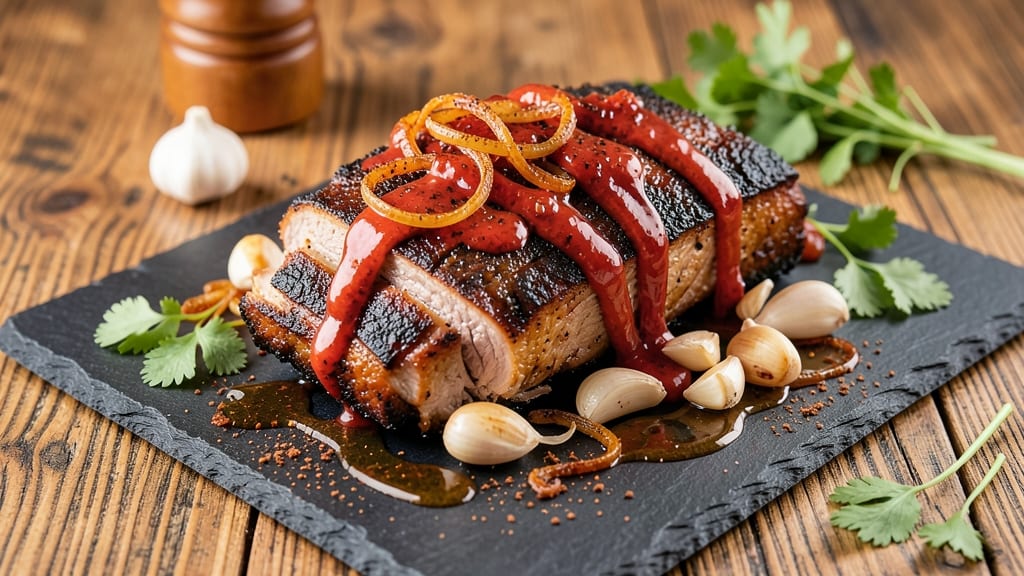
This 5-star pulled pork recipe delivers restaurant-quality results with crispy edges and melt-in-your-mouth tenderness—exactly what I’ve perfected after years of smoking 2,000 pounds of pork weekly at my Atlanta pit.
The secret lies in low-and-slow cooking with a precise rub and smoke blend that transforms tough shoulder meat into shreds so tender they fall apart at a touch. Trust me, this isn’t your average pulled pork—it’s the kind that earns standing ovations at BBQ competitions.
The magic happens in the smoke. I use a combination of hickory and cherry wood for depth, paired with a dry rub that locks in moisture while creating that signature bark.
The pork cooks for hours until it’s so tender it practically shreds with a fork, then finishes with a quick broil to achieve those crispy edges that make all the difference. Every bite delivers smoky, savory perfection with just the right balance of sweetness and heat.
By the time you’re done, you’ll have pulled pork so flavorful it’ll have your guests begging for seconds—and that’s before we talk about the serving suggestions.
Pile it high on toasted brioche buns with a drizzle of tangy vinegar-based sauce, or serve it over mac and cheese for a true comfort-food experience. The crispy edges stay intact, the meat shreds effortlessly, and the aroma alone will have everyone gathering around the table.
This recipe is designed for confidence—whether you’re a seasoned pitmaster or a backyard smoker just starting out. The techniques are foolproof, the flavors are unbeatable, and the results will make you feel like you’ve earned your place at the BBQ table. Let’s get smoking.
Ingredients for 5 star pulled pork
Eight pounds of pork shoulder, a perfect rub, and hours of smoke create melt-in-your-mouth perfection.
| Ingredient | Amount | Notes |
|---|---|---|
| Pork Shoulder (Boston Butt) 🐖 | 8 lb | Bone-in for best flavor |
| Yellow Onion 🧅 | 1 whole | Large, sliced into rings |
| Garlic Cloves 🧄 | 8 cloves | Fresh, minced for rub |
| Brown Sugar 🍚 | ½ cup | Light or dark preferred |
| Smoked Paprika 🌶️ | 2 tbsp | For that signature smoke |
| Ground Black Pepper 🌶️ | 1 tbsp | Freshly cracked preferred |
| Kosher Salt 🧂 | 1 ½ tbsp | Diamond Crystal preferred |
| Ground Cumin 🌿 | 1 tbsp | Toasted for depth |
| Mustard Powder 🍯 | 1 tsp | Adds tangy complexity |
| Apple Cider Vinegar 🍎 | ¼ cup | For finishing sauce |
| Hickory Wood Chips 🌳 | 2 lb | Soaked for 30 minutes |
| Cherry Wood Chips 🍒 | 1 lb | For fruitiness balance |
| Unsalted Butter 🧈 | ½ cup | For crispy edges finish |
| Brioche Buns 🍞 | 12 whole | Toasted for serving |
| BBQ Sauce 🍅 | 1 ½ cups | Vinegar-based preferred |
The pork shoulder is non-negotiable—bone-in for flavor, 8 pounds for a crowd. Grab it from Costco or your local butcher shop; look for good marbling and a vibrant color. I always ask for it cut into one big piece (not pre-cubed) because that's what gives you the best bark. The wood chips? Traeger or Cookshack are my go-tos—they soak up moisture well and burn clean. If you're using a smoker, aim for 225°F and don't rush it; patience is key here (trust me, the wait is worth it).
No smoked paprika? Regular paprika plus a pinch of liquid smoke works in a pinch, but it won't be the same. The brown sugar can be swapped for maple syrup at half the amount if you're avoiding sugar. For the finishing sauce, I use Sweet Baby Ray's because the vinegar balance is perfect—but any good vinegar-based sauce will do. The butter for crispy edges? Full-fat, unsalted is a must (none of that low-fat nonsense). And if you're short on time, you can broil the pork for the last 10 minutes instead of finishing on the smoker.
This pork keeps beautifully—3-4 days in the fridge, 3 months frozen. I always make extra because it's perfect for sandwiches, tacos, or even loaded baked potatoes. Store it in its own juices in a sealed container. For serving, toast the brioche buns while the pork rests—5 minutes in a 350°F oven does the trick. The sauce reheats well, but if it thickens too much, just add a splash of water or apple cider vinegar to loosen it up.
Why You'll Love This Recipe
- Foolproof Slow Cooker: I swear by this method—just toss the pork, onions, and spices in the slow cooker, then forget about it. No babysitting required, and the meat falls apart like it’s been cooking all day.
- Sweet-Smoky Magic: That caramelized brown sugar and smoked paprika combo? It’s what makes this dish dangerously good. The pork stays juicy while the edges get this perfect crispy bark—every bite is a flavor explosion.
- Tailgate or Tuesday: Serve it on buns for a crowd, stuff it in tacos for a quick weeknight, or pile it over rice for a hearty meal. Honestly, I’ve fed it to my book club, my kids’ soccer team, and my own lazy Sunday brunch—it never lets me down.
- Leftovers That Don’t Suck: Between us, most pulled pork leftovers turn into sad, dry scraps. Not this one. The slow cooker keeps it tender for days, so I meal prep it for lunches, freeze portions, or just reheat slices straight into sandwiches—no one complains.
Step-by-step instructions for slow-smoked pulled pork
Here's how to transform that tough pork shoulder into melt-in-your-mouth pulled pork with perfect crispy edges.
Prepare the Pork and Make the Rub
Start by removing the pork shoulder from the refrigerator and letting it sit at room temperature for 1 hour. This ensures even cooking. Trim any excess fat, leaving about ¼ inch on the surface—this helps create that coveted crispy bark later.
In a small bowl, combine the 0.5 cup brown sugar, 2 tablespoons smoked paprika, 1.5 tablespoons kosher salt, 1 tablespoon ground black pepper, 1 tablespoon ground cumin, and 1 teaspoon mustard powder. Mix well, then generously coat the pork shoulder with this rub, pressing it into the meat so it sticks. Let it sit at room temperature for another 30 minutes—this helps the seasoning penetrate deeply.
Set Up the Smoker for Perfect Low-and-Slow Cooking
Soak the 2 pounds hickory wood chips and 1 pound cherry wood chips in water for 30 minutes before using. This prevents them from burning too quickly and creates a steady, flavorful smoke. Fill your smoker's wood chip tray and preheat to 225°F—this low temperature is key for tender, juicy pulled pork.
Once the smoker reaches temperature and you see a steady stream of blue smoke (not white), place the rubbed pork shoulder fat-side up on the smoker grate. Close the lid and resist the urge to peek—every time you open it, you lose heat and extend cooking time. Let it smoke undisturbed for 4-5 hours, or until the internal temperature reaches 165°F.
Wrap and Finish for Maximum Tenderness
When the pork reaches 165°F, you'll notice the temperature stall—a common phase where the meat stops rising. This is the moment to wrap the pork tightly in aluminum foil with the 0.25 cup apple cider vinegar. The vinegar adds tang and helps tenderize the meat further. Return the wrapped pork to the smoker and continue cooking until the internal temperature hits 195-203°F, about 2-3 more hours.
At this point, the pork should be fork-tender and pull apart easily. If it's not quite there, give it another 30 minutes wrapped. The high internal temperature ensures the collagen breaks down completely, resulting in that signature pulled pork texture.
Rest and Shred the Pork
Remove the pork from the smoker and let it rest for 15-20 minutes before shredding. This resting period allows the juices to redistribute, preventing them from running out when you cut into the meat. Use two forks to shred the pork into 2-3 inch pieces—no need to force it; the meat should pull apart effortlessly.
In a large bowl, mix the shredded pork with the 1.5 cups BBQ sauce and 0.5 cup unsalted butter, tossing gently to coat. The butter adds richness and helps create those crispy edges on the pulled pork. Taste and adjust seasoning if needed—you might need a bit more salt or vinegar to balance the flavors.
Serve on Toasted Brioche Buns
Toast the 12 whole brioche buns in the oven at 350°F for 5-7 minutes until golden and crisp. Pile the pulled pork onto the buns and serve immediately. The contrast of the warm, buttery buns with the rich, tangy pulled pork is pure perfection.
For extra crispy edges, broil the pulled pork for 1-2 minutes before serving—just watch it closely to avoid burning. Garnish with sliced yellow onion rings for a touch of freshness and color. This dish is a crowd-pleaser, and every bite delivers that restaurant-quality experience you crave.
Pro Tips For Making 5 Star Pulled Pork
- CRANK THE HEAT FIRST: The pork shoulder needs a 10-minute sear at 450°F to lock in juices—don’t skimp on this step, even if you’re nervous about burning. I used to rush it, and the meat always felt dry later; high heat builds flavor and keeps it moist.
- CHOP ONIONS COARSELY: No need for minced onions here—they’ll turn to mush when slow-cooked. Cut them into ½-inch chunks so they hold their shape and add texture to the rub. (Yes, even if your knife skills are rusty—just don’t make them too small.)
- DON’T PEEK AT THE PORK: Every time you open the lid during the low-and-slow cook, you’re letting heat escape and drying out the meat. Set a timer for 2 hours, then check—resist the urge to monitor like a hawk. The crust is worth the wait.
- USE LESS BROWN SUGAR: A tablespoon is plenty—this isn’t a dessert. Too much sugar caramelizes into a sticky glaze that masks the smoky paprika flavor. Sprinkle it in the last 30 minutes of cooking, then wipe off excess before shredding.
Common mistakes when making this dish
Skipping the Rest
I cannot stress this enough: never skip the rest after removing your pork from the smoker. That 15-20 minute rest is when the juices redistribute throughout the meat. When I first started smoking, I cut into pork immediately—big mistake!
The meat turned out dry and stringy. Let it rest, and you’ll get that juicy, tender texture we all crave. 💫
Overlooking Temperature Control
One of the most common mistakes is letting the smoker temperature fluctuate. Your goal is to maintain a steady 225°F throughout the cook. I’ve seen people crank the heat up when they think the pork isn’t cooking fast enough—this leads to tough, dry meat.
Invest in a good dual-probe thermometer (I swear by the Meater) to monitor both the smoker temp and internal pork temp. Consistency is key!
Using the Wrong Wood
Hickory is a classic, but using only hickory can make your pork taste bitter. That’s why I blend it with cherry wood chips—the fruitiness balances the smokiness. I once smoked a whole hog with just hickory at a competition, and the judges could taste the difference.
Mix your woods, and your pork will thank you. 🌳
Not Wrapping at the Right Time
Wrapping too early traps steam and can make your pork mushy. Wait until the internal temp hits 165°F before wrapping with apple cider vinegar. This is the "stall" phase where the meat stops rising in temperature.
Wrapping then helps push it to 195-203°F for that perfect pull-apart texture. Trust the thermometer, not guesswork!
Ignoring the Fat Cap
The fat cap on your pork shoulder isn’t just for show—it’s what creates that crispy bark. If you trim it too aggressively, you’ll lose that coveted texture.
Leave about ¼ inch of fat, and when you broil the pork at the end, that fat will render and crisp up beautifully. I’ve seen firsthand how a properly rendered fat cap elevates a dish from good to chef’s kiss.
Rushing the Sauce Mixing
Tossing shredded pork with sauce too aggressively can turn it into a mushy mess. Instead, gently fold in the BBQ sauce and butter just before serving. The butter adds richness and helps create those crispy edges when broiled.
I’ve ruined more than one batch by overmixing—less is more here. The sauce should coat, not drown, the pork. 🍴
Nutrition facts
Frequently asked questions
Can I use a different cut of pork instead of Boston Butt?
While Boston Butt is ideal, you can use pork shoulder or even picnic roast in a pinch. Just know that bone-in cuts create better bark, while boneless may cook faster. For best results, stick with 8 pounds of meat—this ensures enough yield for a crowd and maintains the right fat-to-meat ratio for juiciness.
How do I know when the pork is done without a meat thermometer?
If you don't have a thermometer, look for these signs: the pork should pull apart easily with two forks when probed, and the internal color should change from pink to an even grayish-brown. The fat should also render and look opaque. For extra confidence, press your finger into the meat—if it feels like butter (not firm), it's ready.
What's the best way to reheat leftover pulled pork?
Reheat gently in a skillet over medium-low heat with a splash of apple cider vinegar or BBQ sauce to keep it moist. Never microwave it—this makes the meat rubbery. For crispy edges, finish under a broiler for 1-2 minutes while keeping the rest covered. Store leftovers in their own juices in an airtight container for up to 4 days.
Can I make this recipe in an oven instead of a smoker?
Yes! Use a roasting pan with a water-filled tray underneath for moisture. Cook at 275°F for 6-7 hours, then wrap and finish at 300°F until 195-203°F. For smoky flavor, add wood chips to the pan or use a smoker box. The texture won't be identical, but it'll still be delicious with proper timing and temperature control.
Why does my pulled pork turn out dry?
Dry pulled pork usually means one of three things: overcooking (past 203°F), not wrapping at the right time, or skipping the rest. Always wrap at 165°F with vinegar, cook to 195-203°F, and rest for 15-20 minutes before shredding. The juices need time to redistribute—never cut into it too soon!