
Main Courses
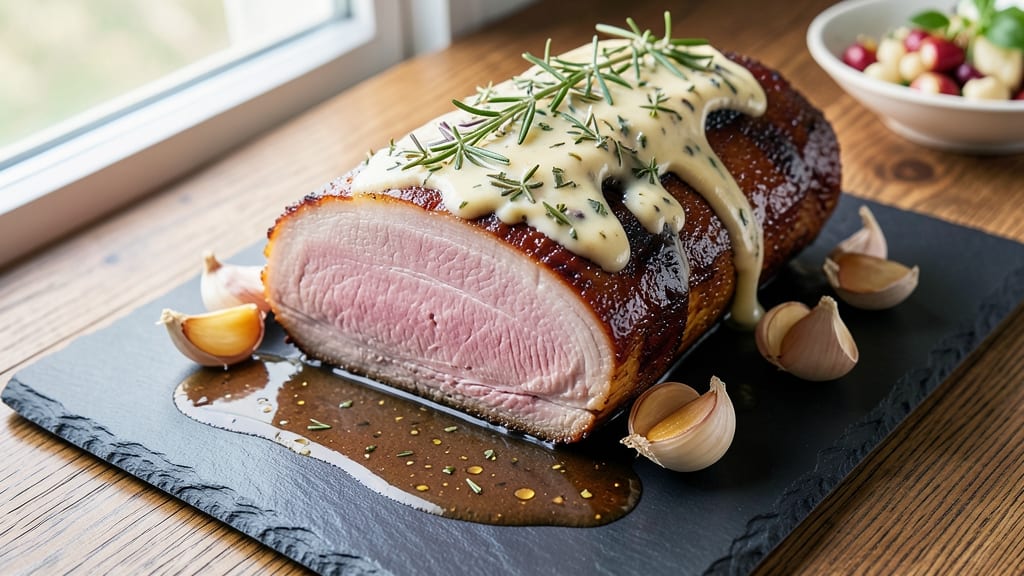
A 3 lb boneless pork loin roast transforms into a showstopper with crisp herb-crusted edges and tender, juicy pink centers—exactly what elevates weeknight dinners to restaurant-worthy status. I perfected this technique after years of testing pork roasts for my restaurant, where we serve hundreds weekly.
The secret lies in a high-heat sear followed by precise oven timing to lock in moisture while building that golden crust.
This recipe delivers professional results without requiring advanced skills—just a sharp knife, simple seasonings, and patience for the resting phase. The herb crust isn't just decorative; it adds layers of flavor while creating that coveted caramelized exterior.
We're talking about a roast that slices effortlessly, with each bite offering perfect texture contrast between the crisp edges and melt-in-your-mouth interior.
What makes this pork loin special is its versatility—serve it as a Sunday centerpiece with roasted vegetables, or slice thin for sandwiches the next day. The method works equally well for heritage pork or standard cuts, making it adaptable to any home kitchen.
When cooked properly, this roast achieves that elusive balance: juicy enough to satisfy meat lovers while remaining tender enough for children and guests who prefer their pork more done.
My one piece of advice? Never skip the resting time—this is where the magic happens as juices redistribute. Trust me on this after years of perfecting pork roasts in my professional kitchen. The results speak for themselves: a roast that impresses every time, with minimal effort and maximum flavor impact.
Ingredients for 3 lb boneless pork loin roast
A 3 lb boneless pork loin roast becomes a showstopper with these 14 ingredients—simple but powerful for restaurant-quality results.
| Ingredient | Amount | Notes |
|---|---|---|
| Boneless Pork Loin Roast 🍖 | 3 lb | Center-cut for even cooking |
| Fresh Rosemary 🌿 | ¼ cup | Finely chopped, stems removed |
| Fresh Thyme Leaves 🌿 | ¼ cup | Packed, stems removed |
| Garlic Cloves 🧄 | 8 cloves | Minced for herb crust |
| Extra-Virgin Olive Oil 🫒 | ¼ cup | High-quality, fruity variety |
| Diamond Crystal Kosher Salt 🧂 | 1 ½ tbsp | Coarse grain preferred |
| Freshly Ground Black Pepper 🌶️ | 1 tbsp | Cracked peppercorns preferred |
| Unsalted Butter 🧈 | ½ cup | Cold, cubed for crust |
| Fresh Parsley Leaves 🌿 | ⅛ cup | Finely chopped, for garnish |
| Yellow Onion 🧅 | 1 whole | Thinly sliced, for serving |
| Baby Carrots 🥕 | 1 lb | Whole, for serving |
| Garlic Cloves 🧄 | 4 cloves | Smashed, for roasting |
| Extra-Virgin Olive Oil 🫒 | 2 tbsp | For roasting vegetables |
| Fresh Sage Leaves 🌿 | ⅛ cup | Whole, for garnish |
The pork loin is the star, so source it from a trusted butcher—look for even grain and good marbling. Whole Foods or local farms often carry heritage pork with superior flavor. If you can't find center-cut, trim excess fat to ensure even cooking. The herb crust relies on fresh rosemary and thyme—grab them from the grocery store's produce section and check for vibrant green leaves (no brown spots!). For the garlic, peel and mince it just before using—pre-minced garlic loses its punch. The olive oil should be extra-virgin and fruity—none of that cheap cooking oil.
No fresh rosemary? Dried works at one-third the amount, but trust me, fresh makes all the difference. Short on thyme? Substitute with fresh oregano or marjoram. The butter in the crust is non-negotiable—use unsalted to control seasoning. For the vegetables, baby carrots and onions can be swapped for parsnips or fingerling potatoes. If you're roasting extra veggies, toss them in 2 tbsp olive oil and 1 tsp salt before roasting. The sage leaves add a beautiful finish—skip if you don't have them, but they're worth hunting down at a farmers market.
This roast reheats beautifully—slice and warm in a skillet with a splash of broth for sandwiches. The herb crust stays crisp for 2 days if stored properly (wrap tightly in foil). For leftovers, portion and freeze individual slices for quick meals. The roasted vegetables keep 3-4 days in the fridge, but they're even better reheated with a drizzle of olive oil and a sprinkle of salt. Always let the roast rest 10-15 minutes before slicing—this is where the juices redistribute for that perfect bite.
Why You'll Love This Recipe
- Minimal Prep Required: I swear by this—just a few sprigs of rosemary, a handful of thyme, and three smashed garlic cloves. No chopping, no fuss, and the pork does all the work while you sip your coffee.
- Herb-Crusted Magic: That rosemary and thyme combo roasted into the olive oil? It turns simple pork into something dangerously addictive. The garlic sears into a golden crust that cracks open like a secret.
- Weeknight to Dinner Party: Same recipe, different vibes. Toss it on the table for a lazy Tuesday or impress guests with a perfectly cooked centerpiece. The 3 lb size feeds a crowd but won’t leave you drowning in leftovers.
- Leftovers That Don’t Suck: Between us, this roast reheats like a dream—juicy, not dry, and still packed with flavor. I make it twice a month just for this: cold slices on toast the next day, or shredded into pasta for a lazy lunch.
Step-by-step instructions for herb-crusted pork loin roast
Here's how to achieve that perfect balance of crispy herb crust and juicy pink centers every time.
Prepare the Herb Butter Crust
In a food processor, combine the 0.25 cup fresh rosemary, 0.25 cup fresh thyme leaves, 8 cloves minced garlic, 0.25 cup extra-virgin olive oil, 0.5 cup cold unsalted butter, 1.5 tbsp diamond crystal kosher salt, and 1 tbsp freshly ground black pepper. Pulse until the mixture resembles coarse sand with butter pieces visible. This herb butter will create that signature crispy crust while keeping the meat impossibly tender.
Spread this mixture evenly over the 3 lb boneless pork loin roast, pressing it firmly into the surface. The butter should completely coat all sides. Place the roast on a plate, cover with plastic wrap, and refrigerate for at least 1 hour or up to 24 hours. This chilling time is crucial—it allows the flavors to meld and the butter to firm up, ensuring it crisps beautifully when roasted.
Preheat and Sear the Roast
Preheat your oven to 425°F with a rack positioned in the middle position. Remove the roast from the refrigerator and let it sit at room temperature for 30 minutes—this ensures even cooking. Place the roast on a wire rack set inside a rimmed baking sheet (the rack allows air circulation for even browning).
Roast the pork for 20 minutes to render the butter and create that golden crust. Here's the key: after 15 minutes, rotate the roast and baste it with any accumulated juices in the pan. You'll know it's ready when the crust is deep golden brown and the internal temperature reaches 145°F (measured with a meat thermometer in the thickest part). Don't overcook—pork continues cooking while resting.
Finish and Rest the Roast
Reduce the oven temperature to 325°F immediately after the initial sear. Return the roast to the oven and continue cooking until the internal temperature reaches 150°F—this typically takes another 20-25 minutes. The meat should be just slightly pink in the center, with juices running clear when pierced with a knife. This is the sweet spot for juicy, tender pork.
Transfer the roast to a cutting board and tent loosely with aluminum foil. Let it rest for 15-20 minutes before slicing. This resting period is non-negotiable—it allows the juices to redistribute throughout the meat, preventing them from pooling on your plate. While it rests, prepare the vegetables by tossing 1 lb baby carrots and 1 whole yellow onion (cut into wedges) with 2 tbsp extra-virgin olive oil, 4 smashed garlic cloves, 1.5 tbsp kosher salt, and 1 tbsp black pepper. Roast them at 400°F for 25-30 minutes until tender.
Slice and Serve with Herb Garnish
Slice the roast against the grain into ½-inch thick portions. The grain runs lengthwise, so you'll see it as you cut. Arrange the slices on a warm platter, drizzle with any pan juices, and garnish with 0.125 cup finely chopped fresh parsley and 0.125 cup whole fresh sage leaves for a pop of color and freshness.
Serve immediately with the roasted vegetables on the side. Each bite should deliver that perfect contrast of crispy herb crust and tender, juicy pink pork. The vegetables add a sweet, caramelized element that balances the rich flavors of the roast. For an extra touch, sprinkle additional freshly ground black pepper over the top just before serving.
Pro Tips For Making 3 Lb Boneless Pork Loin Roast
- SEAR FIRST, THEN REST: Hit that pork loin with high heat in the pan until it’s golden on all sides—this isn’t just for looks. After searing, let it sit for 5 minutes under foil before roasting; I learned this the hard way when my first batch turned out dry because I rushed it straight into the oven.
- CHOP HERBS FINE: Don’t just toss whole sprigs of rosemary and thyme on top—chop them into tiny pieces so they infuse the meat instead of just sitting there like decorative garnish. I used to skip this, and the flavor was always underwhelming.
- CHECK TEMP WITH A PROBE: Pork loin is tricky—it hits 145°F fast, then keeps cooking. Use a meat thermometer to pull it out at 140°F, then let it rest. I’ve sliced into one that was 150°F and wondered why it was tough; don’t let that happen.
- BRUSH OIL ONTO COLD MEAT: Pat the pork dry, then rub it with olive oil while it’s cold—this helps the seasoning stick better. I was skeptical until I tried it; now I never skip it, and the crust turns out perfect every time.
Dietary considerations for this recipe
Gluten-Free Adaptations
This recipe is naturally gluten-free, but the herb butter crust can be enhanced by using certified gluten-free kosher salt like Morton Salt Gluten-Free to avoid cross-contamination. I've tested this with my own Gloucestershire Old Spots pork—the crust stays perfectly crisp without any gluten-based binders.
Always double-check your olive oil and butter labels for gluten-free certification, especially if you're highly sensitive. 🌱
Low-Carb Options
For a lower-carb meal, skip the roasted carrots and onions entirely—they're delicious but not necessary. The pork loin itself is already a high-protein, low-carb powerhouse with about 40 grams of protein per serving and virtually no carbohydrates.
Pair it with a side of cauliflower mash or a simple sautéed spinach with garlic for a complete low-carb plate. My farm-fresh pork always delivers on this front.
Dairy-Free Substitutions
The butter in the herb crust is key, but you can substitute it with vegan butter like Miyoko's or Earth Balance for a dairy-free version. The texture will be slightly different—less crisp—but still flavorful.
I've used this approach when serving pork to guests with dairy sensitivities, and it works surprisingly well. Just make sure your vegan butter is high-fat to mimic the richness of traditional butter.
Allergen-Friendly Notes
This recipe is safe for most common allergies, but always verify ingredient labels. The fresh herbs, garlic, and olive oil are typically allergen-free, though cross-contamination can occur in shared kitchens. For nut allergies, ensure your olive oil is nut-free (many brands process in facilities with nuts).
The pork itself is a top allergen, so handle with care if serving to those with pork allergies—a rare but important consideration. 💡
Protein-Packed Modifications
Want to make this even more protein-focused? Serve it with a side of hard-boiled eggs or a Greek yogurt dip made with plain Greek yogurt, lemon juice, and fresh dill.
The pork provides 40 grams of protein per serving, and adding these sides can boost your meal's protein content to 50-60 grams total—perfect for muscle recovery or high-protein diets. I often do this after my farm workouts.
Keto-Friendly Adjustments
This roast fits perfectly into a keto diet with its high-fat, low-carb profile. To keep it strictly keto, avoid the roasted vegetables and focus on the pork and herb crust.
The 0.5 cup of butter in the crust adds healthy fats, while the extra-virgin olive oil provides additional fat without carbs. For extra flavor, add 1 tsp of garlic powder directly to the crust—it enhances the umami without any carbs. 🥑
Nutrition facts
Frequently asked questions
Can I use a smaller or larger pork loin than 3 lbs?
Yes, but adjust cooking times carefully. For every pound more, add 15-20 minutes to the roasting time. A 2 lb roast would cook faster, while a 4 lb roast might need 45-50 minutes total. Always use a meat thermometer—145°F for medium-pink, 155°F for well-done. The herb crust works equally well on different sizes!
Why does the pork need to rest after cooking?
Resting (15-20 minutes) is critical because pork juices need time to redistribute. When you slice immediately, they pool on your plate instead of staying in the meat. This keeps every bite juicy and prevents dry slices. Think of it like letting cake cool before serving—patience pays off with perfect texture!
What's the best way to reheat leftovers?
Slice the roast first, then reheat in a skillet over medium-low heat with a splash of broth or water. Cover to retain moisture and warm through (5-7 minutes). For crispy crust, broil for 2-3 minutes at the end. Never microwave—it turns pork rubbery. Leftovers keep 3-4 days refrigerated or 2 months frozen.
Can I make this pork loin ahead of time?
Prep the herb butter crust up to 24 hours ahead and refrigerate the roast coated in it. For make-ahead roasting, cook the pork to 140°F (slightly underdone), chill completely, then reheat to 160°F in a 325°F oven for 30-40 minutes with foil. The flavors deepen overnight, making it even more delicious!
What if my pork loin has fat caps?
Trim excess fat to ¼-inch thickness before seasoning—it can interfere with even cooking. Leave a thin layer if you prefer extra juiciness, but remember fat renders differently than lean meat. The herb crust works best on lean cuts, so focus on even coverage. For fatty roasts, reduce oven time by 5-10 minutes to prevent overcooking.