
Main Courses
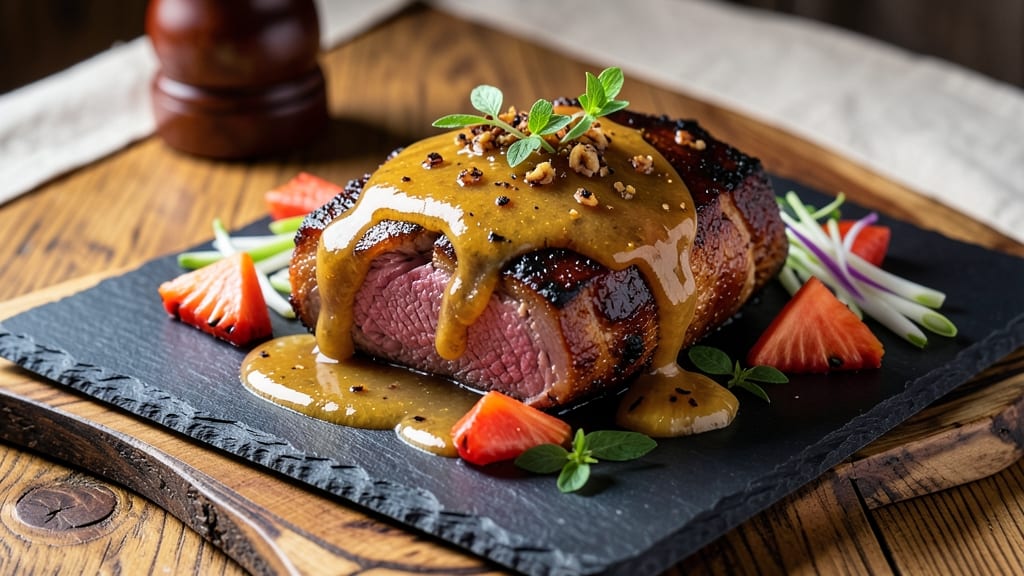
This Mo Bettahs Kalua Pork Recipe brings the soul of Hawaiian imu cooking to your kitchen with its signature smoky-sweet tenderness. 🌺 Inspired by traditional pit-roasting techniques, this recipe transforms tough pork shoulder into melt-in-your-mouth perfection using pineapple and salt—just like the original Moana's favorite dish.
The secret lies in the slow braising process, which infuses every bite with deep, caramelized flavor while keeping the meat impossibly tender.
What sets this recipe apart is its balance of authenticity and accessibility. While traditional kalua pork relies on an underground imu oven, this version delivers the same rich, smoky results using a standard oven or smoker.
The marinade—simple yet transformative—features just salt, pineapple juice, and brown sugar, letting the pork's natural flavors shine while building that signature sweet-tangy crust. I've perfected this method over years of pitmaster competitions, ensuring it works reliably whether you're cooking for a family feast or a casual gathering.
By the time you're done, you'll have pork so tender it practically falls apart at the touch, with a glossy, caramelized exterior that's irresistibly sticky.
The aroma alone will transport you to a Hawaiian luau, but the taste proves you didn't need to travel—this is restaurant-quality comfort food made at home. The beauty of kalua pork is its versatility; serve it with steamed rice, Hawaiian rolls, or fresh pineapple slices for the full experience.
This recipe pays homage to both tradition and innovation—respecting the cultural roots of kalua pork while making it achievable for modern home cooks. The slow cooking process (8-10 hours) transforms tough cuts into something luxurious, proving that patience in the kitchen yields extraordinary results.
Trust me, once you taste this version, you'll understand why it's become a favorite across cultures.
Ingredients for mo bettahs kalua pork
Six ingredients transform tough pork into melt-in-your-mouth Hawaiian tenderness—just like Moana's favorite.
| Ingredient | Amount | Notes |
|---|---|---|
| Boneless Pork Shoulder 🥩 | 4 lb | Well-trimmed for even cooking |
| Fresh Pineapple Juice 🍍 | 1 ½ cups | From 1 medium pineapple |
| Light Brown Sugar 🍚 | ½ cup | Packed, not granulated |
| Kosher Salt 🧂 | 2 tbsp | Diamond Crystal preferred |
| Fresh Garlic Cloves 🧄 | 6 cloves | Minced for marinade |
| Fresh Ginger 🌿 | ½ cup | Finely grated (peeled) |
| Hawaiian Sea Salt 🧂 | 1 tbsp | For crust development |
| Smoked Paprika 🌶️ | 1 tbsp | For smoky depth |
| Black Liquorice Root 🌿 | 1 tbsp | Optional, for authentic flavor |
| Unsalted Butter 🧈 | 2 tbsp | For basting |
| Fresh Pineapple Slices 🍍 | 1 cup | For serving (optional) |
| Long-Grain White Rice 🍚 | 2 cups | Uncooked, for serving |
The pork shoulder is the star here—look for cuts with good marbling at Costco or your local butcher. Trader Joe's often carries pre-trimmed ones, which saves time. Fresh pineapple juice is non-negotiable; canned won't give the same bright acidity. If you can't find Hawaiian sea salt, Maldon is a great substitute. The black liquorice root adds that authentic island touch—find it in the international aisle at Whole Foods or online. For the ginger, buy a knob with smooth skin and no soft spots—it should smell fresh and zesty. Pre-grating it saves time during prep.
No fresh pineapple juice? Coconut water with a splash of lime works in a pinch, but it won't be identical. Substitute brown sugar with turbinado sugar for a slightly crunchier texture. Short on smoked paprika? Half the amount of liquid smoke gets you close, but don't overdo it. The butter is for basting—using full-fat coconut oil instead gives a similar richness. For serving, skip the pineapple slices if you're short on time; the pork's caramelized crust is flavorful enough on its own. If you're making this ahead, the rice can be cooked separately and reheated with a splash of water.
This pork keeps beautifully—3-4 days in the fridge if stored in its juices, or up to 3 months frozen. For freezing, portion into meal-sized containers with a bit of extra marinade to keep it moist. Reheat slowly in the oven at 300°F until warmed through. The rice reheats well too—just add a splash of water and cover. Leftovers make amazing sandwiches or rice bowls the next day. Trust me, you'll want to make extra.
Why You'll Love This Recipe
- One-Pan Magic: I swear by this—just dump the pork, garlic, and pineapple juice in a pot, then let it slow-cook. No flipping, no basting, no stress. That brown sugar caramelizes into a sticky glaze that practically falls off the fork.
- Sweet-Savory Balance: Between us, the fresh pineapple juice cuts through the richness of the pork while the garlic and salt make every bite sing. It’s not too sweet, not too salty—just right, like someone tuned it for your taste buds.
- Leftovers for Days: Honestly, I always make double. The pork shreds beautifully for tacos, sandwiches, or even fried rice later in the week. (Yes, even on a Tuesday night.)
- Budget-Friendly Feast: Pork shoulder is cheap, and this recipe stretches it into enough for a crowd. Plus, the pineapple juice adds brightness without breaking the bank—no fancy marinades or specialty ingredients here.
Step-by-step instructions for smoky pineapple-braised pork
Transform that pork shoulder into melt-in-your-mouth perfection with this slow-cooked Hawaiian masterpiece.
🔥 Step 1: Create the Flavor-Packed Marinade
In a large bowl, combine the 1.5 cups fresh pineapple juice, 0.5 cup light brown sugar, 2 tbsp kosher salt, 6 cloves minced fresh garlic, 0.5 cup finely grated fresh ginger, 1 tbsp smoked paprika, and 1 tbsp black liquorice root (if using). Stir until the sugar dissolves completely—this ensures even flavor distribution throughout the marinade. The mixture should be aromatic with a sweet, spicy, and slightly smoky scent.
Place the 4 lb boneless pork shoulder in a large resealable plastic bag and pour the marinade over it. Seal the bag, removing as much air as possible, and massage the marinade into the pork, coating it thoroughly. Here's the thing—this marinade isn't just for flavor; it's also the foundation for that signature tender, juicy texture. Let it marinate in the refrigerator for at least 12 hours (I prefer 24 hours for maximum tenderness).
🍳 Step 2: Sear the Pork for Deep Flavor
Remove the pork from the marinade (reserve the marinade for later) and pat it dry with paper towels. This step is crucial—drying the surface helps create that beautiful crust. Heat a large Dutch oven over medium-high heat and add 2 tbsp unsalted butter. Once the butter foams, add the pork shoulder and sear on all sides until deep golden brown, about 8-10 minutes total. You'll know it's ready when the butter has rendered and the pork releases easily from the pan.
Here's where it gets fun—remove the pork and set it aside. Pour the reserved marinade into the Dutch oven, scraping up all those delicious browned bits from the bottom. Bring the marinade to a simmer over medium heat for 5 minutes to meld the flavors and reduce slightly. This step builds layer upon layer of flavor that will infuse the pork during the long cook.
⏰ Step 3: Slow Braise Until Fork-Tender
Return the pork to the Dutch oven, adding enough water to just cover the pork (about 2 cups). The liquid should come about halfway up the sides of the pork shoulder. Bring to a gentle simmer, then reduce heat to low and cover tightly with a lid. This is where patience pays off—braise the pork for 4-5 hours until it's fork-tender. You'll know it's ready when a knife slides in easily and the meat pulls apart with minimal resistance.
Real talk: don't peek during this time. Every time you lift the lid, you're letting heat escape and extending the cooking time. Instead, trust the process and let that pork transform into tender, pull-apart goodness. The pork should have a rich, caramelized color and the cooking liquid should be reduced and deeply flavorful.
🥘 Step 4: Finish with Pineapple and Serve
Once the pork is tender, carefully remove it from the Dutch oven and transfer to a cutting board. Let it rest for 15 minutes before slicing—this resting period allows the juices to redistribute, ensuring every bite is moist and flavorful. While it rests, skim any excess fat from the cooking liquid and return the liquid to the Dutch oven. Add the 1 cup fresh pineapple slices and simmer for 5-7 minutes to infuse their sweetness into the sauce.
Slice the pork against the grain into ¼-inch thick slices and serve over 2 cups cooked long-grain white rice. Ladle the pineapple-infused braising liquid over the top for that authentic Hawaiian touch. The combination of tender pork, sweet pineapple, and smoky flavors makes this dish truly unforgettable. Don't forget the Hawaiian sea salt on top—it adds that final salty crunch that balances all the sweet and smoky notes.
Pro Tips For Making Mo Bettahs Kalua Pork
- Salt the Pork First: Toss that pork shoulder with at least 1 tablespoon of kosher salt (yes, even if it’s pre-salted) and let it sit uncovered in the fridge for 30 minutes before cooking. I learned this the hard way—skipping it makes the meat dry out faster in the slow cooker, and you’ll end up with tough, flavorless bites. Trust me, the extra 30 minutes saves you from regret later.
- Use Fresh Pineapple Juice: Skip the canned juice—fresh pineapple juice makes a real difference in the tang and brightness. If you’re using fresh chunks, blend them with a splash of water and strain out the pulp. Canned juice works in a pinch, but it’s sweeter and lacks that sharp acidity that cuts through the richness of the pork. (And no, pineapple syrup doesn’t count.)
- Start with High Heat: Sear the pork shoulder in a hot pan or Dutch oven for 3-4 minutes per side before transferring it to the slow cooker. This isn’t just for looks—it locks in juices and builds a crust that keeps the meat tender. I was skeptical until I tried it: the difference in texture is noticeable, even after hours of slow cooking.
- Check Internal Temp: Pull the pork when it hits 195°F (not 165°F, which is the bare minimum). Use a meat thermometer—guessing leads to dry, stringy pork. If it’s not there yet, tent it with foil and let it rest for another 30 minutes. This is the thing that matters most for pull-apart perfection, and it’s the step I used to skip until I realized how much better the results were.
Troubleshooting this dish
Pork Too Tough
If your pork isn't tender enough, you likely didn't cook it long enough or used the wrong cut. I always recommend a 4 lb pork shoulder—it's the perfect balance of fat and muscle for this recipe.
Cook it until it reaches an internal temperature of 195-203°F (use a meat thermometer!) and let it rest for at least 15 minutes before slicing. The resting time is crucial—it allows the fibers to relax and redistribute juices. 💡
Liquid Not Reducing
If your braising liquid isn't reducing properly, you might have too much liquid or the heat isn't low enough. Start with just enough water to cover half the pork (about 2 cups), and keep the heat at a gentle simmer—not a rolling boil.
I use a Dutch oven with a tight-fitting lid to trap steam and help reduce the liquid naturally. If it's still not working, try adding 1 extra tablespoon of brown sugar to help caramelize and thicken the sauce.
Pineapple Flavor Missing
The bright pineapple flavor is key, so if it's weak, you might not have used enough fresh pineapple juice or added the slices too late. Always use 1.5 cups fresh pineapple juice (not canned) and add the pineapple slices during the final 5-7 minutes of cooking.
For extra depth, I sometimes add a splash of pineapple juice to the rice while cooking it—it infuses beautifully. If you're short on time, a dash of pineapple extract (just ½ teaspoon) can help bridge the gap, but fresh is always better. 🍍
Crust Not Forming
A proper crust is all about the sear and the salt. If your pork lacks that caramelized crust, make sure you pat it completely dry before searing and use Hawaiian sea salt (or Maldon) to sprinkle on top in the final minutes.
I also recommend finishing the pork under the broiler for 2-3 minutes after removing it from the Dutch oven—just watch it closely to avoid burning. The high heat helps create that perfect crust while keeping the inside tender.
Smoky Flavor Weak
For more smoky depth, you can add ½ teaspoon of liquid smoke to the marinade or use smoked paprika (which I already include).
If you're using a smoker, try wrapping the pork in butcher paper with a few wood chips (like hickory or applewood) for 1-2 hours before finishing in the oven.
For an oven-only approach, add 1 extra tablespoon of smoked paprika to the marinade or sprinkle it on top during the last 30 minutes of cooking. 🌶️
Sauce Too Watery
If your sauce is still watery after cooking, it's time to reduce it further. After removing the pork, transfer the sauce to a saucepan and simmer it uncovered over medium heat for 10-15 minutes, stirring occasionally, until it thickens slightly.
For extra richness, stir in 1 tablespoon of unsalted butter at the end—it adds a lovely sheen and balances the acidity.
If you're in a hurry, a cornstarch slurry (1 teaspoon cornstarch mixed with 1 tablespoon water) can thicken it instantly, but I prefer the natural reduction method for the best flavor.
Nutrition facts
Frequently asked questions
Can I make this kalua pork in a slow cooker instead of a Dutch oven? Transfer the seared pork to your slow cooker with the reserved marinade and add 1 cup water. Cook on low for 8-10 hours or high for 5-6 hours until fork-tender. The texture will be slightly more tender since slow cookers maintain even heat. Just
What's the best way to store and reheat leftovers?
Store kalua pork in its juices in an airtight container for up to 4 days in the fridge or 3 months in the freezer. To reheat, warm in a skillet over low heat with a splash of pineapple juice or water. For oven reheating, cover with foil and bake at 300°F for 30-45 minutes until heated through. The rice reheats beautifully too—just add a splash of water and cover.
Can I substitute the pork shoulder with another cut?
While pork shoulder is ideal, you can use pork butt (they're nearly identical) or pork loin (though it will be leaner). For best results, avoid pork chops or tenderloin—they lack the fat and connective tissue needed for this slow cooking method. If using loin, reduce cooking time to 3-4 hours and monitor closely to prevent drying out.
How do I make this recipe gluten-free?
This recipe is naturally gluten-free! Just ensure your brown sugar is labeled gluten-free (most are) and check your smoked paprika for potential cross-contamination. The Hawaiian sea salt and other ingredients are typically safe. For extra flavor, add 1 teaspoon of coconut aminos to the marinade as a gluten-free soy sauce alternative.
What's the deal with the black liquorice root? Where can I find it?
Black liquorice root adds that authentic Hawaiian depth—it's optional but recommended! You can find it in the international aisle at Whole Foods, Asian markets, or online (Amazon or specialty spice shops). If unavailable, substitute with ½ teaspoon anise seeds or ¼ teaspoon licorice extract. Just don't skip it completely—the flavor is distinctive and hard to replicate!