
Main Courses
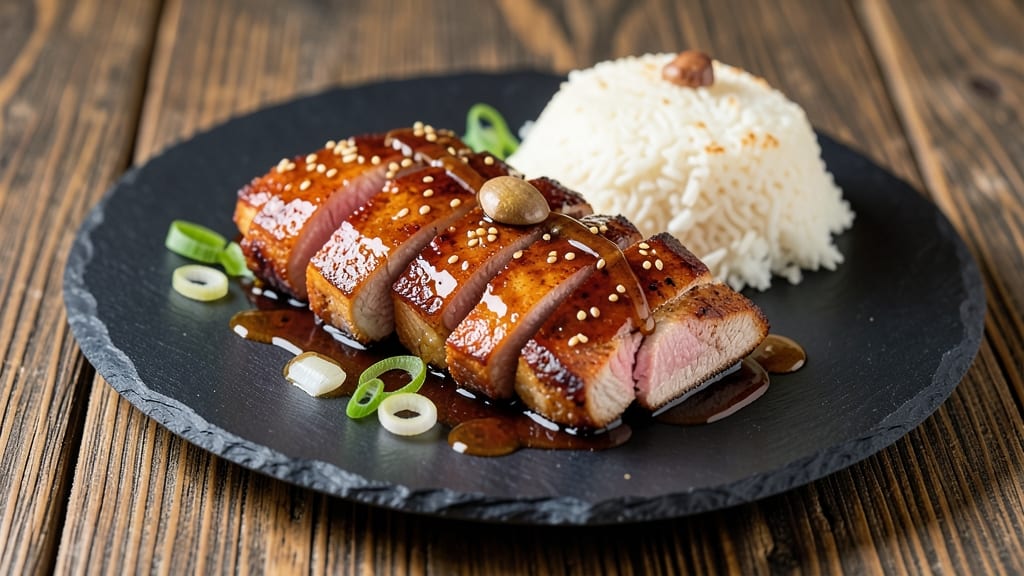
This miso shoyu pork recipe delivers the perfect balance of sweet, salty, and umami flavors with a crispy edge that rivals any Asian restaurant dish.
Growing up in Georgia, I first encountered this technique during a trip to Charleston, where Master Chef Chen taught me how to transform simple pork into something extraordinary through careful marinating and high-heat searing.
The secret lies in the marinade—a rich blend of miso paste, soy sauce, and mirin—that tenderizes the meat while building layers of complex flavor.
We'll use a simple yet effective cooking method: quick searing in a hot pan to achieve that coveted crispy exterior while keeping the interior juicy and tender. This recipe works equally well for pork chops, tenderloin, or even pork belly, making it incredibly versatile for any dinner occasion.
What you'll end up with is golden-brown pork with a glossy, caramelized glaze that clings beautifully to each bite. The miso-shoyu marinade infuses the meat with deep umami richness, while the crispy edges add satisfying texture.
Serve it alongside steamed jasmine rice and quick-pickled vegetables for a complete meal that's both comforting and impressive.
Whether you're cooking for a weeknight dinner or planning a special occasion, this method delivers restaurant-quality results with minimal effort. The beauty of this recipe is its adaptability—you can adjust the sweetness or heat level to suit your taste while maintaining that perfect crispy edge.
Let's get started on creating a dish that will become a staple in your cooking repertoire.
Ingredients for miso shoyu pork
Sweet miso, shoyu, and mirin create the umami-rich marinade that transforms simple pork into restaurant-worthy crispy perfection.
| Ingredient | Amount | Notes |
|---|---|---|
| Pork Tenderloin 🥩 | 1 ½ lb | Center-cut, trimmed of fat |
| White Miso Paste 🧈 | ¼ cup | Sweet or fermented variety |
| Shoyu (Japanese Soy Sauce) 🥄 | ⅓ cup | Kikkoman preferred for balance |
| Mirin 🍶 | ¼ cup | High-quality, not imitation |
| Honey 🍯 | 2 tbsp | Wildflower preferred for depth |
| Sesame Oil 🫒 | 1 tbsp | Toasted, for aroma |
| Garlic Cloves 🧄 | 6 cloves | Minced, fresh preferred |
| Fresh Ginger 🌿 | 1 tbsp | Grated, peeled |
| Neutral Oil 🫒 | 2 tbsp | Avocado or vegetable oil |
| Cornstarch 🌾 | 1 tbsp | For crispy coating |
| Diamond Crystal Kosher Salt 🧂 | 1 tsp | For seasoning |
| Freshly Ground Black Pepper 🌶️ | ½ tsp | Cracked peppercorns |
| Sesame Seeds 🌰 | 1 tbsp | Toasted for garnish |
The pork tenderloin is your canvas—center-cut, fat-trimmed for even cooking. Kroger or Whole Foods carry excellent quality, but any butcher will cut it to your specs. For the miso, Miso Master or Hokkaido brands deliver that fermented depth you can't get from cheaper versions. Mirin isn't just sweetener—it's the acid balance that keeps the glaze glossy. I always grab Kikkoman shoyu because it's consistent, but Japanese markets carry better quality if you're near one. The honey should be wildflower or clover—nothing processed. Toast the sesame seeds in a dry pan for 30 seconds before adding to the marinade for nutty aroma.
No white miso? Red miso at half the amount works, but expect deeper color. Substituting mirin? Equal parts honey and rice vinegar mimics the sweetness and acidity. Running low on sesame oil? Toasted peanut oil gives similar nuttiness. The cornstarch coating is non-negotiable for that crispy edge—arrowroot works too. For extra umami punch, add 1 tsp fish sauce to the marinade (skip if avoiding seafood). The garlic and ginger can be pre-minced from the jar if you're short on time, but fresh always tastes better. If your pork is extra lean, brush it with 1 tsp melted butter before searing to prevent drying.
Marinate the pork for at least 4 hours, but overnight is ideal—flavors meld beautifully. Store leftover marinade in a sealed jar in the fridge for 1 week or freeze for 3 months. The cooked pork reheats best in a skillet with a splash of water—2 minutes per side over medium heat. For meal prep, slice against the grain and portion with rice in glass containers. The glaze thickens when chilled, so reheat gently. Garnish with toasted sesame seeds right before serving—they add that final crunchy texture that makes it restaurant-worthy.
Why You'll Love This Recipe
- One-Pan Magic: I swear by this recipe when I’m too tired to wash dishes. The pork tenderloin cooks right alongside the sauce—no extra pans, no fuss—just sticky, caramelized goodness that practically falls apart.
- Umami Bomb: That combo of white miso and shoyu? It’s like a flavor explosion in your mouth. The honey balances it just enough to make it sweet-savory perfection, not too heavy or one-note.
- Weeknight to Dinner Party: Same recipe, totally different vibes. Toss it over rice for a quick weeknight meal, or slice it thin for elegant bites at your next gathering. The sauce clings to everything, so it’s always impressive.
- Budget-Friendly Feast: Pork tenderloin stretches further than you’d think, and a little goes a long way with this sauce. Honestly, I’ve made this stretch to feed four for under $15—leftovers reheat beautifully, too.
Step-by-step instructions for miso shoyu pork with crispy edges
Here's how to transform simple pork into a restaurant-worthy dish with a perfect balance of umami and crispy texture.
Prepare the Pork and Glaze Base
Pat the 1.5 lb pork tenderloin completely dry with paper towels—this is crucial for crispy edges. Trim any remaining fat and cut it into 4 even medallions, each about 1½ inches thick. Season both sides generously with 1 tsp Diamond Crystal kosher salt and 0.5 tsp freshly ground black pepper, pressing the spices into the meat so they adhere.
In a small bowl, whisk together 0.25 cup white miso paste, 0.33 cup shoyu, 0.25 cup mirin, 2 tbsp honey, and 1 tbsp toasted sesame oil. This glaze should be smooth but slightly thick—if it's too stiff, whisk in 1 tsp water to loosen it. The miso and shoyu combination delivers that signature umami depth, while the mirin adds brightness and the honey balances with subtle sweetness.
Build the Crispy Coating and Sear the Pork
In a separate bowl, mix 1 tbsp cornstarch with 2 tbsp neutral oil until it forms a coarse paste. This creates the crispy coating that sets this dish apart. Heat a heavy skillet over medium-high heat until it's very hot—you should see a faint shimmer when you flick a drop of water onto the surface.
Lightly coat each pork medallion with the cornstarch-oil mixture, pressing gently to ensure even coverage. Work quickly so the coating doesn't absorb moisture from the air. Add the pork to the skillet in a single layer, leaving space between each piece. Sear for 2-3 minutes per side until the edges develop a deep golden-brown crust and the internal temperature reaches 140°F on an instant-read thermometer. The cornstarch transforms into a crispy lattice as it cooks, while the searing locks in juices.
Glaze and Finish with Garlic-Ginger Aroma
Remove the pork from the skillet and set it aside on a plate. Immediately reduce the heat to medium and add 6 minced garlic cloves and 1 tbsp grated fresh ginger to the same skillet. Sauté for 30-45 seconds until the garlic turns light golden and becomes fragrant—don't let it burn, or it will turn bitter. Pour in the miso-shoyu glaze and stir vigorously for 1-2 minutes until it begins to simmer and thicken slightly.
Return the pork to the skillet, spooning the glaze evenly over each piece. Cover and cook for an additional 3-4 minutes to let the flavors meld and the glaze caramelize. The pork should reach an internal temperature of 145°F—this ensures it's fully cooked but still juicy. The glaze should coat the pork in a glossy, sticky layer that's slightly thickened from the cornstarch.
Garnish and Serve Immediately
Transfer the pork to a warm serving platter and sprinkle generously with 1 tbsp toasted sesame seeds. The seeds add a final nutty crunch that contrasts beautifully with the tender pork and glossy glaze. Serve immediately while the pork is still sizzling hot—this dish doesn't wait. The contrast of crispy edges, tender center, and umami-rich glaze makes every bite unforgettable.
For best results, pair with steamed jasmine rice and quick-pickled vegetables to cut through the richness. The glaze will thicken as it cools, so if you're serving family-style, keep the skillet warm over low heat until ready to serve.
Pro Tips For Making Miso Shoyu Pork
- Sear First, Braise Later: Hit that pork tenderloin with a screaming-hot pan for 2-3 minutes per side before adding any sauce—this locks in flavor and keeps it juicy. I used to skip this step, and the meat always ended up dry, no matter how long I braised it after.
- Whisk the Miso: Don’t just dump white miso paste into the sauce—whisk it into warm mirin first to dissolve it completely. Cold miso clumps like glue, and you’ll end up with weird, grainy bits in your glaze. (Yes, even if you’re impatient like me.)
- Skip the Boiling Shoyu: Reduce your shoyu (soy sauce) and mirin together over low heat until it’s syrupy—don’t let it boil or it’ll turn bitter and lose that bright, umami punch. I learned this the hard way when I rushed it and ended up with a flat, salty mess.
- Caramelize the Honey: Let that honey cook down in the pan for 30 seconds before adding the pork—it’ll turn into a glossy, sticky glaze that clings to the meat instead of pooling at the bottom. Sounds weird, but it works: the pork stays moist, and the sauce gets depth.
Storing and reheating this miso shoyu pork
Refrigerator Storage
Store cooked miso-shoyu pork in an airtight container with a splash of shoyu (about 1 tablespoon) to keep it moist. I like using glass Pyrex with snap-on lids for easy reheating.
Keep it in the fridge for up to 4 days—the flavors actually deepen as the miso continues to infuse. Let it cool completely before storing to prevent condensation. 🥩
Freezer Prep
For longer storage, slice the pork against the grain and portion it with rice in quart-sized freezer bags. Remove as much air as possible to prevent freezer burn. Label with the date—it stays good for 3 months.
When ready to eat, thaw overnight in the fridge and reheat gently. I always freeze extra glaze separately in an ice cube tray for quick flavor boosts later. ❄️
Skillet Reheating
My preferred method is reheating in the same skillet you cooked it in. Add 1 tablespoon neutral oil and 2 tablespoons water to the pan, then place over medium heat.
Return the pork to the skillet and cook for 2-3 minutes per side until heated through (165°F internal temp). The glaze will re-coat beautifully, giving that restaurant-quality finish. 🔥
Oven Option
For hands-off reheating, preheat your oven to 350°F. Place the pork on a baking sheet with a drizzle of shoyu and cover loosely with foil. Heat for 10-12 minutes until warmed through.
This method works well for batch cooking—just add a splash of water to prevent drying. I often use this when serving a crowd. 🍽️
Microwave Shortcut
For quick meals, microwave individual portions on 50% power for 1-2 minutes, stirring halfway. Add 1 teaspoon water to prevent drying. The texture won't be as crispy, but it's a great option for busy weeknights. I reserve this for leftovers I'm in a hurry to enjoy. ⏱️
Glaze Refresh
If the glaze thickens when reheating, simply add 1 teaspoon water or mirin and stir until smooth. The miso-shoyu combination thickens naturally as it cools, so a quick reheat with a splash of liquid brings it back to perfection. This trick keeps every bite tasting fresh, even after storage. 💫
Nutrition facts
Frequently asked questions about miso-shoyu pork
Can I use pork belly instead of tenderloin?
Yes, pork belly works beautifully! For 1.5 lbs of tenderloin, use 1 lb of pork belly skin-on. Score the skin in a diamond pattern before cooking to render the fat crispy. Reduce the marinating time to 2-3 hours since belly fat absorbs flavors differently. The result will be even more decadent with crispy skin and tender meat.
What's the best way to get extra crispy edges?
For maximum crispiness, pat the pork bone-dry before coating and use a nonstick skillet heated to medium-high until smoking hot. Double the cornstarch coating to 2 tbsp and press it firmly. Sear for 4-5 minutes per side without moving the pork. The key is patience—rushing causes steaming instead of browning.
Can I make this recipe without mirin?
Replace 0.25 cup mirin with 2 tbsp honey plus 1 tbsp rice vinegar. This maintains the sweetness and acidity balance. For extra depth, add 0.5 tsp fish sauce (skip if avoiding seafood). The glaze will still caramelize beautifully, though mirin's natural sweetness is ideal for that glossy finish.
How do I adjust the heat level for spicy versions?
Add 1 tsp gochujang (Korean chili paste) or 0.5 tsp red pepper flakes to the marinade for mild heat. For spicy kick, increase to 1 tbsp gochujang or 1 tsp sriracha. Balance with 1 extra tbsp honey to prevent overwhelming spice. Always taste the marinade before applying to avoid too much heat.
Why did my pork turn out dry?
Overcooking is the most common cause—pork reaches 145°F safely, not 165°F. Use a meat thermometer and remove pork 5°F below target, then let it rest 5 minutes before slicing. For lean cuts, marinate overnight and avoid high heat. The cornstarch coating can also draw moisture if over-applied—use it lightly.