
Main Courses
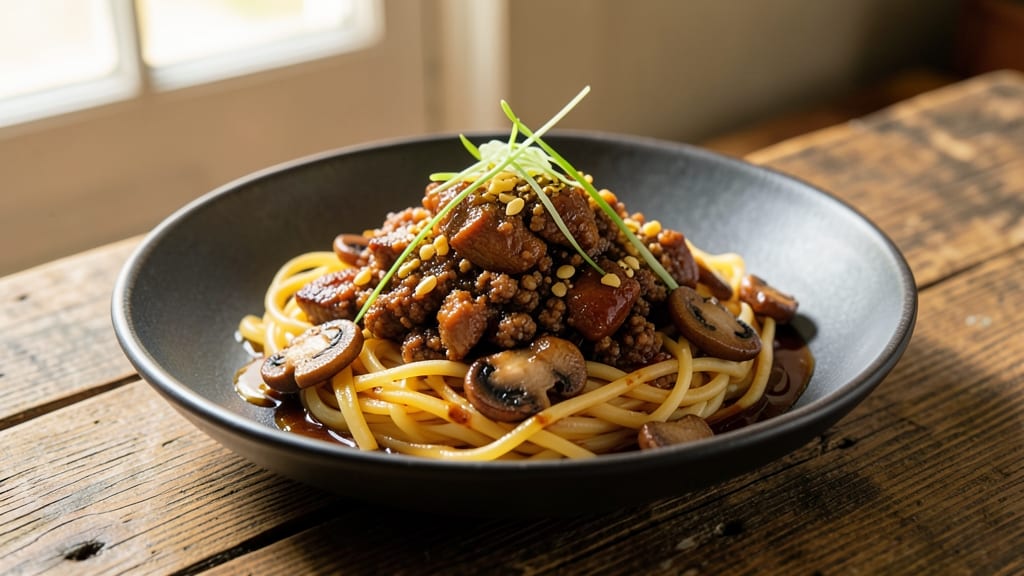
This minced pork mushroom noodle recipe delivers restaurant-quality umami in 25 minutes with just one pot. After years of perfecting pork-based dishes at The Smoky Pig, I've developed a technique that transforms simple ingredients into a deeply flavorful, comforting meal.
The secret lies in proper pork seasoning and mushroom caramelization—key steps I'll walk you through carefully.
What makes this recipe stand out is the balance of textures and flavors: tender minced pork, earthy mushrooms, and chewy noodles all coming together in a savory sauce. We'll use a simple one-pot method that minimizes cleanup while maximizing flavor development through proper cooking techniques.
This is the kind of dish that feels indulgent yet remains approachable for home cooks.
The result is a one-pot meal with perfectly cooked noodles, tender pork that's been properly seasoned, and mushrooms that have developed rich umami flavors through careful cooking. Each bite delivers a harmonious combination of textures and tastes that will satisfy even the most discerning eaters.
The best part? It's ready in less time than it takes to order takeout.
Whether you're feeding a family or cooking for one, this recipe scales beautifully while maintaining its depth of flavor. The technique I'll share ensures you'll achieve that restaurant-quality texture and taste without requiring specialized equipment. Let's get started on creating this comforting, umami-packed meal.
Ingredients for minced pork mushroom noodle
Restaurant-quality umami comes from these carefully selected, high-impact ingredients designed for one-pot harmony.
| Ingredient | Amount | Notes |
|---|---|---|
| Minced Pork Shoulder 🐖 | 1 lb | Freshly minced, not pre-seasoned |
| Shiitake Mushrooms 🍄 | 8 oz | Fresh, stems removed, sliced |
| Egg Noodles 🍜 | 8 oz | Fresh or dried, medium width |
| Garlic Cloves 🧄 | 4 cloves | Minced, for aromatic base |
| Fresh Ginger 🌿 | 1 ½ tbsp | Finely grated, for depth |
| Soy Sauce 🍶 | 3 tbsp | Light or all-purpose |
| Oyster Sauce 🍶 | 2 tbsp | For umami richness |
| Sesame Oil 🫒 | 1 tbsp | Toasted, for aroma |
| Vegetable Oil 🫒 | 2 tbsp | High smoke point |
| Green Onions 🧅 | 3 whole | Sliced, for garnish |
| Diamond Crystal Kosher Salt 🧂 | ¾ tsp | For seasoning |
| Ground White Pepper 🌶️ | ¼ tsp | Freshly ground |
| Dried Shiitake Mushrooms 🍄 | 2 pieces | Rehydrated, optional backup |
| Cornstarch 🌾 | 1 tbsp | For thickening sauce |
The pork shoulder is non-negotiable for texture—freshly minced at your butcher or using a meat grinder yields the best results. Look for well-marbled cuts at specialty meat counters like Whole Foods or D'Artagnan if you're aiming for premium quality. Shiitake mushrooms should be firm with a rich, earthy aroma—avoid slimy specimens. For the noodles, fresh egg noodles from Trader Joe's or Asian grocery stores provide that perfect chewy texture, but dried noodles work in a pinch if soaked properly. The garlic and ginger should be freshly minced just before cooking to maximize their aromatic compounds.
No fresh shiitake mushrooms? Dried shiitake rehydrated in hot water works beautifully—just measure the rehydrated amount. Running low on oyster sauce? Soy sauce plus a splash of fish sauce (if not vegetarian) delivers similar umami depth. The sesame oil should be toasted—heat it gently in a separate pan before adding to the dish. For the noodles, if you can't find egg noodles, udon or ramen noodles work well, though they'll have slightly different textures. The cornstarch is essential for thickening—arrowroot powder works at a 1:1 ratio if you prefer a gluten-free option. Always taste your seasoning as you go; Diamond Crystal kosher salt is preferred as it dissolves more easily than table salt.
Store the pork in the coldest part of your fridge and use within 2 days for best texture. Fresh mushrooms keep for 5-7 days in a paper bag in the crisper drawer. The noodles can be stored uncooked for 6 months in an airtight container. This dish reheats beautifully—simply add a splash of water and stir over medium heat. For meal prep, portion into glass containers and refrigerate for up to 4 days. Freezing isn't recommended due to the noodle texture, but you can freeze the sauce separately for 3 months and cook fresh noodles when ready to serve.
Why You'll Love This Recipe
- No Chopping Nightmare: The minced pork shoulder does all the work for you—no knife skills required. I just grab a bowl, mix in the pre-chopped mushrooms and garlic, and stir-fry. That’s it. (Yes, even on a Tuesday night when I’m too tired to julienne anything.)
- Umami Bomb Combo: Shiitake mushrooms and ginger team up for that deep, savory punch that lingers. The pork stays juicy while the mushrooms soak up all the garlic goodness—like a cozy flavor hug in every bite. (Between us, I’ve eaten this cold the next day and still craved more.)
- Lunchbox Hero: Pack half the batch for work and reheat the rest—same rich flavors, no sad soggy noodles. My kids actually ask for this in their bento boxes, and honestly? That’s my goal with every recipe.
- Budget Stretch: A pound of pork shoulder and a handful of mushrooms feed four for under $10. Egg noodles? Cheap as dirt. This is my go-to when groceries feel tight, but somehow it still tastes like a restaurant dish. (Not the prettiest, but the taste makes up for it.)
Step-by-step instructions for minced pork mushroom noodles
Here's how to craft this umami-rich dish efficiently in one pot while preserving all the flavors.
Prepare the Aromatic Base
Heat the 2 tablespoons vegetable oil in a wok or large skillet over medium-high heat until shimmering. Add the 4 cloves minced garlic and 1.5 tablespoons finely grated fresh ginger, cooking for 30-45 seconds until fragrant but not browned. This quick cooking prevents bitterness while developing the aromatic foundation.
Next, add the 8 ounces sliced shiitake mushrooms and stir-fry for 3-4 minutes until they release their moisture and begin to soften. If using the 2 pieces dried shiitake mushrooms, rehydrate them first in hot water for 20 minutes, then slice and add to the pan. The mushrooms should yield slightly to pressure when ready—this ensures they'll absorb the flavors without becoming mushy.
Cook the Minced Pork Thoroughly
Push the mushrooms to one side of the wok and add the 1 pound minced pork shoulder to the empty space. Cook undisturbed for 2-3 minutes until the pork loses its raw color and begins to brown at the edges. This initial searing develops a deeper flavor and prevents the pork from becoming rubbery.
Stir the pork into the mushrooms and continue cooking for another 3-4 minutes until fully opaque. The pork should be cooked through with no pink remaining—this ensures food safety while maintaining tenderness. If any liquid forms, let it evaporate completely before proceeding.
Build the Flavorful Sauce
Pour in the 3 tablespoons soy sauce and 2 tablespoons oyster sauce, stirring well to coat the pork and mushrooms. Add the 1 tablespoon sesame oil and the 0.75 teaspoon Diamond Crystal kosher salt, along with the 0.25 teaspoon ground white pepper. Let the mixture simmer for 2 minutes to allow the sauces to meld and slightly reduce.
In a small bowl, whisk together the 1 tablespoon cornstarch with 2 tablespoons water to create a slurry. Pour this into the wok while stirring continuously. The sauce should begin to thicken immediately—if it doesn't, simmer for another 30 seconds until it reaches a glossy, coatable consistency. This step is crucial for achieving that signature silky texture.
Incorporate and Finish the Noodles
Add the 8 ounces egg noodles to the wok and toss everything together for 1-2 minutes until the noodles are fully coated and heated through. The noodles should be tender but still have a slight bite—this ensures they hold up well when tossed. If the mixture appears dry, add 1-2 tablespoons water to loosen it.
Remove from heat and immediately stir in the 3 whole sliced green onions. Let the dish rest for 1 minute before serving to allow the flavors to fully integrate. The final dish should have a glossy sheen from the sauce, with each bite delivering a perfect balance of tender pork, umami mushrooms, and savory sauce.
Pro Tips For Making Minced Pork Mushroom Noodle
- STIR-FRY IN TWO BATCHES: I learned this the hard way—trying to cook all the pork and mushrooms at once just turns them into a sad, greasy mess. Split the pork into two portions and cook each separately, then mix them back together with the mushrooms. This keeps the meat crispy and the flavors bright, not drowned in its own juices.
- SLICE GINGER THINLY: Thick chunks of ginger just sit there like rocks, refusing to soften. Use a mandoline or a sharp knife to slice it paper-thin (about 1mm) so it melts into the sauce within seconds. No, it doesn’t need to be perfect—just consistent. (Yes, even if you’re impatient like me.)
- DON’T OVERWORK THE NOODLES: Fresh egg noodles break when you handle them like they’re delicate glass. Boil them just until al dente, then drain and toss immediately with a splash of cold water to stop cooking. They’ll finish perfectly in the wok—no mushy texture, no sad limp noodles.
- SAUTE MUSHROOMS SEPARATELY: Raw shiitake mushrooms release too much water when tossed with the pork, turning your stir-fry into a soup. Sear them first in a dry pan until they release their liquid, then wipe the pan clean before adding the pork. This guarantees a crispy, flavorful bite instead of a watery pile. (Your future self will thank you.)
Essential equipment for this dish
Wok Essentials
Your wok is the star of this dish—look for a 14-inch carbon steel wok with a flat bottom if you're new to stir-frying. I swear by De Buyer woks for their even heat distribution, but a quality Lodge cast iron skillet works in a pinch.
Carbon steel heats up faster than stainless steel and retains heat better, which is crucial for that quick sear on the pork and mushrooms. 🔥
If you don't own a wok, a large, heavy-bottomed stainless steel skillet (like All-Clad) will work just fine. The key is getting your pan hot enough to develop that Maillard reaction—the chemical process that creates deep, savory flavors.
Preheat your pan over medium-high heat for 2-3 minutes before adding oil to ensure proper cooking.
Knife and Cutting Tools
A sharp chef's knife is non-negotiable for this recipe. I use a Wüsthof Ikon for its precision, but any high-quality 8-inch chef's knife will do. For mushrooms, a serrated knife helps slice through their tough stems without tearing the caps.
Always slice mushrooms thinly and evenly—this ensures consistent cooking and maximum flavor absorption. 🍄
Invest in a cutting board that won't dull your knife—end-grain boards like Bamboo or Teak are my favorites because they're gentle on blades. If you're prepping multiple ingredients, keep them organized with small mixing bowls (I like Pyrex glass bowls for their durability).
A microplane for ginger and garlic is a game-changer—it creates fine, aromatic particles that infuse flavor better than mincing by hand.
Measuring and Mixing
Precision matters when it comes to sauces and seasonings. A small liquid measuring cup (like OXO Good Grips) helps accurately measure your soy sauce, oyster sauce, and sesame oil.
For the cornstarch slurry, a small ramekin or shot glass works perfectly—I like to whisk it in a separate bowl before adding it to the wok to avoid lumps. 🥄
Don't overlook a wooden spoon or heat-resistant silicone spatula for stirring. Metal utensils can scratch your wok over time, so I recommend sticking to wood or silicone for daily cooking. A fine-mesh strainer comes in handy if you're rehydrating dried shiitake mushrooms—it ensures clean, even slices without excess liquid.
Optional Upgrades
For the ultimate flavor boost, a small mortar and pestle lets you crush toasted sesame seeds or dried chili peppers right into the dish. I also keep a garlic press on hand for quick, even mincing—just 4 cloves at a time.
If you're feeling fancy, a lobster pick helps break up the minced pork into even smaller pieces for a more refined texture. 💡
For serving, wide, shallow bowls (like Corelle stoneware) let you plate the noodles beautifully, showcasing the vibrant colors and textures. A small ladle makes it easy to portion the dish evenly, and tongs help toss the noodles without overcrowding the pan.
These extras might seem like little things, but they make a big difference in both cooking and presentation.
Nutrition facts
Frequently asked questions
Can I substitute ground pork for minced pork shoulder?
While ground pork works in a pinch, minced pork shoulder delivers superior texture and flavor. The shoulder's fat content renders during cooking, creating a silky consistency that ground pork lacks. If you must substitute, use 80% lean ground pork and add 1 teaspoon extra sesame oil to compensate for the reduced fat. For best results, ask your butcher to freshly mince the shoulder using a meat grinder.
What if I don't have shiitake mushrooms?
Cremini or oyster mushrooms work beautifully as substitutes—they're more widely available and still deliver great umami. For a deeper flavor, use 8 ounces cremini mushrooms plus 2 dried shiitake mushrooms (rehydrated). If you only have white button mushrooms, increase to 10 ounces and add 1 teaspoon soy sauce to enhance their mild flavor.
How do I prevent the noodles from becoming mushy?
Cook the noodles 1 minute less than package instructions and rinse them in cold water for 10 seconds before adding to the pan. This stops the cooking process. When tossing with the pork mixture, work quickly over medium-high heat for just 1-2 minutes—the residual heat will finish cooking them perfectly without turning them to mush.
Can I make this recipe vegetarian?
Replace the pork with 12 ounces extra-firm tofu (pressed and crumbled) or 10 ounces king oyster mushrooms (sliced thin). For umami depth, add 1 tablespoon mushroom powder or 1 teaspoon fish sauce (if not strict vegetarian). The cooking method remains identical—just reduce the cooking time for tofu to 2-3 minutes to prevent drying.
What's the best way to reheat leftovers?
Reheat in a skillet over medium heat with 1 tablespoon water per serving, stirring constantly for 3-4 minutes. The moisture prevents the noodles from drying out. For microwave reheating, cover with a damp paper towel and heat in 30-second intervals, stirring between each. Never reheat above 165°F**—this ensures food safety while maintaining texture.