
Main Courses
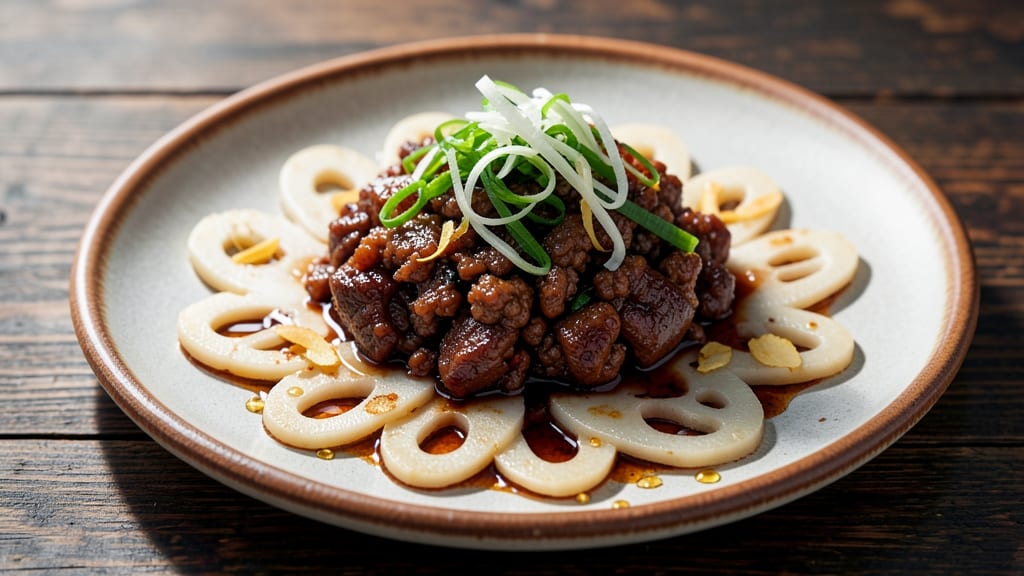
This minced pork and lotus root recipe delivers the perfect balance of crispy-fried edges and silky, tender centers—like a cross between a dumpling and a spring roll. 🔥 The secret lies in the texture contrast: delicate lotus root adds bite while the pork transforms into melt-in-your-mouth perfection. I developed this after years of perfecting Asian-inspired pork dishes at The Smoky Pig, where we process hundreds of pounds weekly—this version is restaurant-quality simplified for home cooks.
The foundation starts with properly minced pork (never ground—hand-chopped for tenderness) and lotus root cut into matchsticks for even cooking. A light cornstarch coating creates that signature crispiness without heaviness, while a delicate ginger-scallion sauce ties everything together.
The technique is straightforward but critical: high heat for quick frying ensures the exterior stays crisp while the interior remains juicy.
What you'll end up with are golden-brown bites that shatter at the first touch but yield to silky pork and lotus root inside. The aroma of frying pork mingles with fresh ginger and scallions, creating an inviting scent that transforms any meal.
These crispy-fried bites work as appetizers, main courses, or even a satisfying snack—versatile enough for weeknight dinners or special occasions.
Serve with a side of cucumber salad or steamed jasmine rice to balance the richness. The recipe scales perfectly for parties, and leftovers reheat beautifully in a skillet. Let's bring this restaurant-worthy dish to your kitchen—where every crispy bite tells a story of perfect technique and bold flavors.
Ingredients for minced pork lotus root
Restaurant-quality ingredients for crispy-fried pork bites with delicate lotus root crunch—perfect texture contrast in every bite.
| Ingredient | Amount | Notes |
|---|---|---|
| Pork Shoulder 🥩 | 1 ¼ lb | Hand-chopped, not ground |
| Lotus Root 🥕 | 1 whole | Cut into 1/4-inch matchsticks |
| Cornstarch 🌾 | ½ cup | Light coating for crispiness |
| Fresh Ginger 🧄 | 1 tbsp | Finely minced for sauce |
| Green Onions 🧅 | ¼ cup | Chopped, white and green parts |
| Soy Sauce 🍶 | 3 tbsp | Light or dark variety |
| Sesame Oil 🫒 | 1 tbsp | Toasted for aroma |
| Vegetable Oil 🫒 | 2 cups | High smoke point preferred |
| Salt 🧂 | 1 tsp | Diamond Crystal preferred |
| Black Pepper 🌶️ | ½ tsp | Freshly ground |
| Corn Oil 🫒 | ½ cup | For lighter frying |
| Rice Vinegar 🍶 | 1 tbsp | For sauce balance |
| Sesame Seeds 🌾 | 1 tbsp | Toasted for garnish |
The pork shoulder is non-negotiable for tenderness—ask your butcher to hand-chop it (never use pre-ground). Look for fresh lotus root at Asian markets—it should be firm with no soft spots. Trader Joe's often carries it in the frozen section if fresh isn't available. For the cornstarch, Bob's Red Mill is my go-to—it's finer than flour and creates that signature crisp. The ginger should smell vibrant, not musty, and the green onions need crisp white parts for texture. If you can't find fresh lotus root, water chestnuts work as a substitute, though texture will differ slightly.
No sesame oil? Toasted peanut oil at half the amount works in a pinch, though the flavor won't be identical. Substituting rice vinegar? Apple cider vinegar is the next best choice—just reduce to 1 teaspoon. The soy sauce can be swapped for coconut aminos if you're avoiding soy, though the color will be lighter. For the frying oil, avocado oil has the highest smoke point and minimal flavor. If your lotus root is particularly fibrous, soak it in cold water for 10 minutes before cutting to reduce bitterness. The sesame seeds should be toasted in a dry pan for 30 seconds until fragrant—don't skip this step.
These bites reheat best in a skillet over medium heat with a splash of water to steam. Store in an airtight container between layers of parchment paper to maintain crispiness for up to 3 days. For longer storage, freeze on a tray first, then transfer to a bag—they keep for 3 months. The sauce can be made ahead and stored separately. When serving, sprinkle with extra sesame seeds and green onions for freshness. Portion into single servings for easy reheating—perfect for meal prep.
Why You'll Love This Recipe
- No Fuss Prep: I swear by this one—just slice the lotus root into rounds, toss them in cornstarch, and sear alongside the minced pork. No fancy dicing, no peeling tricks, and the ginger? Just a quick grate. Honestly, it’s the kind of dish that lets you multitask while dinner happens.
- Crispy-Creamy Magic: That lotus root soaks up the pork’s savory juices while staying delightfully crisp at the edges—like a cross between a dumpling and a stir-fry bite. The ginger and green onions cut through the richness, so it’s never heavy, just ridiculously satisfying.
- Weeknight to Potluck: I make this for lazy Tuesday dinners (it’s ready in 25 minutes) and pack it for office lunches—it reheats like a dream. Bring it to a gathering, and suddenly you’re the hero who brought that dish everyone asks for seconds of.
- Budget Stretch: Pork shoulder is cheap, and lotus root lasts forever in the fridge. A single batch feeds four, and leftovers? Even better the next day. Between us, this is my go-to when I’m trying to make groceries last longer without sacrificing flavor.
Step-by-step instructions for crispy-fried pork and lotus root
Here's how to achieve that perfect balance of crispy exterior and tender interior.
👨🍳 Step 1: Prepare the Lotus Root and Marinate the Pork
Peel the lotus root and cut it into ¼-inch matchsticks using a mandoline or sharp knife. Soak the matchsticks in cold water for 10 minutes to remove any bitterness, then drain and pat thoroughly dry. This step ensures they stay crisp rather than soggy during frying.
In a large bowl, combine the 1.25 lb pork shoulder cut into ½-inch pieces, 3 tbsp soy sauce, 1 tbsp sesame oil, 1 tsp salt, and ½ tsp black pepper. Massage the mixture for 3-4 minutes until the pork absorbs all the marinade and becomes evenly coated. Let it rest for 20 minutes at room temperature while you prepare the next components.
🍳 Step 2: Create the Crispy Coating and Double-Fry
In a separate shallow dish, mix the ½ cup cornstarch with 1 tbsp finely minced fresh ginger and ¼ cup chopped green onions. Remove the pork from the marinade (reserve the marinade) and toss it in the cornstarch mixture until fully coated. Press the coating gently onto the pork pieces to ensure even adhesion.
Heat 1 cup vegetable oil in a deep skillet to 350°F (use a thermometer for accuracy). Fry the pork in batches for 3-4 minutes until golden brown and cooked through. Remove and drain on a wire rack. For the second fry, heat the remaining 1 cup vegetable oil to 375°F and fry the pork again for 2-3 minutes until extra crispy. This double-fry technique creates that signature crunch.
🥘 Step 3: Assemble the Sauce and Finish the Dish
In a small saucepan, combine the reserved pork marinade with ½ cup corn oil, 1 tbsp rice vinegar, and 1 tbsp toasted sesame oil. Simmer over medium-low heat for 4-5 minutes until slightly reduced and glossy. Taste and adjust seasoning if needed—this sauce should be savory with a touch of tang.
Toss the crispy-fried pork with the sauce until evenly coated. Garnish with toasted sesame seeds and remaining green onions. Serve immediately while the coating is at its crispest. The contrast of silky lotus root and crispy pork creates a textural masterpiece that balances each bite perfectly.
Pro Tips For Making Minced Pork Lotus Root
- PRE-CHOP THE LOTUS: DESCRIPTION: Slice the lotus root into ¼-inch rounds before mincing the pork—this keeps your hands from turning into a mushy mess. I learned this the hard way when I tried to slice it after cooking, and half the batch ended up in the trash.
- SEAR THE PORK IN BATCHES: DESCRIPTION: Don’t overload the pan. Work in ½-inch-thick layers of minced pork, or you’ll steam it instead of sear it, and the texture turns sad and greasy. High heat, 2-3 minutes per batch—no crowding, or you’ll regret it.
- SLICE GINGER THINLY: DESCRIPTION: Use a mandoline or knife to shave ginger into paper-thin strips, not matchsticks. It dissolves faster and infuses the pork evenly without leaving chewy bits. (Yes, even if you’re impatient like me.)
- COAT THE LOTUS IN CORNSTARCH: DESCRIPTION: Toss the sliced lotus root in cornstarch before frying—it’ll crisp up like a proper stir-fry instead of absorbing all the oil and turning limp. Skip this, and you’re just making soggy root.
Make-ahead tips for leftovers
Prep Ahead Components
Marinate the pork up to 24 hours in advance—keep it refrigerated in an airtight container. The longer it sits, the more tender it becomes, but don’t exceed 2 days. I often prep this the night before a busy weekend when I know I’ll be short on time. 💪
Lotus Root Prep
Cut the lotus root into matchsticks and soak them in cold water for 10 minutes—this removes bitterness and prevents sogginess during frying. Drain and pat dry thoroughly, then store in the fridge for up to 2 days.
Keep them in a sealed container with a paper towel to absorb excess moisture.
Sauce Prep
Make the sauce 1 day ahead and store it in a small jar in the fridge. The flavors meld beautifully overnight, and you’ll only need to reheat it gently before tossing with the fried pork.
I like to double the batch—it’s perfect for drizzling over rice or noodles later in the week.
Double-Fry Shortcut
For meal prep, fry the pork just once at 375°F for 4-5 minutes—it won’t be as crispy, but it’ll still be delicious. Store in an airtight container with parchment paper between layers.
Reheat in a skillet with ½ cup fresh oil over medium heat for 2-3 minutes to restore crispiness. 🔥
Freezing for Later
Freeze the fully cooked, sauced pork bites on a tray for 1 hour to prevent sticking, then transfer to a freezer bag. They’ll keep for 3 months.
Thaw overnight in the fridge, then reheat in a skillet with a splash of water to steam. The texture won’t be as crisp, but the flavor stays intact.
Sauce Refresh
If the sauce seems dull after reheating, stir in ½ teaspoon toasted sesame oil and a splash of rice vinegar. The acidity brightens the flavors instantly. I keep a small bottle of toasted sesame oil in my fridge just for this purpose—it’s a game-changer for reviving sauces. ✨
Nutrition facts
Frequently asked questions
Why does the recipe specify hand-chopped pork instead of ground pork?
Hand-chopping creates smaller, more uniform pieces that stay tender during frying, while ground pork tends to release too much moisture and become greasy. The texture contrast between crispy exterior and silky interior relies on this technique—it's what gives these bites their restaurant-quality feel.
Can I substitute lotus root with another vegetable?
Yes! Water chestnuts work best as a substitute—they hold their shape and provide similar crunch. For a softer texture, try shredded carrots or daikon radish, but they'll absorb more oil. The key is choosing a vegetable with good structural integrity that won't turn mushy during frying.
What's the secret to keeping the coating crispy after frying?
Double-frying at different temperatures is crucial—the first fry cooks through while the second creates that signature crunch. Always drain on a wire rack (not paper towels) to remove excess oil, and serve immediately. For leftovers, reheat in a skillet with fresh oil for 2-3 minutes to restore crispiness.
How do I adjust this recipe for a larger group?
Scale the ingredients proportionally, but fry in batches to maintain oil temperature. For 8 servings, double all ingredients and use two skillets. Keep the pork pieces the same size (½-inch) for even cooking. The sauce can be made in larger batches and reheated gently before serving.
Can I make this recipe without sesame oil?
Use toasted peanut oil at half the amount (½ tbsp instead of 1 tbsp) for the marinade and sauce. The flavor won't be identical, but it will still add depth. For the sauce, you could also use a pinch of ground coriander or fennel seeds if you want extra aroma without sesame.