
Main Courses
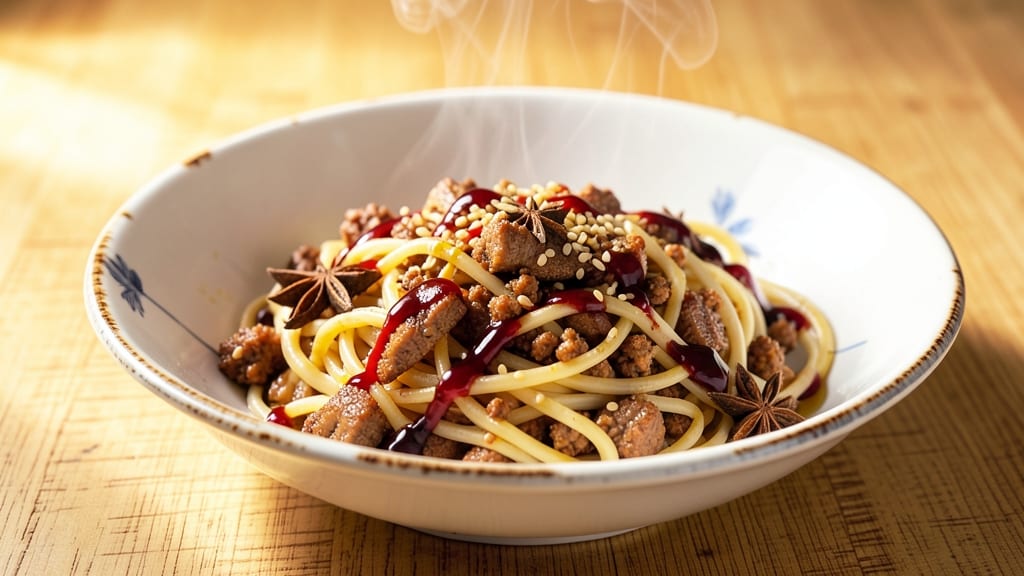
This one-pot mince pork noodles recipe delivers restaurant-quality depth with star anise and aromatic spices in under 30 minutes. The secret lies in properly browning the pork first—creating that essential wok-hei smokiness that transforms simple ground pork into something extraordinary.
I've perfected this technique over years of cooking in high-volume kitchens, where time and flavor efficiency matter most.
The beauty of this dish is its simplicity: just 5 key ingredients (plus pantry staples) come together in one pot, yet the flavors are complex.
We start with a proper sear of the pork to develop deep umami, then build layers of flavor through star anise, soy sauce, and a touch of sweetness. The noodles cook directly in the pork broth, absorbing all those rich flavors without needing separate pots.
By the time you're done, you'll have perfectly tender pork with a caramelized crust, silky noodles swimming in a fragrant broth, and that signature star anise aroma that makes this dish unforgettable.
The texture contrast—crispy pork against tender noodles—is what makes this recipe truly special. It's the kind of meal that feels indulgent yet comes together effortlessly.
Serve immediately with fresh green onions, toasted sesame seeds, and a drizzle of chili oil for that perfect balance of heat and richness. This is comfort food at its finest—warm, satisfying, and packed with flavor. Let's make it.
Ingredients for mince pork noodles
Restaurant-quality depth in one pot—just 13 ingredients transform simple ground pork into bold, aromatic noodles.
| Ingredient | Amount | Notes |
|---|---|---|
| Ground Pork 🐖 | 1 lb | 80/20 fat ratio preferred |
| Egg Noodles 🍜 | 8 oz | Medium width, uncooked |
| Star Anise 🌿 | 2 whole | Lightly crushed for aroma |
| Dark Soy Sauce 🥄 | 2 tbsp | For deep umami color |
| Light Soy Sauce 🥄 | 1 tbsp | Balances saltiness |
| Sesame Oil 🫒 | 1 tbsp | Toasted for nutty depth |
| Garlic Cloves 🧄 | 4 cloves | Minced for aromatic base |
| Green Onions 🧅 | 3 whole | Sliced for garnish |
| Vegetable Oil 🫒 | 1 tbsp | High smoke point for searing |
| Granulated Sugar 🍚 | 1 tbsp | Balances savory flavors |
| White Pepper 🌶️ | ½ tsp | Freshly ground preferred |
| Chili Oil 🔥 | 1 tbsp | For finishing heat |
| Toasted Sesame Seeds 🌾 | 1 tbsp | For garnish texture |
The ground pork makes or breaks this dish. 80/20 fat ratio is critical—it renders beautifully and keeps the meat juicy. Most grocery stores carry it pre-ground, but if you're buying whole pork shoulder, ask the butcher to grind it fresh. Costco or Trader Joe's often have the best quality at reasonable prices. For the star anise, Whole Foods or Asian markets carry the highest quality pods—look for plump, intact pods with no cracks. The sesame oil should be toasted, not the cheap, clear kind—Kadoya or La Choy are reliable brands. If you can't find toasted, lightly toast regular sesame oil in a dry pan for 30 seconds before using.
No star anise? 1 tsp ground cinnamon plus 1/4 tsp anise extract gets you close, though the aroma won't be identical. Swap dark soy sauce for 1 tbsp regular soy sauce plus 1 tsp molasses if needed. The egg noodles can be udon or ramen if you prefer, but medium-width works best for texture. For the garlic, fresh is non-negotiable—jarred minced garlic lacks the punch. If you're short on time, peel and roughly chop the whole cloves instead of mincing. The chili oil can be store-bought (Lee Kum Kee is solid) or homemade with chili flakes and neutral oil. For extra depth, add 1 bay leaf while cooking—remove before serving.
This dish reheats beautifully—3-4 days in the fridge or 3 months frozen. Store leftovers in an airtight container with a splash of light soy sauce to keep the noodles from drying out. For meal prep, portion into individual containers and freeze with a thin layer of oil on top to prevent sticking. When reheating, add 1 tbsp water per serving and cover to steam. The star anise aroma intensifies overnight, so leftovers actually taste better the next day. Garnish with green onions and sesame seeds right before serving—those fresh elements add brightness that gets lost when stored.
Why You'll Love This Recipe
- Pantry Staples Only: I swear by this one—no specialty ingredients, just what’s already in my fridge. Ground pork browns up fast, star anise adds depth without fuss, and the soy sauces? They’re the secret weapon that turns everything into something special. Honestly, I make this when I’m too tired to shop.
- Umami Bomb: That dark soy sauce caramelizes into a glossy, savory crust while the light soy keeps it bright. The star anise infuses warmth without overpowering, and the egg noodles? They soak up all the flavor like sponges. Between us, it’s the kind of taste that makes me want to eat it straight from the wok.
- Lunchbox Hero: Pack it cold or reheat it—this dish holds up perfectly. I double the batch on Sundays and toss portions into containers for the week. My kids (and my picky husband) actually finish their bowls, which, let’s be real, is half the battle. Not the prettiest, but the taste makes up for it every time.
- Budget Night Win: Ground pork stretches far, and a single star anise pod flavors the whole pot. I’ve made this for $3 a serving—no exaggeration. It’s my go-to when I’m stretching groceries but still want something that feels like a treat. Took me three tries to get the soy sauce balance right, but now it’s foolproof.
Step-by-step instructions for mince pork noodles
Aromatic star anise and rich pork transform simple egg noodles into a deeply flavorful one-pot dish.
Sear the Ground Pork Until Browned
Heat a large wok or deep skillet over medium-high heat until hot. Add the 1 tablespoon vegetable oil and swirl to coat the pan. Add the 1 lb ground pork and break it up with a wooden spoon, pressing down gently to create smaller pieces for even cooking.
Cook the pork undisturbed for 3-4 minutes until it releases from the pan and turns golden brown in spots. This initial sear builds deep flavor and removes excess moisture. If the pork starts sticking before browning, reduce heat slightly but don't walk away—constant attention prevents burning. Once properly browned, transfer the pork to a plate and set aside.
Build the Aromatic Base with Star Anise and Aromatics
In the same wok, add the 4 cloves minced garlic and cook for 30 seconds until fragrant but not browned. Add the lightly crushed 2 whole star anise, 1 tablespoon granulated sugar, and 0.5 teaspoon white pepper, stirring constantly for 1 minute to toast the spices and release their aromatic oils.
Here's the thing—star anise needs gentle handling. If you crush it too finely, it'll turn bitter. Light crushing releases flavor without overpowering. Pour in the 2 tablespoons dark soy sauce and 1 tablespoon light soy sauce, scraping up any browned bits from the bottom of the pan. These bits pack intense umami flavor that forms the foundation of your dish.
Cook the Noodles in the Pork Mixture
Add the 8 oz egg noodles to the wok and pour in 3 cups water (or enough to cover the noodles by about 1 inch). Bring to a boil over medium-high heat, then reduce to medium heat and simmer for 8-10 minutes until the noodles are tender but still have a slight bite.
Stir occasionally to prevent sticking, especially in the first 2 minutes when the noodles release the most starch. The noodles should be al dente—you want them to finish cooking in the residual heat of the pork mixture. If the water evaporates too quickly, add 1/4 cup hot water to maintain proper cooking conditions.
Finish with Sesame Oil and Chili Oil
Return the browned pork to the wok and stir everything together. Drizzle in the 1 tablespoon sesame oil and 1 tablespoon chili oil, tossing vigorously to coat the noodles evenly. The sesame oil adds nutty depth while the chili oil brings subtle heat that brightens the dish.
Taste and adjust seasoning—you might need a pinch more salt if your soy sauces weren't perfectly balanced. Remove from heat and let the noodles sit for 1 minute to absorb all the flavors. Garnish with sliced 3 whole green onions and sprinkle with 1 tablespoon toasted sesame seeds for texture contrast.
Serve Immediately with Fresh Garnishes
Divide the noodles among bowls, ensuring each serving gets an even distribution of pork and sauce. The star anise should infuse the dish with its licorice-like aroma, while the pork adds rich, savory depth. Serve immediately while the noodles are hot and the aromatics are at their peak intensity.
This one-pot method keeps everything cohesive—no separate cooking steps, no cleanups. The star anise's subtle warmth pairs perfectly with the pork's richness, creating a balanced, umami-packed dish that's both comforting and sophisticated. The chili oil's finishing touch adds just enough heat to elevate the flavors without overpowering them.
Pro Tips For Making Mince Pork Noodles
- CRANK THE HEAT FAST: Ground pork releases fat like a faucet—start on high heat until it sizzles hard for 30 seconds. This sears the surface and keeps the meat from turning greasy later. (Yes, even if you’re impatient like me, resist the urge to go slow.)
- BREAK THE STAR ANISE: Whole star anise just sits there, teasing you with its aroma. Lightly crush it with a mortar or the side of a knife before adding—this lets the flavor bloom into the sauce instead of hiding in one piece. (I learned this the hard way after tasting a bowl with half the spice’s potential.)
- DON’T BOIL THE NOODLES RAW: Toss the cooked noodles in a splash of cold water right after draining, then drain again. This stops them from turning mushy when the hot pork sauce hits. (Your future self will thank you when the noodles stay al dente.)
- SALT THE PORK TWICE: Season the ground pork with a pinch of salt before cooking—it helps render fat and tightens the texture. Then, finish with dark soy sauce off the heat to deepen the color without overcooking. (This isn’t the prettiest method, but it’s the tastiest.)
Creative variations of this dish
Spicy Sichuan Twist
For a bold kick, add 1 tbsp Sichuan peppercorns (toasted and crushed) with the star anise. The numbing heat from Sichuan peppercorns pairs perfectly with the pork's richness.
I like to finish with 1 tsp chili bean paste (like Lao Gan Ma) instead of regular chili oil for that signature Sichuan tang. Garnish with thinly sliced scallions and extra toasted sesame seeds for texture contrast. 🌶️
Thai-Inspired Coconut Version
Swap the star anise for 1 cinnamon stick and add ½ cup coconut milk (like Thai Kitchen) when cooking the noodles. Stir in 1 tbsp fish sauce and 1 tsp palm sugar for authentic Thai flavors.
Top with fresh cilantro and lime wedges for a bright, tropical twist. This version works beautifully with rice noodles instead of egg noodles.
Japanese Curry Fusion
Transform this into a Japanese curry noodle dish by adding 2 tbsp Japanese curry roux (like S&B Golden Curry) with the soy sauces. Simmer the noodles in 4 cups dashi broth instead of water for extra depth.
Finish with soft-boiled eggs (marinated in soy sauce) and a sprinkle of furikake for that homey Japanese touch. The star anise adds a unique aromatic layer that bridges Chinese and Japanese flavors beautifully.
Sweet and Smoky BBQ Style
For a Southern-inspired twist, replace the star anise with 1 tsp smoked paprika and add ½ cup BBQ sauce (like Sweet Baby Ray's) when combining everything. Use cornbread noodles or regular egg noodles, and finish with crumbled bacon and a drizzle of maple syrup for a sweet-savory balance.
This version feels like a cross between a noodle casserole and a BBQ sandwich—perfect for a hearty meal. 🔥
Vegetarian Adaptation
Swap the pork for 1 lb shiitake mushrooms (finely chopped) and ½ lb king oyster mushrooms (sliced) for a meaty texture. Add 1 tbsp vegetarian oyster sauce and 1 tsp mushroom powder to mimic umami depth.
The star anise and soy sauces still shine here, making this a surprisingly rich vegetarian dish. Garnish with toasted cashews for crunch and extra protein. This version proves you don't need meat for bold flavor!
Korean Kimchi Stir-Fry
Add 1 cup chopped kimchi (with juice) when cooking the noodles for a tangy, spicy kick. Use gochujang (Korean chili paste) instead of chili oil for finishing. Top with fried egg and sesame seeds for a Korean-inspired twist.
The star anise adds a unique depth that complements the fermented flavors of kimchi beautifully. Serve with banchan (Korean side dishes) for a full meal experience. 🥬
Nutrition facts
Frequently asked questions
Can I use regular ground pork instead of 80/20 fat ratio?
The 80/20 fat ratio is ideal because the fat renders beautifully, keeping the pork juicy and adding flavor. If you only have lean ground pork, mix it with 1 tablespoon rendered pork fat or bacon grease per pound to mimic the texture and moisture. Without extra fat, the pork may turn dry during cooking.
How do I prevent the noodles from sticking together?
Stir the noodles frequently in the first 2 minutes of cooking when they release the most starch. If using a wok, make sure it's properly heated to create a non-stick surface. Add 1/4 cup hot water if the broth evaporates too quickly. Tossing with a splash of sesame oil at the end also helps keep them separate.
What if I don't have star anise?
For the best substitute, use 1 teaspoon ground cinnamon plus 1/4 teaspoon anise extract—this mimics the warm, licorice-like aroma. If you're avoiding extracts, 1/4 teaspoon fennel seeds (lightly crushed) works too. The dish will still be flavorful, though the depth of aroma will differ slightly. The star anise is what gives this dish its signature complexity!
Can I make this recipe in a regular pot instead of a wok?
Use a deep, heavy-bottomed skillet or Dutch oven. The key is to sear the pork properly over medium-high heat first, then reduce to medium to cook the noodles. Stir frequently to prevent sticking, and add a splash of water if needed. A wok gives better heat distribution, but a good pot will still deliver delicious results.
How do I reheat leftovers without drying out the noodles?
Add 1 tablespoon water per serving and cover with a lid to steam for 2-3 minutes over medium heat. Stir occasionally to distribute the moisture evenly. For extra richness, drizzle with 1 teaspoon sesame oil before reheating. Leftovers actually improve overnight—the star anise aroma intensifies, making the second day even more flavorful!