
Main Courses
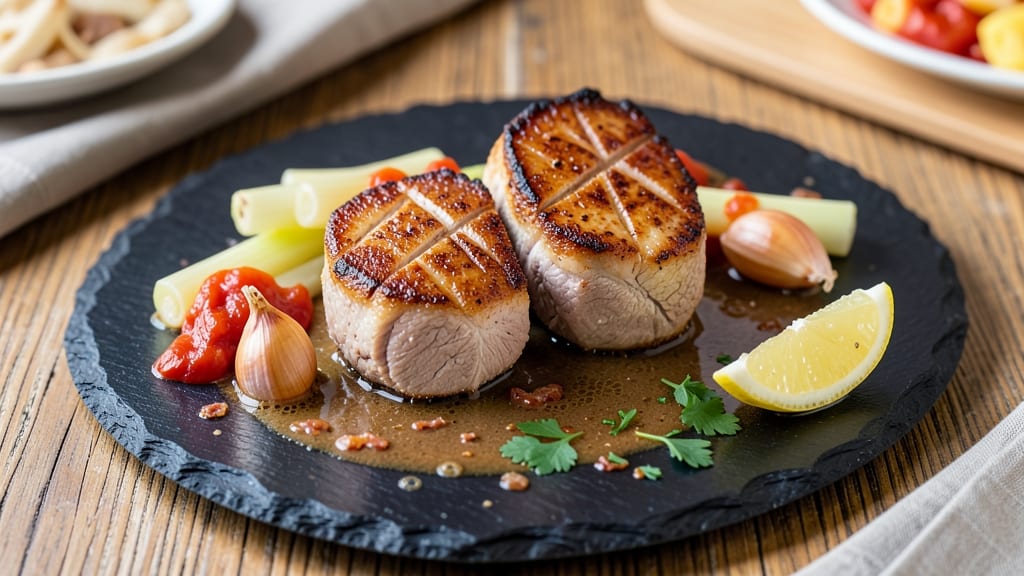
Miller's Ale House pork osso buco delivers the crispy celery crown magic that turns weeknight dinners into restaurant-worthy feasts. The secret lies in searing thick pork cutlets until golden, then slow-braising them in white wine until fork-tender—all while building layers of flavor that make every bite unforgettable.
This isn't just comfort food; it's a technique that transforms simple pork into something extraordinary.
What sets this recipe apart is the crispy celery crown—a signature technique where celery stalks are seared until caramelized and crispy, then arranged artistically on top of the braised pork.
The white wine sauce, infused with aromatics and herbs, creates a velvety finish that perfectly complements the tender meat. With proper timing and technique, you'll achieve restaurant-quality results at home.
By the time you serve this dish, you'll have perfectly seared pork cutlets with tender, juicy centers, all topped with that signature crispy celery crown. The sauce will be rich yet balanced, with just the right amount of acidity from the wine.
This is the kind of meal that commands attention and leaves everyone asking for seconds.
Pair it with creamy polenta or buttery risotto to complete the experience. The slow-braising process ensures maximum flavor development, while the crispy celery crown adds both visual appeal and satisfying texture. Let's get cooking—this is pork osso buco done right.
Ingredients for miller's ale house pork osso buco
Thick pork cutlets, crispy celery crown, and white wine braise transform simple ingredients into restaurant-quality osso buco.
| Ingredient | Amount | Notes |
|---|---|---|
| Pork Cutlets 🥩 | 1 ½ lb | Bone-in, 1-inch thick cutlets |
| Celery Stalks 🧅 | 4 whole | Trimmed, cut lengthwise for crown |
| White Wine 🍷 | 1 ½ cups | Dry, full-bodied like Pinot Grigio |
| Chicken Broth 💧 | 1 ½ cups | Low-sodium preferred |
| Tomato Paste 🍅 | 2 tbsp | Squeeze tube or canned |
| Garlic Cloves 🧄 | 6 cloves | Minced for aromatic base |
| Onion 🧅 | 1 whole | Yellow, diced for braising |
| Carrots 🥕 | 2 whole | Medium, sliced for braising |
| Fresh Rosemary 🌿 | ¼ cup | Chopped, stems removed |
| Fresh Thyme 🌿 | ¼ cup | Leaves only, stems removed |
| Olive Oil 🫒 | ½ cup | Extra-virgin for searing |
| All-Purpose Flour 🌾 | ½ cup | For dredging cutlets |
| Salt 🧂 | 1 ½ tsp | Kosher or sea salt |
| Black Pepper 🌶️ | ½ tsp | Freshly ground preferred |
| Butter 🧈 | 2 tbsp | Unsalted, for finishing sauce |
The pork cutlets are non-negotiable—bone-in, 1-inch thick pieces ensure maximum tenderness. Whole Muscle Pork from Whole Foods or your butcher delivers the best quality, but most grocery stores carry pre-cut osso buco. Look for good marbling; it's what keeps the meat juicy during slow braising. The celery crown requires fresh, crisp stalks—avoid the wilted kind at the store's back. Buy a bunch and use the rest in soups or stir-fries. For the white wine, Pinot Grigio or Sauvignon Blanc work perfectly—they balance the richness without overpowering.
No white wine? Chicken broth with a splash of apple cider vinegar mimics the acidity beautifully. Fresh herbs are ideal, but dried rosemary and thyme at half the amount will work in a pinch. The tomato paste can be skipped if you prefer a cleaner sauce, though it adds depth. For the celery crown, cut the stalks lengthwise into 1/4-inch strips—this creates more surface area for crisping. The flour dredge is crucial for that golden crust, so don't skip it. If you're short on time, Italian seasoning in the flour adds extra flavor without extra steps.
Pork cutlets can be prepped a day ahead—pat dry and refrigerate uncovered for better searing. The celery crown crisps best when seared fresh, so save this step for last. Leftover braising liquid makes a fantastic sauce for pasta or polenta—freeze portions for up to 3 months. Store the pork in its sauce for 4-5 days in the fridge, but reheat gently to preserve the crispy celery crown. For extra crispiness, broil the celery crown for 2-3 minutes before serving.
Why You'll Love This Recipe
- One-Pot Magic: I swear by this recipe because it’s one pot—no fussing with multiple pans or sauces. The pork cutlets sear right in the same dish where the wine and broth reduce into that rich, velvety sauce. Honestly, I’ve made this on nights when I just wanted to sit down and eat, not clean.
- Wine-Infused Depth: That splash of white wine isn’t just for flavor—it’s the secret weapon. It deglazes the pan, lifts the celery and tomato paste into something ridiculously good, and leaves you with a sauce that’s bright yet deep. The broth ties it all together like a warm hug in a bowl.
- Weeknight to Weekend: Between us, this is my go-to for anything. Too tired for dinner? Toss it together. Hosting friends? It’s fancy enough to impress. Even my picky teenage nephew asks for seconds—(yes, even on a Tuesday night).
- Leftovers That Shine: The sauce only gets better the next day. I’ve reheated this for lunch, packed it for work, and even used it to top mashed potatoes. The pork stays tender, the flavors meld, and it’s half the cost of takeout. Budget-friendly? More like budget-smart.
Step-by-step instructions for miller's Ale House-style pork osso buco
Master this technique and you'll achieve tender, fall-apart pork with crispy celery crowns every time.
Prepare the Pork Cutlets for Perfect Browning
Pat the 1.5 lb pork cutlets completely dry with paper towels—this is critical for crispy searing. Season both sides generously with 1.5 tsp salt and 0.5 tsp black pepper, pressing the seasoning into the meat. Let them sit at room temperature for 15 minutes while you prepare the dredge.
In a shallow dish, combine the 0.5 cup all-purpose flour with an additional 0.5 tsp black pepper. Dredge each cutlet lightly in the flour mixture, shaking off any excess. The thin, even coating will create that golden crust we're after when we sear them. Don't skip this step—it's what gives osso buco its signature texture.
Sear the Cutlets Until Deep Golden Brown
Heat a heavy skillet over medium-high heat until it's smoking hot. Add 0.5 cup olive oil and swirl to coat the pan evenly. Working in batches if needed, add the cutlets and sear for 3-4 minutes per side until they develop a deep golden brown crust. You want that crust to be firm enough that it resists when you press gently with tongs—this ensures it won't fall apart during braising.
Remove the cutlets from the pan and set them aside on a plate. Don't clean the pan yet—those browned bits are pure flavor. Reduce the heat to medium and add 2 tbsp butter, letting it foam and bubble for 30 seconds before removing from heat. We'll use this butter later to finish our sauce.
Build the Celery Crowns and Aromatic Base
Cut the 4 whole celery stalks lengthwise through the crown (the leafy top) to create four celery crowns. These will become our crispy garnish. Set them aside on a separate plate. In the same skillet, add 0.5 cup olive oil and heat over medium heat. Add the 1 whole onion (diced) and 2 whole carrots (sliced) and cook for 5 minutes until softened but not browned.
Add the 6 cloves garlic cloves (minced) and cook for 30 seconds until fragrant. Stir in the 2 tbsp tomato paste and cook for another 1 minute until it darkens slightly. This aromatic base forms the flavor foundation for our braise—don't rush this step as it develops depth of flavor.
Deglaze and Braise the Pork
Pour in the 1.5 cups white wine and scrape up all those browned bits from the bottom of the pan with a wooden spoon. This deglazing captures all the concentrated flavor. Let the wine simmer for 3-4 minutes until reduced by half. Add the 1.5 cups chicken broth, 0.25 cup fresh rosemary (chopped), and 0.25 cup fresh thyme (leaves only). Bring to a gentle simmer.
Return the seared cutlets to the skillet, along with any accumulated juices. Partially cover the skillet and transfer to a 325°F oven. Braise for 2-2.5 hours until the pork is fork-tender and the sauce has thickened. The cutlets should pull apart easily when tested with a fork—this is our indicator of perfect doneness.
Finish with Crispy Celery Crowns and Rich Sauce
While the pork braises, heat a separate skillet over medium heat with 2 tbsp olive oil. Add the celery crowns and cook for 2-3 minutes per side until they become crispy and golden brown. Remove and set aside on a paper towel-lined plate to drain excess oil.
Return the pork cutlets to the braising liquid and increase the heat to medium-high. Simmer uncovered for 5-7 minutes to reduce the sauce slightly. Stir in the 2 tbsp butter and taste, adjusting seasoning if needed. To serve, place each cutlet on a plate, top with crispy celery crowns, and ladle the rich braising sauce over the top. The contrast of tender pork with crispy celery crowns is what makes this dish exceptional.
Pro Tips For Making Miller'S Ale House Pork Osso Buco
- SEAR THE PORK HARD: The first 3 minutes in the pan should be aggressive—no wimping out on the heat. A deep, brown crust locks in flavor and keeps the meat from drying out later, especially when you’re braising for hours. (Yes, even if you’re impatient like me.)
- SWEAT THE VEGETABLES LOW: Celery and onions (if you’re using them) need 8-10 minutes on low heat to soften without turning to mush. If you rush this, they’ll release bitter juices into the wine and broth, making the whole sauce taste off. (I learned this the hard way after a glass of wine and a sad pot.)
- DON’T SKIP THE TOMATO PASTE TOAST: Cook that tomato paste with the garlic and herbs until it’s deep red and smells like a Sunday dinner. Skipping this step leaves it raw-tasting, and the sauce will never thicken properly. (Sounds weird, but it works—trust the process.)
- DEGLAZE WITH COLD WINE: Pour the white wine over the hot pan after removing the pork—it’ll sizzle and pop like a firework. If you add it while the meat’s still in there, you’ll just steam the pork instead of building flavor. (Your future self will thank you.)
Troubleshooting this recipe
Pork Too Tough?
If your pork cutlets aren't tender after braising, you likely didn't cook them long enough or at the right temperature. Pork osso buco needs 2-2.5 hours at 325°F—any less and the connective tissue won't break down.
I've seen home cooks rush this step, thinking "medium" heat on the stovetop is equivalent to oven braising. It's not. Use an oven thermometer to confirm your oven's accuracy, as some run hot or cold. 🌡️
Sauce Too Thin?
A watery sauce usually means you didn't reduce the wine enough before adding broth. Always reduce the 1.5 cups white wine by half (about 3-4 minutes of simmering) before adding liquids. For extra thickness, remove the pork and simmer the sauce uncovered for an additional 5-7 minutes after braising.
A splash of 1 tbsp tomato paste stirred in during the final reduction can also help bind the sauce. I've even used a cornstarch slurry (1 tsp cornstarch + 1 tbsp cold water) as a last resort.
Celery Crowns Not Crispy?
The celery crowns are the showstopper—if they're soggy, they're not crispy. Cook them in a separate skillet over medium heat with just enough oil to coat the pan (about 2 tbsp). Crowding the pan steams them instead of crisps them.
For extra crunch, broil the crowns for 2-3 minutes in the final minute before serving. I've also found that cutting the celery crowns slightly thinner (about ¼-inch strips) ensures even cooking and maximum crispiness. 🧅
Wine Flavor Disappearing?
If your sauce tastes bland or like broth, you likely didn't deglaze properly. After searing the pork, scrape every last bit from the pan with a wooden spoon—those browned bits are packed with flavor.
Also, avoid using cheap wine; a $10 Pinot Grigio will taste better than a $200 bottle if you don't deglaze correctly. For extra depth, add 1 tsp balsamic vinegar with the wine to enhance the acidity and complexity.
I've even used a splash of pasta water (yes, really) to add umami if the sauce feels flat.
Pork Overcooking Risk?
Pork osso buco is forgiving, but overcooking turns it dry. The internal temperature should reach 195-200°F—any hotter and the meat will shrink. If your pork is done before the sauce is reduced, remove it from the pan and tent it with foil while you finish the sauce.
For extra insurance, I like to check doneness at 2 hours—if it's not quite there, add ¼ cup more broth and return to the oven for another 30 minutes. The pork will continue cooking slightly even after removing it from the heat.
Sauce Too Salty?
Salt builds up during braising, so taste the sauce before adding the pork back in. If it's too salty, dilute it with ¼ cup additional broth or stir in 1 tbsp lemon juice to balance the flavor.
For a sweeter contrast, add 1 tsp honey or 1 tsp sugar to offset the saltiness. I've also used a pinch of baking soda (just a tiny amount!) to neutralize excess salt—it works like a miracle in sauces. 💡
Nutrition facts
Frequently asked questions
Can I substitute pork tenderloin for the bone-in cutlets?
I don't recommend it—the bone-in cutlets are essential for that classic osso buco texture. Tenderloin will cook too quickly and won't develop the same rich, fall-apart tenderness. If you must use a leaner cut, look for pork shoulder cutlets (about 1.5 inches thick) and increase braising time by 30 minutes. The bone helps retain moisture and adds depth of flavor that's hard to replicate.
How do I make this recipe vegetarian?
This dish relies on pork's rich flavor, but you can adapt it with hearty portobello mushrooms or firm tofu cutlets. Use the same searing and braising technique, but add 1 tbsp soy sauce to the wine mixture for umami. For the celery crown, keep it crispy as-is—it's the perfect vegetarian garnish! The sauce will still work beautifully with these alternatives.
What's the best way to reheat leftovers?
Reheat gently in a skillet with a splash of broth or water over low heat for 5-7 minutes—never microwave. For the celery crown, crisp it fresh in a dry pan for 1-2 minutes before serving. The pork will stay tender if you don't overheat it, and the sauce will maintain its richness. Store leftovers in the fridge for up to 4 days with the sauce covering the meat.
Can I use red wine instead of white?
Technically yes, but it will change the dish's character. Red wine adds more tannins that can make the sauce bitter. If you do use red, choose a light-bodied Pinot Noir and add 1 tbsp lemon juice to brighten the flavors. For best results, stick with white wine—it complements the pork's richness without overpowering it. The acidity in white wine also helps tenderize the meat during braising.
What sides pair best with this dish?
Creamy polenta or buttery risotto are classic pairings that soak up the rich sauce beautifully. For a lighter option, try roasted fingerling potatoes or a crisp green salad with lemon vinaigrette. The crispy celery crown also works wonderfully with warm crusty bread** to mop up every last bit of sauce. I often serve it with a simple arugula salad to cut through the richness.