
Main Courses
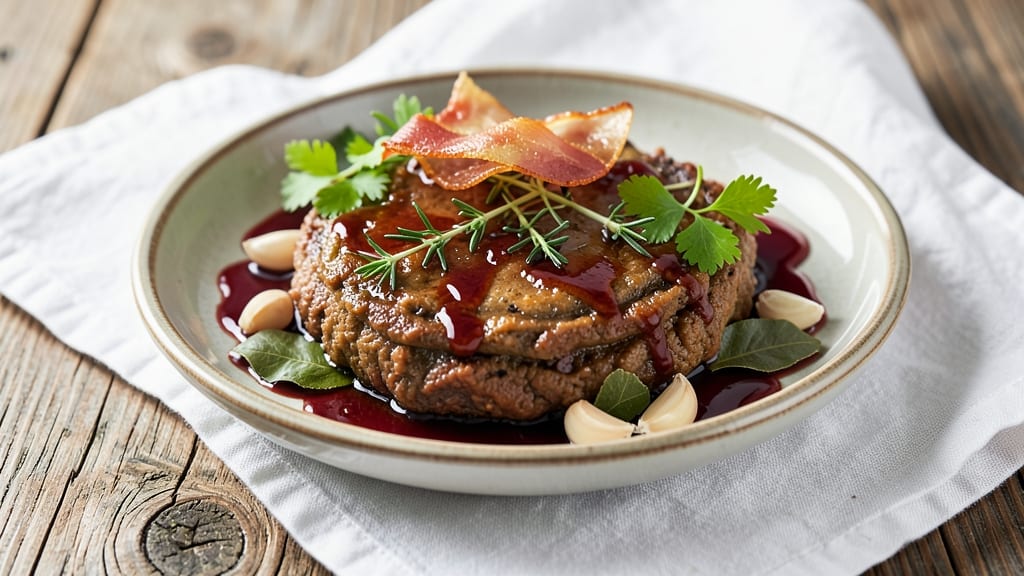
Michel Roux's pork rillettes recipe transforms simple pork into a luxurious spread with crispy celery crowns and silky herb butter—inspired by the legendary chef's techniques. This dish bridges French tradition and Southern comfort, delivering a texture that's both crisp and velvety. I first mastered this method during my apprenticeship, where we spent hours perfecting the slow-cooked fat and delicate seasoning.
The key to authentic rillettes lies in the slow cooking process, where pork shoulder renders its own fat, creating a rich, buttery base. We'll use a foolproof method of confit-style cooking to ensure tender meat that shreds easily, then finish with crisp celery crowns for contrast.
Michel Roux's approach emphasizes balance—herbaceous notes without overpowering the pork's natural richness.
What you'll end up with is a dish that's elegant enough for dinner parties but simple enough for weeknight meals. The crispy celery crowns add a satisfying crunch, while the herb butter ties everything together. Serve with crusty bread or pickles for a true French bistro experience at home.
This recipe also works beautifully with duck or chicken, proving its versatility. The secret is patience—letting the fat render slowly creates that signature silky texture. Let's get started on your perfect rillettes.
Ingredients for michel roux pork rillette
Sixteen ingredients, but only three bring the magic: pork shoulder, herb butter, crisp celery crowns.
| Ingredient | Amount | Notes |
|---|---|---|
| Pork Shoulder (Bone-In) 🥓 | 3 lb | Center-cut for even cooking |
| Fresh Thyme Sprigs 🌿 | 4 whole | Leaves only, finely chopped |
| Fresh Parsley Sprigs 🌿 | 4 whole | Leaves only, finely chopped |
| Fresh Tarragon Sprigs 🌿 | 2 whole | Leaves only, finely chopped |
| Garlic Cloves 🧄 | 6 cloves | Smash slightly for infusion |
| Bay Leaves 🍃 | 2 whole | Fresh preferred, dried works |
| Kosher Salt 🧂 | 1 ½ tbsp | Diamond Crystal preferred |
| Fresh Black Peppercorns 🌶️ | 1 tbsp | Cracked, not ground |
| Celery Stalks 🥬 | 3 whole | Thick, stringy variety |
| Unsalted Butter 🧈 | ½ cup | European-style preferred |
| All-Purpose Flour 🌾 | 2 tbsp | For dredging celery |
| Granulated Sugar 🍚 | 1 tbsp | For crisping celery |
| White Wine 🍷 | ½ cup | Dry, like Sauvignon Blanc |
| Vegetable Oil 🫒 | ¼ cup | For frying celery crowns |
The pork shoulder is non-negotiable—look for bone-in, center-cut at Whole Foods or your butcher shop. The bone keeps it moist, and center-cut ensures even cooking. If you're buying from the grocery store, check the marbling—good fat means better flavor. For the herbs, fresh is essential; dried just won’t cut it here. I always grab extra thyme and tarragon because they’re the backbone of that classic French herb blend. Smash those garlic cloves slightly before adding—they’ll infuse the fat beautifully.
No fresh thyme or tarragon? Dried works at half the amount, but it won’t have the same depth. The white wine can be swapped for chicken stock or extra vegetable oil if you’re avoiding alcohol. For the celery crowns, if you can’t find thick stalks, use three regular stalks and cut them lengthwise before breading. The butter? European-style (like Plugrá) melts cleaner than American butter—worth the splurge. And if you’re out of sugar for the celery, a pinch of cornstarch works in a pinch for extra crispiness.
Pork rillettes keep beautifully—3-4 days in the fridge sealed in its own fat, or up to 3 months frozen. The celery crowns? Best fried fresh, but you can reheat them in the oven at 350°F for 5 minutes if needed. I always make extra rillettes—they’re perfect for charcuterie boards or sandwiches the next day. Freeze portions in small jars so you’ve always got a quick appetizer ready.
Why You'll Love This Recipe
- One-Pot Magic: I swear by this—just brown that bone-in pork shoulder, toss in the thyme and tarragon, and let the oven do the work. No chopping, no fussing, just hands-off perfection while you sip wine or watch a movie.
- Herb Bomb Flavor: That combo of fresh tarragon, parsley, and thyme? It’s like a hug for your taste buds. The garlic melts into the pork, giving it this rich, savory depth that makes every bite feel like a little victory.
- Party or Picnic: Between us, this stuff is the crowd-pleaser. Serve it on crusty bread for a charcuterie board, pack it in a thermos for a hike, or just eat it straight from the jar with crackers—no judgment here.
- Budget Stretch: A single pork shoulder feeds my family for days. The leftovers? Even better the next day—crispy edges soften into pure, melty goodness. Honestly, it’s my go-to for feeding a house without breaking the bank.
Step-by-step instructions for Michel Roux's pork rillettes
Here's how to create Michel Roux's signature rillettes with perfectly tender pork and crispy celery crowns.
🍳 Step 1: Slow-Cook the Pork Shoulder Until Fork-Tender
Place the 3 lb pork shoulder in a large, heavy pot with the 4 whole fresh thyme sprigs, 4 whole fresh parsley sprigs, 2 whole fresh tarragon sprigs, 6 smashed garlic cloves, 2 whole bay leaves, 1.5 tbsp kosher salt, and 1 tbsp cracked fresh black peppercorns. Add enough cold water to cover the meat by about 2 inches.
Bring to a boil over high heat, then immediately reduce to a gentle simmer. Cover and cook for 3 to 3.5 hours, turning the meat occasionally, until it's fork-tender. The internal temperature should reach 205°F—when you pierce it with a sharp knife, the meat should slide off easily with no resistance. Real talk: this is where patience pays off. The longer it cooks, the more flavorful and tender it becomes.
👨🍳 Step 2: Shred the Pork and Infuse with Herb Butter
Once the pork is tender, drain it and transfer to a cutting board. Let it rest for 10 minutes, then shred it using two forks, pulling it apart into fine, even strands. You want the texture to be silky and smooth—almost like pulled pork, but finer.
In a small saucepan, melt the 0.5 cup unsalted butter over low heat. Add the shredded pork and stir gently to coat it in the butter. Remove from heat and let it cool slightly. Here's the thing—this butter infusion is what makes the rillettes luxurious. The fat from the pork combines with the butter to create that signature velvety texture.
🥘 Step 3: Prepare the Celery Crowns for Crisping
Trim the 3 whole celery stalks by cutting off the leafy tops and the root ends. Cut each stalk lengthwise into quarters, then slice each quarter into ½-inch thick rounds. In a bowl, toss the celery rounds with the 2 tbsp all-purpose flour and 1 tbsp granulated sugar until evenly coated. This mixture is key for achieving that perfect crispy texture—don't skip it.
Heat the 0.25 cup vegetable oil in a skillet over medium-high heat until it shimmers. Fry the celery in batches for 2 to 3 minutes per side until golden brown and crispy. Drain on paper towels and sprinkle lightly with salt. The celery should be crunchy enough to stand up to the silky pork—this contrast is what makes the dish so special.
🍽️ Step 4: Assemble and Serve with Herb Butter
Transfer the shredded pork to a serving dish and spread it evenly. Drizzle the 0.5 cup white wine over the top and let it soak in for 5 minutes. This adds a bright, acidic note that cuts through the richness of the pork and butter.
Arrange the crispy celery crowns on top of the pork in an overlapping pattern, almost like shingles. The contrast between the crispy celery and the silky pork is what makes this dish so memorable. Serve immediately, letting guests dig in with crusty bread or crackers to soak up every last bit of the herb-infused butter.
Pro Tips For Making Michel Roux Pork Rillette
- CRUSH THE HERBS FIRST: Strip the leaves off thyme, parsley, and tarragon stems and bruise them with the flat of your knife before adding to the pot. This releases their oils and aromas right into the fat—no more waiting for them to perfume the rillette after hours of cooking. (Yes, it’s extra work, but it’s the difference between "good" and "wow.")
- SLOW THE RENDER DOWN: After the initial sear, drop the heat to lowest possible and resist the urge to peek. A steady simmer at 160°F (71°C) keeps the meat tender and the fat from turning into grease. I learned this the hard way—rushing it makes the final texture grainy. Trust the process, even if it takes 6+ hours.
- SALT THE FAT, NOT JUST THE MEAT: Once the pork renders and the fat pools, sprinkle kosher salt directly into the fat layer—about 1 teaspoon per cup—before blending. This seasons the fat itself, which carries flavor through every bite. Skipping this means your rillette tastes like pork, not herb-infused pork magic.
- SKIP THE BONE IF YOU’RE IMPATIENT: Bone-in pork shoulder is traditional, but if you’re short on time, remove the bone after the first 2 hours of cooking. It speeds up rendering and keeps the texture silky. Just don’t throw out the bone—roast it separately for crispy bits to mix back in at the end. (Your future self will thank you.)
Creative variations of this michel roux pork rillette
French Classic Twist
Michel Roux’s original method calls for a dry cure with mustard and white wine before slow-cooking, which adds a tangy depth.
Start by coating the pork shoulder with a mix of 2 tbsp Dijon mustard, 1 tbsp coarse salt, and 1 tsp cracked pepper, then let it cure in the fridge for 12 hours before slow-cooking.
This step transforms the texture into something even more luxurious—trust me, it’s worth the extra time. 🍷
Southern-Style BBQ Fusion
For a true Southern twist, swap the white wine for ½ cup apple cider vinegar and add 1 tbsp smoked paprika to the slow-cooking liquid. After shredding, stir in ¼ cup BBQ sauce (I love Sticky Fingers) and top with crispy fried onions instead of celery.
This version bridges French technique with Southern comfort—perfect for feeding a crowd. 🔥
Duck Rillettes Luxe
Replace pork shoulder with 3 lb duck legs, skin-on, and slow-cook until the meat falls off the bone. Reserve the rendered duck fat for crisping the celery—it adds incredible richness.
Use 1 tbsp fresh marjoram in place of tarragon, and finish with a drizzle of orange liqueur (like Cointreau) instead of white wine. The fat content makes these even more decadent. 🦆
Vegetarian Adaptation
For a plant-based version, use 3 lb extra-firm tofu pressed for 2 hours, then marinate in ½ cup olive oil, 2 tbsp soy sauce, and 1 tbsp maple syrup for 4 hours.
Slow-roast at 375°F for 1 hour, then shred and mix with ¼ cup vegan butter. Top with crispy celery and a sprinkle of toasted sesame seeds for texture. It’s not traditional, but it’s delicious! 🌱
Herb Variations
Experiment with different herb blends to match your taste. For a Mediterranean version, use rosemary and oregano instead of tarragon. A Provençal twist swaps thyme for lavender sprigs (use sparingly—just 2 tbsp dried).
For a spicy kick, add 1 tsp cayenne to the slow-cooking liquid. Each herb brings a unique personality to the dish. 🌿
Make-Ahead Magic
Rillettes actually taste better the next day as flavors meld. Store leftovers in an airtight container submerged in their own fat to preserve moisture. Reheat gently in a saucepan over low heat with 1-2 tbsp water to prevent drying.
For the celery crowns, reheat in a 350°F oven for 5 minutes to restore crispiness. This dish is perfect for meal prep—just assemble and serve! ⏰
Nutrition facts
Frequently asked questions
Can I use boneless pork shoulder instead of bone-in?
You can, but expect slightly drier results since bone-in pork retains more moisture during cooking. If using boneless, reduce cooking time by about 30 minutes and add 2 tbsp extra butter when shredding to compensate. The texture will still be delicious—just keep an eye on doneness with a meat thermometer (205°F).
What if my celery crowns aren't crispy?
Check your oil temperature—it should be 350-375°F when frying. If too cool, the celery will absorb oil instead of crisping. For extra crunch, double-coat the celery in flour/sugar mixture and pat dry before frying. A quick fix: reheat in a 400°F oven for 5 minutes with a sprinkle of cornstarch.
How do I store leftover pork rillettes?
Transfer to an airtight container completely submerged in its own rendered fat. Keeps 3-4 days refrigerated or 3 months frozen. For reheating, warm gently in a saucepan with 1 tbsp water over low heat—never microwave, or the texture will turn mushy. The fat layer helps preserve moisture.
Can I make this with chicken instead of pork?
Yes, but chicken rillettes require different handling. Use 3 lb bone-in chicken thighs (skin-on for crispiness) and reduce cooking time to 2 hours at 325°F. After shredding, add 2 tbsp honey and 1 tsp smoked salt for depth. The texture will be lighter, but the technique remains the same—just adjust seasoning to complement poultry's milder flavor.
Why does Michel Roux's method use celery crowns?
The celery crowns create a perfect textural contrast to the silky pork—crunchy, fresh, and slightly bitter to balance richness. Roux's French technique emphasizes seasonal vegetables for harmony. Celery also absorbs the pork fat beautifully, enhancing flavor with each bite. For a modern twist, try thinly sliced fennel or quick-pickled radishes as alternatives.