
Main Courses
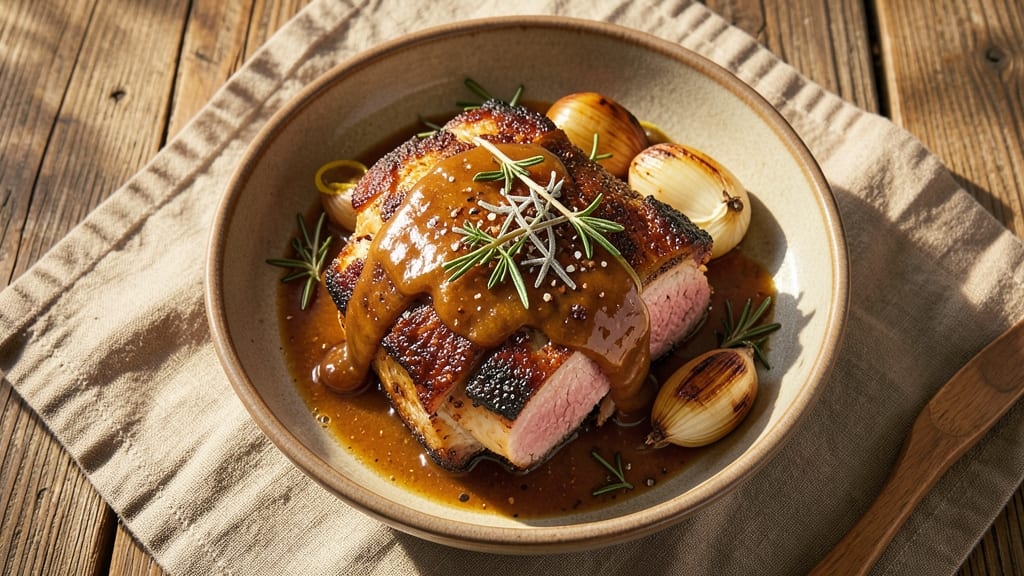
Michael Symon’s pork shoulder recipe transforms a tough cut into melt-in-your-mouth perfection through slow braising—juicy, tender, and packed with deep, caramelized flavor. As someone who’s cooked thousands of pounds of pork, I can tell you this method delivers restaurant-quality results at home with minimal effort.
The secret lies in patience: letting the collagen break down over hours until the meat practically falls apart at the touch of a fork.
Symon’s approach begins with a simple brine that keeps the meat moist, followed by a dry rub of bold spices that develop into a flavorful crust during the slow cook.
What makes this recipe truly special is the balance—crispy edges on the outside, tender meat on the inside, all achieved without a smoker or fancy equipment. The key is maintaining a steady temperature and letting the pork rest before shredding, ensuring every bite is moist and flavorful.
This dish pairs beautifully with classic sides like creamy mashed potatoes, tangy applesauce, or a crisp green salad to cut through the richness. The leftovers? Even better the next day, making this an ideal meal for feeding a crowd or prepping ahead.
Whether you're hosting a weekend gathering or simply craving comfort food, this pork shoulder will become your go-to recipe.
With just a few simple ingredients and a slow cooker or oven, you’ll achieve results that taste like they came from one of Symon’s Cleveland restaurants. The technique is foolproof, and the satisfaction of serving a dish this impressive at home is unmatched.
Let’s get started on creating pork shoulder that’s worth braising for.
Ingredients for michael symon pork shoulder
Six pounds of pork shoulder and a handful of pantry staples transform into restaurant-quality comfort food.
| Ingredient | Amount | Notes |
|---|---|---|
| Pork Shoulder (Bone-In) 🐖 | 6 lb | Fresh cut, 2-3 inches thick |
| Kosher Salt 🧂 | ½ cup | Non-iodized, coarse grain |
| Brown Sugar 🍯 | ¼ cup | Light or dark variety |
| Black Peppercorns 🌶️ | 2 tbsp | Freshly cracked preferred |
| Garlic Cloves 🧄 | 8 whole | Peeled, smashed slightly |
| Fresh Thyme 🌿 | ¼ cup | Stems removed, chopped |
| Fresh Rosemary 🌿 | ¼ cup | Needles finely chopped |
| Apple Cider Vinegar 🍎 | ½ cup | For brine acidity |
| Beef Broth 🍲 | 2 cups | Low-sodium preferred |
| Yellow Onion 🧅 | 1 whole | Peeled, quartered |
| Carrot 🥕 | 2 whole | Peeled, chopped |
| Celery Stalks 🥬 | 2 whole | Trimmed, chopped |
| Olive Oil 🫒 | ¼ cup | Extra-virgin for richness |
| Fresh Bay Leaf 🌿 | 2 whole | Dried works in pinch |
The pork shoulder is the star here, and bone-in cuts deliver the best flavor and moisture. Look for a piece with good marbling and ask your butcher to trim excess fat if needed—Costco or local meat counters usually have excellent selections. Freshness matters: the meat should smell clean and have a bright red color. For the spices, Penzeys or bulk bins at Whole Foods offer the highest quality, but regular grocery store options work fine. The key is using freshly cracked peppercorns and whole spices whenever possible—they make all the difference in flavor development during the long cook.
No apple cider vinegar? White vinegar or lemon juice work in a pinch, though apple cider adds subtle complexity. Swapping beef broth for chicken broth changes the flavor profile slightly, but it still works. The vegetables (onion, carrot, celery) are just for flavor—you can use whatever's in your crisper drawer, but they help build a rich braising liquid. For the herbs, dried thyme and rosemary work at half the amount if you're short on fresh. The brown sugar isn't just for sweetness—it helps caramelize the crust during the slow cook, creating that perfect balance of sweet and savory Symon's style.
This recipe is all about patience and planning. The pork can be prepped a day ahead and refrigerated overnight in the brine—it actually improves the flavor. After braising, let the meat rest for at least 30 minutes before shredding; this ensures juicy, tender pulls every time. Leftovers keep beautifully for 5-6 days in the fridge or 3 months frozen. I always make double batches—perfect for sandwiches, tacos, or feeding a crowd. The braising liquid reduces to a rich sauce that's worth saving for another meal.
Why You'll Love This Recipe
- Foolproof Prep: I swear by this method—just salt, sugar, and peppercorns rubbed into the pork before a slow cook. No fancy marinades, no stressing over timing. The bone-in cut does all the heavy lifting while I sip coffee and scroll through my phone.
- Sweet-Savory Magic: That brown sugar crust? It’s the secret weapon. Caramelized edges with tender, juicy meat inside—like a hug for your taste buds. The garlic cloves tucked into the crevices release their aroma while cooking, turning every bite into a little flavor explosion.
- Leftovers That Shine: This recipe practically begs to be made in bulk. Shred the pork for tacos, sandwiches, or even loaded baked potatoes the next day. Honestly, I’ve turned this into breakfast burritos when I’m lazy, and nobody complains.
- Budget Breakthrough: A bone-in pork shoulder is cheaper than chicken thighs, and it feeds a crowd. Between us, I’ve stretched this into four meals without breaking the bank—plus, the sugar and spices cost pennies. Smart cooking at its finest.
Step-by-step instructions for Michael Symon's pork shoulder
Here's the method that delivers melt-in-your-mouth pork every time—slow, patient, and packed with flavor.
Prepare the Dry Rub and Brine the Pork
In a bowl, combine the 0.5 cup kosher salt, 0.25 cup brown sugar, 2 tbsp freshly cracked black peppercorns, 0.25 cup chopped fresh thyme, 0.25 cup chopped fresh rosemary, and 8 smashed garlic cloves. Mix thoroughly until evenly distributed. Pat the 6 lb bone-in pork shoulder completely dry with paper towels—this is critical for crispy bark later.
Apply half of the dry rub directly to the pork, pressing it into the meat so it adheres well. In a separate container, mix the remaining rub with the 0.5 cup apple cider vinegar to create a paste. Coat the pork evenly with this mixture, ensuring every inch is covered. Place the pork in a resealable bag and refrigerate for 12-24 hours, turning occasionally. This step ensures deep flavor penetration and tender meat.
Sear the Pork for Maximum Flavor
Remove the pork from the fridge and let it sit at room temperature for 30 minutes. Heat a Dutch oven over medium-high heat and add the 0.25 cup olive oil. Once the oil shimmers, carefully place the pork shoulder fat-side down in the pot. Sear for 10-12 minutes until the fat renders and the skin develops a deep golden-brown crust. Flip the pork and sear the other side for another 5 minutes. Remove the pork and set it aside.
In the same Dutch oven, add the 1 peeled and quartered yellow onion, 2 peeled and chopped carrots, and 2 trimmed and chopped celery stalks. Sauté for 5 minutes until the vegetables begin to soften. This step builds a flavorful base for the braise.
Slow-Braise Until Fork-Tender
Return the seared pork to the Dutch oven, fat-side up. Pour in the 2 cups beef broth and add the 2 fresh bay leaves. Bring the liquid to a simmer, then reduce heat to low, cover tightly, and transfer to a 325°F oven. Braise for 3-4 hours, or until the pork reaches an internal temperature of 195-203°F and the meat pulls apart easily with two forks.
Here's the thing—patience is key. The pork will hit a stall around 165°F, where the temperature plateaus. This is normal. The meat will continue cooking and become fork-tender as it rests. Avoid opening the oven or lifting the lid during this time to prevent losing heat and moisture.
Rest and Shred for Juicy Perfection
Once the pork reaches the target temperature, remove it from the oven and let it rest, covered, for 30-60 minutes. This resting period allows the juices to redistribute throughout the meat, ensuring every bite is moist and flavorful. Use two forks to shred the pork directly in the Dutch oven, discarding any large fat chunks or bones.
Strain the braising liquid through a fine-mesh sieve into a saucepan and simmer over medium heat until slightly thickened. If the sauce is too thin, reduce it further or whisk in a tablespoon of cornstarch mixed with water to achieve the desired consistency. Taste and adjust seasoning with additional salt or pepper if needed.
Serve with Confidence
Transfer the shredded pork to a serving platter and drizzle generously with the reduced braising liquid. Garnish with additional chopped fresh thyme and rosemary for a pop of color and freshness. Serve immediately with the pan juices spooned over the top, alongside your favorite sides like mashed potatoes, crusty bread, or roasted vegetables.
The result should be pork that falls apart at the touch, infused with deep, smoky, and slightly sweet flavors. Each bite should be juicy, tender, and packed with the rich essence of slow-cooked goodness—just as Michael Symon would serve it.
Pro Tips For Making Michael Symon Pork Shoulder
- CRANK THE HEAT FIRST: That pork shoulder needs a proper sear—get your pan screaming hot before adding the meat. I learned this the hard way when my first batch turned out soft instead of crispy. Two minutes per side with that pan smoking is non-negotiable.
- SMASH THOSE GARLIC CLOVES: Don’t just toss whole cloves into the pan. Smash them with the flat side of your knife first—this releases more flavor and fries up faster. My grandmother swore by this, and she was right: it makes a real difference in the sauce.
- DON’T SKIP THE REST: After roasting, let that pork shoulder sit under foil for at least 20 minutes. I know, I know—you’re hungry now—but cutting into it too soon means dry, sad meat. Trust the process.
- USE THE FAT, NOT JUST THE SUGAR: That brown sugar is great, but don’t ignore the rendered fat from the pork. After searing, scrape up the browned bits with the sugar and garlic—it’s the base of your sauce. I skip this when I’m lazy, but the dish is noticeably better when I don’t.
Troubleshooting your michael symon pork shoulder
Temperature Stall Fix
The most common issue with pork shoulder is hitting the 165°F stall where the internal temperature plateaus for hours. This is normal, but I’ve found wrapping the pork in double-thick aluminum foil at 165°F (after 2-3 hours) helps push it through faster.
The foil traps steam and moisture, accelerating the cooking process. Just don’t overwrap—leave a little air pocket to prevent soggy bark. 🌡️
Prevent Dry Meat
Overcooking is the enemy of juicy pork. Use a meat thermometer (I swear by ThermoWorks Smoke) and remove the pork when it hits 195-203°F. The meat will continue cooking as it rests, so don’t wait for it to climb higher.
If your pork feels dry after shredding, the braising liquid likely needs more fat—add 2 tbsp olive oil to the pan before reducing it. Trust me, this makes all the difference.
Uneven Cooking
If one side of your pork shoulder cooks faster than the other, flip it halfway through the braise. I usually rotate it bone-side down after 2 hours to ensure even heat distribution. Another trick?
Place the Dutch oven on a wire rack in the oven instead of directly on the rack—this allows heat to circulate more evenly around the pot. Uneven cooking often happens when the oven isn’t calibrated properly, so check your thermometer with an oven thermometer to confirm accuracy.
Bark Not Crispy
For that perfect crispy bark, pat the pork completely dry before applying the rub—no wet spots! Also, sear it at medium-high heat until the fat renders and the skin turns deep golden brown.
If your bark isn’t crispy, try increasing the sear time by 2-3 minutes per side or using a cast-iron skillet instead of a Dutch oven for better heat retention. Pro tip: Let the pork sit at room temperature for 30 minutes before searing to ensure even cooking.
Sauce Too Thin
If your braising liquid turns out watery, reduce it longer or add a cornstarch slurry (1 tbsp cornstarch + 2 tbsp cold water) to thicken it. For extra richness, skim off excess fat from the surface before reducing—this concentrates the flavors.
I also like adding 1 tbsp apple cider vinegar at the end to brighten the sauce and balance any richness. If the sauce still tastes bland, a pinch of smoked paprika or a splash of Worcestershire sauce can elevate it instantly.
Leftovers Too Dry
Reheating shredded pork shoulder can turn it dry, but there’s a fix: Add 2-3 tablespoons of beef broth or water per cup of pork when reheating. Cover the pot and simmer on low heat for 10-15 minutes—this steams the meat and keeps it moist.
For sandwiches or tacos, mix in a little of the reduced braising sauce to revive the texture. I also freeze leftovers in airtight containers with a splash of broth to prevent drying out during storage.
Nutrition facts
Frequently asked questions
Can I use a slow cooker instead of an oven for this recipe?
For a 6 lb pork shoulder, cook on low for 8-10 hours or high for 5-6 hours in a slow cooker. Add 1 cup beef broth to prevent drying, and sear the pork first in a skillet before transferring. The texture will be slightly different but still incredibly tender. Just avoid lifting the lid during cooking to maintain heat.
What's the best way to use the leftovers?
Shredded pork shoulder keeps for 5-6 days in the fridge or 3 months frozen. Use it in tacos, sandwiches, fried rice, or pasta dishes. For reheating, add 2 tbsp broth per cup of pork and simmer for 10 minutes covered. I love mixing it with apple cider vinegar (1 tbsp) for a quick slaw dressing too!
Why does Michael Symon's method work better than others?
Symon's technique focuses on three key elements: proper brining (12-24 hours) for moisture, high-heat searing to develop crust, and low-and-slow cooking (325°F) that transforms collagen into gelatin. The brown sugar in the rub creates caramelization during searing, while the apple cider vinegar tenderizes the meat. This balance of sweet, savory, and acidic flavors makes all the difference!
Can I substitute bone-in pork shoulder with boneless?
Technically yes, but bone-in is ideal because the bone helps retain moisture and adds flavor. If using boneless, reduce the cook time by 30-45 minutes and increase the liquid by ½ cup. The meat may be slightly less tender, but still delicious. For best results, ask your butcher to trim excess fat from bone-in cuts—this helps create that perfect crispy bark.
What sides pair best with this pork shoulder?
Symon-style pork shines with classic comfort sides: creamy mashed potatoes, tangy applesauce, crusty sourdough bread, or roasted Brussels sprouts. For a Southern twist, try collard greens or cornbread. The key is balancing rich pork with something acidic (like vinegar-based slaw) or starchy to soak up the juices. My go-to is a simple green salad with balsamic dressing to cut through the richness.