
Sauces & Condiments
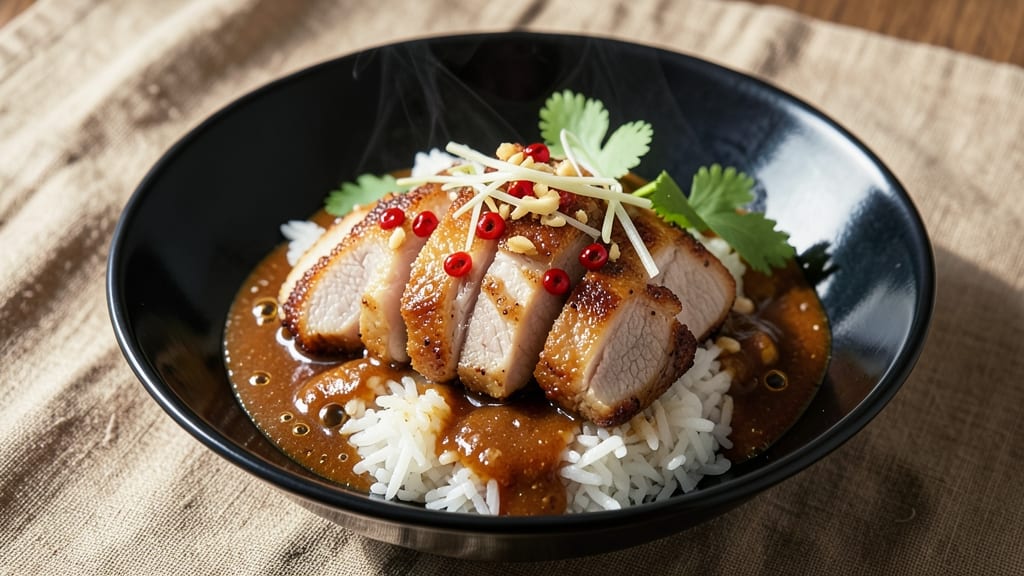
This Asian pork sauce recipe transforms ordinary stir-fries into restaurant-quality masterpieces with just a few simple ingredients. The balance of sweet, spicy, and umami creates a glaze that caramelizes beautifully on pork, chicken, or even tofu.
I developed this recipe after years of testing different ratios—now it’s my go-to for weeknight dinners that taste like they came from an Asian bistro.
The foundation starts with soy sauce and hoisin, which provide that signature depth, while garlic, ginger, and chili paste add layers of heat and aroma. A touch of honey or brown sugar balances the flavors, creating a sauce that’s sticky enough to cling but not so thick it’s gloppy.
The best part? It takes less than 15 minutes to make and keeps well in the fridge for up to two weeks.
What makes this sauce truly special is its versatility. Drizzle it over seared pork chops for a glossy finish, toss it with stir-fried vegetables for instant flavor, or use it as a dipping sauce for spring rolls.
The caramelized edges on meat are irresistible, and the sauce’s complexity elevates even the simplest proteins.
Once you try this, you’ll never buy bottled versions again. The secret lies in the slow simmer that reduces the sauce to a perfect consistency—thick enough to coat but still bright enough to taste fresh.
Store any leftovers in an airtight container, and you’ll have a quick flavor boost ready for your next meal.
Ingredients for asian pork sauce
Nine simple ingredients transform into a restaurant-quality sauce that elevates stir-fries instantly.
| Ingredient | Amount | Notes |
|---|---|---|
| Soy Sauce 🍶 | ½ cup | Light or dark variety preferred |
| Hoisin Sauce 🍶 | ¼ cup | For rich umami depth |
| Brown Sugar 🍯 | ¼ cup | Light or dark works |
| Garlic Cloves 🧄 | 6 cloves | Minced for aromatic punch |
| Fresh Ginger 🌿 | 2 tbsp | Grated, not powdered |
| Red Chili Paste 🌶️ | 1 tbsp | Or sambal oelek for heat |
| Rice Vinegar 🍶 | 1 tbsp | White or seasoned |
| Sesame Oil 🫒 | 1 tbsp | Toasted for nutty aroma |
| Water 💧 | ½ cup | Adjust for desired consistency |
| Cornstarch 🌾 | 1 tsp | For thickening |
The soy sauce and hoisin combo is non-negotiable for that signature depth—Kikkoman soy sauce and Lee Kum Kee hoisin are my go-tos, but any quality brands work. Brown sugar adds sweetness without overpowering; Trader Joe's has a great organic version that dissolves smoothly. Fresh ginger and garlic are worth the extra minute to mince—powdered just won't cut it. If you're short on time, pre-minced garlic from a jar works, but fresh has way more flavor. Chili paste? Red chili paste from an Asian market has the best heat-to-paste ratio, but sambal oelek is a solid backup.
No hoisin? Substitute with extra soy sauce plus a dash of molasses—it won't be identical, but close. Short on brown sugar? Maple syrup or agave work in a pinch, though the flavor profile shifts slightly. The rice vinegar adds brightness, but if you don't have it, white vinegar or apple cider vinegar will do. Sesame oil is key for that nutty aroma—toasted sesame oil is best, but regular works if you're in a bind. For extra thickness, cornstarch slurry (mix cornstarch with cold water) is foolproof, but arrowroot powder works too.
This sauce keeps beautifully—up to 2 weeks in the fridge in an airtight container. For longer storage, freeze in ice cube trays and transfer to a bag. Reheat gently on the stove or microwave until just warmed through. The sauce thickens as it cools, so thin with a splash of water if needed. Double the batch—you'll want it on hand for stir-fries, grilled meats, or even as a dipping sauce. Trust me, you'll make it again and again.
Why You'll Love This Recipe
- Pantry Magic: I swear by this sauce—just five ingredients, no fancy shopping. That jar of hoisin and the ginger root I bought on sale last month? Suddenly, dinner feels like a restaurant dish without the takeout markup.
- Sweet-Savory Bomb: The brown sugar caramelizes fast, cutting through the soy’s saltiness while the garlic and ginger sizzle into something ridiculously addictive. One taste and you’ll be nodding like, “Yes, this is how pork should taste.”
- Leftovers That Work: This sauce doubles as a marinade, stir-fry glaze, or even a dipping sauce for dumplings—no waste, all flavor. I’ve used the same batch three ways in a week, and my kids still beg for it. (Yes, even on a Tuesday night.)
- Budget Stretch: A single batch costs me pennies but feels like a splurge. Hoisin and soy sauce last forever, and that ginger? You’ll use it up before it dries out. My wallet thanks me every time.
Step-by-step instructions for sweet-spicy Asian pork sauce
This sauce is where the magic happens—simple ingredients transform into a glossy, flavor-packed glaze.
Mince Garlic and Grate Ginger for Maximum Flavor
Start by mincing the 6 cloves garlic cloves as finely as possible—this ensures they dissolve completely into the sauce. I like to press the cloves against the knife blade with my thumb for extra control. Next, use a microplane or fine grater to create 2 tablespoons fresh ginger—the texture should be almost paste-like, not chunky. Fresh ginger adds a bright, zesty kick that powdered can't match.
Transfer both to a small bowl and set aside. The reason we prep these first is that they need time to release their oils and aromas while we handle the other ingredients. Don't skip this step—properly minced garlic and grated ginger are the foundation of authentic Asian flavors. If you're using a garlic press, be prepared for some moisture, which is normal and actually helps emulsify the sauce later.
Combine Wet Ingredients and Simmer
In a medium saucepan, combine the 0.5 cup soy sauce, 0.25 cup hoisin sauce, 0.25 cup brown sugar, 1 tablespoon rice vinegar, and 0.5 cup water. Stir until the brown sugar dissolves completely—this should take about 1 minute over medium heat. The mixture should be smooth with no graininess.
Add the minced garlic and grated ginger, then increase heat to medium-high. Let the mixture bubble gently for 5 minutes, stirring occasionally. You'll notice the aroma intensify as the garlic softens and the ginger mellows—this is when the sauce starts developing its complex flavor profile. The sugar will begin to caramelize slightly at the edges, which adds depth to the final product.
Add Heat and Sesame Oil for Depth
Reduce heat to medium and stir in the 1 tablespoon red chili paste and 1 tablespoon sesame oil. The sesame oil should immediately perfume the air with its nutty aroma. Let the sauce simmer for another 3-4 minutes, stirring frequently. This is where the sauce transforms from basic to extraordinary—the chili paste adds heat while the sesame oil contributes that rich, toasty note that's characteristic of Asian cuisine.
Taste the sauce at this point. It should be balanced—sweet from the brown sugar, tangy from the vinegar, with a hint of heat. If you want more spice, add a pinch more chili paste (but remember, you can't take it out). The sauce should coat the back of a spoon with a glossy sheen, indicating it's ready for the thickening step. If it's too thin, we'll fix that next.
Thicken to Glossy Perfection
In a small bowl, whisk together the 1 teaspoon cornstarch with 1 tablespoon cold water until completely dissolved. This slurry is what will transform your sauce from watery to luxuriously thick. Return the sauce to a gentle simmer and slowly pour in the cornstarch mixture while stirring constantly with a wooden spoon.
Continue stirring for 2-3 minutes until the sauce thickens to a glossy consistency that coats the back of a spoon. You're looking for a sauce that's thick enough to cling to pork but still flows smoothly—almost like honey. If it thickens too quickly, add 1 tablespoon water at a time until you reach the perfect texture. The sauce should be ready when it leaves a slight trail behind the spoon as it moves through the pan.
Finish and Use Immediately
Remove the sauce from heat and let it cool slightly for 2 minutes. This resting period allows the flavors to meld together completely. Taste again and adjust seasoning if needed—perhaps a touch more soy sauce for saltiness or a splash of vinegar for tang. The sauce should be sweet, spicy, tangy, and umami-rich all at once.
This sauce is best used immediately on stir-fried pork, but it will keep in the refrigerator for up to 5 days in an airtight container. For best results, reheat gently in a saucepan over low heat, stirring constantly to prevent scorching. The sauce thickens as it cools, so you may need to thin it slightly with water if it's been stored. Trust me, this sauce elevates simple pork stir-fry to restaurant-quality in minutes.
Pro Tips For Making Asian Pork Sauce
- Sear the Pork First: Don’t just toss raw pork into the sauce—get it golden and caramelized first. High heat for 3-4 minutes until the edges crisp, then pull it out and let the sauce reduce. This builds flavor depth the slow simmer alone can’t match.
- Grate the Ginger Fine: Skip the mincer and use a box grater for fresh ginger—it dissolves evenly and adds brightness without stringy bits. Too lazy? A microplane works, but don’t pulverize it into paste; you want texture.
- Simmer Low and Slow: After adding the sauce, drop the heat to a bare simmer—no boiling. I learned this the hard way when my hoisin split and turned bitter. Let it bubble gently for 10-12 minutes, stirring occasionally.
- Balance the Sweet-Salty: Taste as you go—soy and hoisin are salty, brown sugar is sweet. If it’s too cloying, add a splash of rice vinegar or a pinch of five-spice powder. If it’s flat, a dash of fish sauce or extra garlic wakes it up.
Common mistakes when making this recipe
Overcooking the Sauce
One of the biggest mistakes is letting the sauce boil vigorously after adding the cornstarch. This causes the cornstarch to break down unevenly, creating a grainy or gluey texture instead of a smooth glaze.
I've ruined several batches by walking away during this critical step—always keep heat at a gentle simmer and stir constantly. The sauce should thicken gradually over 2-3 minutes, not instantly. If it starts to bubble too much, reduce heat immediately. 🔥
Skipping the Resting Time
Rushing to use the sauce right after removing it from heat means missing out on flavor development. The 2-minute rest lets the cornstarch fully set and allows the aromas to meld. I used to skip this step when impatient, and the sauce always tasted flat.
During this time, the sauce also thickens slightly as it cools—this is normal and actually improves texture. Don't be tempted to add water immediately if it seems too thick after resting; it will settle into perfect consistency.
Using Powdered Ginger
Powdered ginger lacks the bright, zesty complexity of fresh. While it's convenient, it adds a dull, almost medicinal flavor that throws off the sauce's balance. I once substituted it in a pinch and noticed the sauce tasted one-dimensional.
Fresh ginger releases its oils during cooking, creating layers of flavor that powdered simply can't match. If you must use powdered, reduce to 1 teaspoon and add it with the cornstarch slurry at the end for minimal impact.
Ignoring the Water Adjustment
The sauce will thicken significantly as it cools, sometimes becoming too stiff for drizzling. Many people don't account for this and end up with a sauce that's impossible to work with. I learned this the hard way—my first batch was like syrup when hot but rock-hard when cold.
Always test the sauce on a small piece of protein first. If it's too thick when cold, thin with 1 teaspoon water at a time until it reaches a honey-like consistency that coats without dripping.
Substituting Vinegar Improperly
While white vinegar or apple cider vinegar can substitute for rice vinegar, they lack the delicate sweetness that balances the sauce's complexity. I tried using balsamic once, and the sauce tasted overly tart and jammy. For best results, stick with rice vinegar.
If you're out of rice vinegar, mirin (a Japanese sweet rice wine) works surprisingly well as a 1:1 substitute—it adds subtle sweetness that complements the other flavors beautifully. 🍶
Adding Chili Paste Too Early
Introducing the chili paste at the beginning of cooking destroys its heat and aroma. The capsaicin in chili paste breaks down when exposed to prolonged heat. I made this mistake and ended up with a sauce that was more bitter than spicy.
Always add the chili paste after the initial simmer when the sauce is nearly ready. This preserves its fiery kick and vibrant color. For extra heat without bitterness, add a pinch of red pepper flakes at the very end instead.
Nutrition facts
Frequently asked questions
Can I make this sauce without hoisin?
Yes! Replace the 0.25 cup hoisin with 0.25 cup soy sauce plus 1 teaspoon molasses for depth. The molasses mimics hoisin's slight sweetness and umami. For extra richness, add 1 teaspoon oyster sauce—it's the secret ingredient in many Asian sauces. The texture will be slightly thinner, but the flavor stays balanced.
How do I adjust the spice level?
Start with the 1 tablespoon chili paste as written for mild heat. For medium spice, add 1 extra teaspoon. For fiery kick, increase to 2 tablespoons total and finish with ½ teaspoon red pepper flakes. Remember—you can't remove heat, so taste as you go! If the sauce is too spicy, balance it with ½ teaspoon more brown sugar or a splash of vinegar.
What proteins work best with this sauce?
This sauce shines on pork chops, pork tenderloin, or pork belly, but it's also fantastic with chicken thighs, tofu, or shrimp. For best results, sear proteins first until golden, then finish with the sauce. The caramelized crust pairs perfectly with the glossy glaze. For extra tenderness, marinate proteins in 1 tablespoon soy sauce for 15 minutes before cooking.
Can I make this sauce in a slow cooker?
Combine all ingredients in your slow cooker and cook on Low for 2-3 hours, stirring occasionally. The low-and-slow method enhances the caramelization naturally. Since slow cookers can't control heat precisely, you may need to thicken with 1 extra teaspoon cornstarch at the end. The texture will be slightly thinner, but the flavors deepen beautifully. Perfect for meal prep!
Why did my sauce turn grainy?
Graininess usually happens when cornstarch isn't dissolved properly or the sauce boils too vigorously. Always whisk the cornstarch slurry until completely smooth before adding. If it happens, strain the sauce through a fine-mesh sieve to remove any lumps. For next time, reduce heat to low-medium when thickening and stir constantly. A splash of cold water can also help dissolve any stubborn grains.