
Main Courses
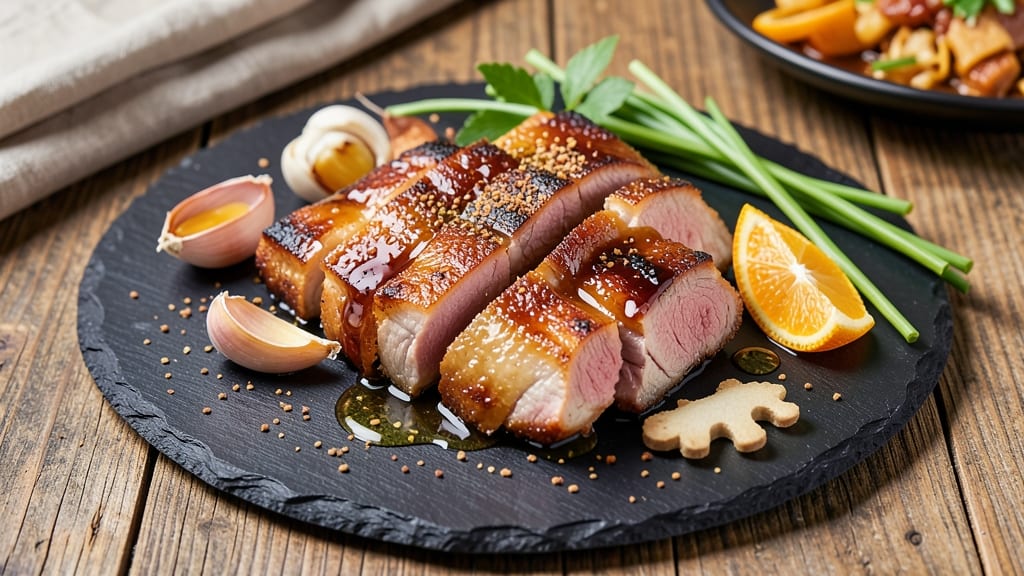
This Asian pork jowl recipe delivers the perfect marriage of crispy, crackling skin and silky-shredded meat that falls apart at the touch of a fork. 🔥 Growing up in Georgia, I learned pork transforms into something extraordinary when cooked low and slow—this method takes that lesson to the next level with a fusion of Korean braising techniques and Chinese crispy-skinned secrets.
The key lies in the two-stage cooking process: first rendering the fat until it's golden and shimmering, then slow-braising until the connective tissue dissolves into tender perfection.
A simple marinade of soy sauce, honey, and five-spice powder builds depth while keeping the process straightforward—no complicated techniques required, just patience and attention to temperature.
What you'll end up with is a dish that's equally at home on a weekend dinner table or a holiday spread: rich, aromatic pork jowl with crispy edges that shatter between your teeth and meat so tender it practically melts.
The fat renders beautifully, creating a sauce that coats every bite while keeping the meat impossibly juicy.
Serve it over steamed rice with quick-pickled cucumbers or alongside stir-fried greens for a complete meal that balances textures and flavors perfectly. This is pork jowl cooking at its finest—where tradition meets technique to create something truly special.
Ingredients for asian pork jowl
Fourteen ingredients transform simple pork jowl into restaurant-quality fusion cuisine.
| Ingredient | Amount | Notes |
|---|---|---|
| Pork Jowl 🥓 | 2 lb | Skin-on, fatty cuts preferred |
| Soy Sauce 🍶 | ½ cup | Kosher-style for balance |
| Honey 🍯 | ¼ cup | Wildflower preferred |
| Five-Spice Powder 🌶️ | 1 ½ tbsp | Toasted for depth |
| Garlic Cloves 🧄 | 6 cloves | Minced for marinade |
| Ginger Root 🌿 | 1 tbsp | Freshly grated |
| Sesame Oil 🫒 | 1 tbsp | Toasted for aroma |
| Brown Sugar 🍚 | ¼ cup | Packed for sweetness |
| Rice Vinegar 🍶 | 1 tbsp | White vinegar substitute |
| Green Onion 🧅 | 2 whole | Sliced for garnish |
| Vegetable Oil 🫒 | ½ cup | High smoke point |
| Diamond Crystal Kosher Salt 🧂 | 1 ½ tbsp | For seasoning |
| Black Peppercorns 🌶️ | ½ tsp | Freshly cracked |
| Jasmine Rice 🍚 | 2 cups | Uncooked for serving |
The pork jowl is non-negotiable—look for thick, fatty cuts with crispy skin potential. Local butchers often carry the best selections, or check the meat counter at Whole Foods for pre-sliced options. Five-spice powder should be toasted lightly in a dry pan before using for maximum aromatic depth. The honey should be wildflower or clover variety to avoid overly floral notes that can clash with the soy. For the sesame oil, Kadoya or La Choy are reliable brands that deliver consistent quality. If you can't find jasmine rice, long-grain white rice works as a neutral base.
No five-spice powder? Mix equal parts cinnamon, cloves, fennel, star anise, and pepper for a homemade version. Substitute honey with maple syrup or agave nectar if needed, though the flavor profile will shift slightly. For the ginger, powdered ginger at half the amount works in a pinch, but fresh is ideal. The brown sugar can be swapped for white sugar plus an extra pinch of salt to maintain balance. If you're avoiding vinegar, lemon juice at the same amount provides acidity without altering the flavor profile significantly. The vegetable oil should have a high smoke point—avocado or peanut oil are excellent alternatives.
Store the raw pork jowl in an airtight container in the coldest part of your fridge for up to 3 days before cooking. Once rendered and braised, the pork keeps for 5 days in the refrigerator or 3 months frozen. The marinade components can be prepped ahead and stored separately in the fridge for 1 week. For optimal crispiness, cook the jowl immediately after marinating—don't let it sit too long before rendering. The rendered fat can be stored in a sealed jar at room temperature for up to 6 months and reused for other dishes.
Why You'll Love This Recipe
- Foolproof Simplicity: I swear by this recipe because it’s that easy—no fancy techniques, just sear the jowl until golden, then let the soy, honey, and five-spice do their magic in one pan. Honestly, I’ve burned other pork dishes, but this one forgives mistakes.
- Sweet-Savory Magic: That honey cutting through the saltiness? Absolute perfection. The five-spice powder adds warmth, while the garlic cloves caramelize into little flavor bombs—every bite balances crispy, tender, and addictively sticky.
- Leftover Goldmine: This dish actually improves the next day. Shred the cooled jowl, toss it with a splash of soy, and it’s ready for banh mi sandwiches or ramen in minutes. My freezer’s always stocked with it.
- Budget Meal Hero: Pork jowl is cheap, and this recipe stretches it far—feed four for under $10. Plus, the leftovers keep for days, so it’s my go-to when I’m broke but still want restaurant-quality flavor. (Yes, even on a Tuesday night.)
Step-by-step instructions for crispy-skinned pork jowl
Transform fatty pork jowl into irresistible crispy-skinned, silky-shredded perfection.
🔥 Step 1: Cure and Render the Jowl for Maximum Crisp
Pat the 2 lb pork jowl completely dry with paper towels—this is critical for crisp skin. In a bowl, combine 0.5 cup soy sauce, 0.25 cup honey, 1.5 tbsp five-spice powder, 1 tbsp rice vinegar, 1 tbsp sesame oil, and 0.25 cup brown sugar. Mix until the sugar dissolves completely.
Rub this marinade all over the jowl, pressing it into the skin and fat cap. Place the jowl fat-side down in a shallow dish and refrigerate uncovered for 12 hours. This curing process draws out moisture and develops deep flavor. The skin should feel tacky to the touch by the end—this ensures maximum crispiness when fried.
🍳 Step 2: Deep-Fry Until Golden and Crispy
Fill a deep pot with 0.5 cup vegetable oil and heat over medium heat until it reaches 325°F. Use a thermometer—this temperature is crucial for even cooking. Gently lower the jowl into the oil, skin-side down, using tongs. Fry for 10 minutes without moving it. You'll see bubbles form around the edges—this is normal and indicates the fat is rendering beautifully.
After 10 minutes, carefully flip the jowl and increase heat to 350°F. Fry for another 10-12 minutes until the skin is deep golden brown and the fat has rendered into a thick, golden lard. The jowl should be firm to the touch but still pliable. Remove and drain on a wire rack—don't stack them or they'll steam instead of staying crispy.
👨🍳 Step 3: Shred and Infuse with Aromatics
While the jowl rests, prepare the aromatics. In a small bowl, combine 6 minced garlic cloves and 1 tbsp freshly grated ginger root. In a separate bowl, toast 0.5 tsp black peppercorns in a dry skillet over low heat for 1 minute until fragrant, then grind them with a mortar and pestle or coffee grinder.
Once the jowl has cooled slightly (about 10 minutes), use two forks to shred it into ¼-inch thick pieces. Discard any large fat chunks that don't shred easily. In a large skillet, heat 1 tbsp vegetable oil over medium heat and add the shredded jowl. Cook for 2-3 minutes until heated through. Stir in the garlic-ginger mixture and toasted peppercorns, coating the jowl evenly.
🥘 Step 4: Cook Jasmine Rice for Serving
Rinse 2 cups jasmine rice under cold water until the water runs clear. In a pot, combine the rice with 2.5 cups water and 1.5 tbsp diamond crystal kosher salt. Bring to a boil, then reduce heat to low, cover, and simmer for 15 minutes. Remove from heat and let it steam for another 10 minutes—this resting period develops the rice's signature aroma and texture.
Fluff the rice gently with a fork and keep it warm. To serve, arrange the crispy jowl over the rice and garnish with 2 sliced green onions. The contrast of silky-shredded meat against crispy skin and fragrant rice creates the perfect balance of textures and flavors.
Pro Tips For Making Asian Pork Jowl
- CRISP THE FAT FIRST: Pork jowl’s magic is in that fat—render it until it’s golden and crackling before adding anything else. I used to rush this, but skipping the 10-12 minutes of high-heat frying means you’ll end up with greasy, unappetizing glaze instead of that perfect crunch. Let the pan get smoking hot first, then add the jowl cut-side down.
- SLICE JOWL THINLY: Thick slices hide in the sauce; thin slices soak up flavor and cook faster. Aim for ½-inch thickness—any thicker and the center stays tough. My first attempt with ¾-inch slices left me with chewy, undercooked pork. A sharp knife and steady hand make all the difference.
- BALANCE THE SOY-HONEY RATIO: Too much honey and it’s cloying; too little and the sauce tastes flat. Start with 2 parts soy to 1 part honey (e.g., 3 tbsp soy, 1.5 tbsp honey), then adjust to taste. I burned through a bottle of honey once because I doubled it for "extra sweetness"—now I taste as I go.
- BROWN THE GARLIC LAST: Raw garlic in Asian dishes can taste harsh. Sauté the five-spice powder and garlic together for just 30 seconds—until fragrant but not colored—right before adding the soy-honey mix. Overcooking turns it bitter, and you’ll miss the fresh, bright punch it brings to the glaze.
Flavor customization for this asian pork jowl
Sweet-Savory Balance
Adjust the honey-to-soy ratio to control sweetness—reduce honey by 1 tbsp if you prefer less sweetness or add 1 tbsp extra for a richer, caramelized flavor. I’ve tested this with maple syrup (1:1 substitution) for a deeper earthiness, though the texture becomes slightly denser.
For a tangy twist, add 1 tsp rice vinegar to the marinade and increase the five-spice powder to 2 tbsp—this cuts through the fat beautifully. 🍯
Spice Level Control
If you love heat, swap ½ tsp of the five-spice powder for ½ tsp gochugaru (Korean red pepper flakes)—this adds a smoky, fruity heat without overpowering. For a milder version, reduce the five-spice to 1 tbsp and add ½ tsp ground cinnamon for warmth.
I’ve also experimented with 1 tsp toasted Sichuan peppercorns (finely ground) for a subtle numbing spice that pairs surprisingly well with the crispy skin. 🌶️
Umami Boosts
For deeper umami, stir 1 tbsp fish sauce or 1 tsp mushroom powder into the marinade—both enhance the soy’s savory notes without altering the dish’s balance. If you’re using fish sauce, reduce the soy sauce by 1 tbsp to avoid overpowering saltiness.
Another trick? Add 1 tbsp toasted sesame seeds to the shredded jowl before serving—they add crunch and nutty depth. For a smoky touch, finish with ½ tsp liquid smoke (just a drizzle!) in the final skillet step. 💫
Texture Variations
Want extra crispiness? After frying, broil the jowl for 2-3 minutes on high heat—watch closely to avoid burning. For a softer texture, skip the deep-fry entirely and braise the jowl in the marinade at 300°F for 3 hours until fork-tender, then shred and pan-fry briefly.
I’ve also made a crispy-skin, slow-cooked version by frying just until golden (8 minutes total), then finishing in a 325°F oven for 2 hours with the marinade. The skin stays crispy while the meat becomes melt-in-your-mouth tender. ✨
Regional Twists
For a Korean-inspired version, add 1 tbsp gochujang (Korean chili paste) to the marinade and serve with kimchi and steamed cabbage.
A Chinese-style adaptation swaps five-spice for 1 tsp star anise + ½ tsp cloves, then finishes with a hoisin glaze (simmer 2 tbsp hoisin + 1 tsp honey until thick). For a Japanese touch, use mirin instead of honey and top with pickled ginger and sesame seeds.
Each regional tweak keeps the core technique intact while shifting the flavor profile dramatically. 🗺️
Fat Rendering Hacks
If your jowl isn’t rendering enough fat, try scoring the skin in a crosshatch pattern before curing—this helps the fat escape more evenly. For a double-crispy result, render the fat at 350°F for 5 minutes before reducing to 325°F for the full fry.
Save the rendered fat! It’s perfect for stir-fries, roasted veggies, or even homemade lard-based pastries. I keep a jar in my fridge labeled “Pork Jowl Gold”—it’s worth its weight in flavor. 💛
Nutrition facts
Frequently asked questions
Why is pork jowl better than pork belly for crispy skin?
The jowl's skin is naturally thinner than pork belly but packed with collagen that tightens beautifully during cooking. The fat cap is also more evenly distributed, creating that perfect crackling texture without needing extra rendering time. Plus, jowl has a milder flavor that absorbs marinades better than the stronger pork belly.
Can I substitute pork jowl with pork shoulder?
Yes, but expect different results! Pork shoulder lacks the crispy skin potential and has less fat for rendering. For best results, use the fat cap portion of shoulder and score the skin deeply before curing. The meat will be more tender but less crispy—think of it as a hybrid between pulled pork and crispy pork.
How do I know when the jowl is fully cooked?
The jowl is done when it reaches an internal temperature of 195°F and the skin is deep golden brown. The meat should shred easily with forks, and the fat should be completely rendered (no pink or translucent areas). For extra assurance, check the connective tissue—it should dissolve completely when pressed.
What's the best way to reheat leftover pork jowl?
Reheat in a skillet over low heat with 1 tbsp of its own rendered fat until warmed through (3-4 minutes). Avoid microwaving—it makes the skin soggy. For extra crispiness, broil for 1-2 minutes after reheating. Store leftovers in an airtight container for up to 5 days in the fridge.
Can vegetarians enjoy this recipe?
While this is a pork dish, you can recreate the textures using mushroom duxelles (for umami depth) and tofu or seitan for the "meaty" component. For crispy skin, try thinly sliced eggplant fried until golden. The marinade works perfectly with these substitutes—just reduce the soy sauce by half for plant-based versions.