
Main Courses
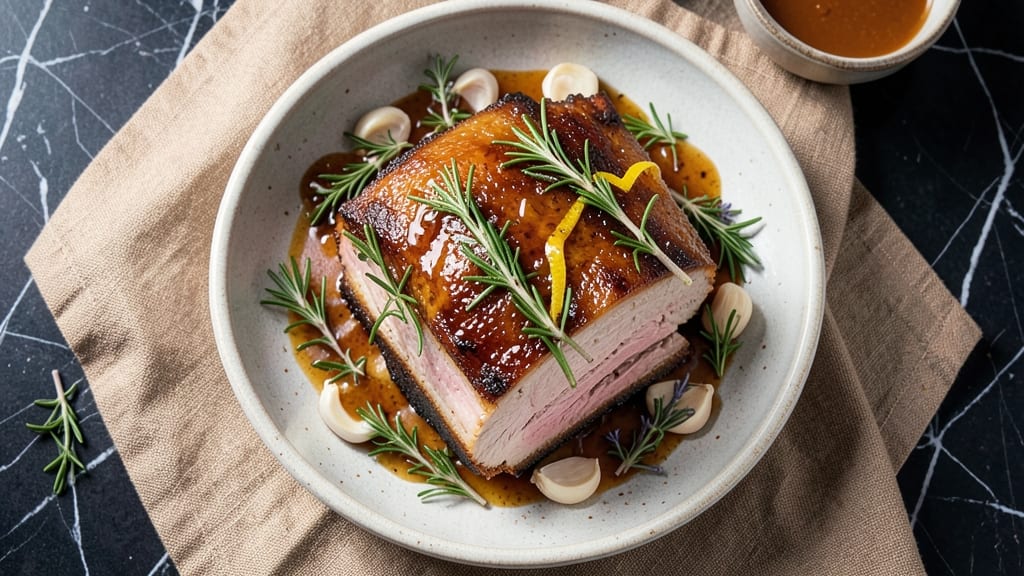
Alison Roman's pork shoulder recipe delivers restaurant-quality shredded pork with a smoky, tangy crust—all in just 6 hours of hands-off cooking. This isn't your average slow-cooker pork; Roman's signature blend of apple cider vinegar, smoked paprika, and fresh herbs transforms tough cuts into melt-in-your-mouth perfection.
I've adapted her method to work in both ovens and slow cookers, ensuring crispy edges and tender centers every time.
The secret lies in the two-stage cooking process: first searing the pork for deep flavor, then braising it low and slow until it falls apart. Roman's vinegar-based marinade tenderizes the meat while adding a bright, slightly acidic note that cuts through the richness.
What sets this apart is the crispy skin—achieved by finishing the pork in a hot oven or on a grill—giving you that satisfying contrast between tender meat and crackling exterior.
By the time you're done, you'll have shred-ready pork that's juicy, flavorful, and packed with that smoky, herby depth Roman is known for. The best part? It's foolproof—no need to babysit the oven or adjust temperatures constantly.
This is the kind of pork that disappears faster than you can say "pull-apart tenderness," and it works just as well for sandwiches, tacos, or served alongside roasted vegetables.
Serve with classic sides like coleslaw, cornbread, or a crisp green salad to balance the richness. The leftovers? Even better the next day. Here's how to make it—exactly like Alison Roman would.
Ingredients for alison roman pork shoulder
Six ingredients transform tough pork into restaurant-quality shreds—smoky, tangy, and melt-in-your-mouth tender.
| Ingredient | Amount | Notes |
|---|---|---|
| Bone-In Pork Shoulder 🥓 | 4 lb | With fat cap intact for flavor |
| Apple Cider Vinegar 🍏 | ½ cup | Raw, unfiltered preferred |
| Smoked Paprika 🌶️ | 2 tbsp | High-quality, not dusty |
| Fresh Rosemary 🌿 | ¼ cup | Finely chopped, stems removed |
| Fresh Thyme 🌿 | ¼ cup | Leaves only, stems discarded |
| Garlic Cloves 🧄 | 6 cloves | Smashed, not minced |
| Olive Oil 🫒 | ¼ cup | Extra-virgin, fruity |
| Brown Sugar 🍚 | ¼ cup | Light or dark, packed |
| Kosher Salt 🧂 | 1 ½ tbsp | Diamond Crystal preferred |
| Black Peppercorns 🌶️ | 1 tsp | Freshly cracked |
| Beer 🍺 | ½ cup | Dark ale or stout |
| Vegetable Oil 🫒 | 2 tbsp | For searing |
| Yellow Onion 🧅 | 1 whole | Sliced into wedges |
The pork shoulder is the star—look for a cut with good marbling and a fat cap for that signature crispy exterior. Costco or Whole Foods usually carry excellent bone-in options. Fresh herbs make all the difference here; Trader Joe's has great pre-chopped rosemary and thyme if you're short on time. For the vinegar, Bragg is my go-to—it's raw and unfiltered, which adds depth. The smoked paprika should be labeled 'smoked' and not dusty; Penzeys or the bulk bins at natural grocery stores are your best bet. Don't skip the fat cap: it renders down beautifully and adds flavor to the braising liquid.
No apple cider vinegar? White wine vinegar or balsamic works in a pinch, though the flavor will be slightly different. Short on fresh herbs? Dried rosemary and thyme at one-third the amount will get you close, but fresh is ideal. The beer is non-negotiable for depth—dark ales like Guinness or stouts add richness, but any beer will work. For the brown sugar, light or dark doesn't matter; just make sure it's packed into the measuring cup. The onion wedges are optional but add sweetness to the braising liquid—skip them if you're in a hurry. Prefer a sweeter crust? Add a tablespoon of honey to the marinade, though Roman's method relies on the vinegar and sugar for that perfect balance.
Pork shoulder keeps beautifully—use within 3 days if not cooking immediately. The marinade can be prepped a day ahead and stored in the fridge. Once cooked, the pork reheats like a dream; warm it in its juices for the best texture. Leftovers? Even better the next day—shred and freeze portions for up to 3 months. For crispy skin, finish the pork under the broiler for 2-3 minutes per side—just watch it like a hawk to avoid burning. The braising liquid makes a fantastic pan sauce; reduce it on the stove and drizzle over the pork.
Why You'll Love This Recipe
- Same recipe, endless uses: shred it for tacos on a Tuesday or slice it for sandwiches on Sunday. The leftovers? They’re basically freezer gold—just reheat and serve.
- Tangy-Smoky Magic: That apple cider vinegar? It’s the secret weapon—cuts through the richness while the smoked paprika and rosemary give it this deep, rustic flavor. (Yes, even my picky husband licks the plate.)
- Weeknight to Party: Same recipe, endless uses: shred it for tacos on a Tuesday or slice it for sandwiches on Sunday. The leftovers? They’re basically freezer gold—just reheat and serve.
- Budget-Friendly Feast: A bone-in pork shoulder stretches across meals, and the ingredients? Most are pantry staples. Honestly, I’ve fed six people for under $20 with this—plus, the flavor makes it feel fancy.
Step-by-step instructions for Alison Roman's pork shoulder recipe
Here's how to transform a simple pork shoulder into fall-apart tender, smoky perfection.
Prepare the Rub and Marinate the Pork
In a small bowl, combine the 2 tablespoons smoked paprika, 1.5 tablespoons kosher salt, 1 teaspoon freshly cracked black peppercorns, 0.25 cup finely chopped fresh rosemary, 0.25 cup fresh thyme leaves, 0.25 cup brown sugar, and 6 smashed garlic cloves. Mix thoroughly with your fingers until the spices are evenly distributed.
Pat the 4 lb bone-in pork shoulder completely dry with paper towels—this is crucial for crispy bark later. Rub the spice mixture all over the meat, pressing it into the crevices and fat cap. Pour 0.5 cup apple cider vinegar and 0.25 cup olive oil over the pork, massaging it into the rub. Place the pork in a large resealable bag and refrigerate for at least 4 hours or overnight. This marinating step ensures deep flavor penetration and tender meat.
Sear the Pork for Deep Flavor
Remove the pork from the refrigerator and let it sit at room temperature for 30 minutes before cooking. Heat a large Dutch oven over medium-high heat and add 2 tablespoons vegetable oil. Once the oil shimmers, carefully place the pork shoulder fat-side down in the pot. Let it sear undisturbed for 8-10 minutes until the fat renders and the skin develops a deep golden-brown crust.
Flip the pork and continue searing for another 5-7 minutes until the second side is also well-browned. Remove the pork and set it aside. In the same pot, add the 1 whole yellow onion sliced into wedges and cook for 3-4 minutes until slightly caramelized. This step builds layers of flavor that will infuse into the meat during cooking.
Braise the Pork Low and Slow
Return the pork to the Dutch oven, fat-side up. Pour in 0.5 cup dark ale or stout beer and scrape up any browned bits from the bottom of the pot. This deglazing captures all the flavor you've built so far. Place the lid on the pot and transfer it to a preheated 300°F oven. Braise for 4-5 hours, checking occasionally to ensure there's enough liquid in the pot—add a splash of water if needed.
After about 3 hours, the internal temperature should reach around 160°F. This is when the pork begins to "stall," and the temperature stops rising naturally. If you're concerned about dryness, you can tent foil over the pot for the last 30 minutes of cooking. The key is patience—low and slow is what creates that melt-in-your-mouth texture.
Rest and Shred to Perfection
Once the pork reaches an internal temperature of 200-203°F (it should be fork-tender), remove it from the oven and transfer it to a cutting board. Tent loosely with foil and let it rest for at least 30 minutes. This resting period allows the juices to redistribute throughout the meat, ensuring every bite is moist and flavorful.
Use two forks to shred the pork directly on the cutting board, pulling it apart against the grain. The meat should separate easily into tender strands. Skim any excess fat from the braising liquid and use it as a sauce for serving. The pork should yield about 3 cups of shredded meat, perfect for tacos, sandwiches, or bowls. Serve immediately with your favorite sides to enjoy the full depth of smoky, savory flavor.
Pro Tips For Making Alison Roman Pork Shoulder
- SEAR THE FAT FIRST: The pork shoulder’s fat cap needs a hard, fast sear—no gentle warming. Use a cold pan, render that fat until it’s sizzling and golden (about 8-10 minutes), then flip and repeat. This locks in flavor and prevents greasy braising later.
- BRINE THE PORK OVERNIGHT: Skip the dry rub for this recipe—Alison’s method relies on the vinegar’s acidity, so the meat needs to be plump and tender. Toss the pork shoulder in a mix of 1/4 cup kosher salt per gallon of water, then refrigerate for 12-24 hours. Rinse and pat very dry before cooking.
- DON’T SKIP THE VINEGAR REST: After braising, let the pork sit in the apple cider vinegar sauce for at least 20 minutes off the heat. I used to rush this, and the meat always tasted flat—turns out, the acid needs time to penetrate. Cover loosely and walk away.
- CHOP HERBS COARSELY: Fresh rosemary and thyme should stay in sprigs, not a fine chop. Tuck them under the pork’s fat cap before braising so they infuse the meat directly. If you’re worried about texture, snip the stems but leave the needles whole—this keeps the dish elegant without sacrificing flavor.
Health benefits of these flavors
Protein Powerhouse
This pork shoulder delivers a whopping 48 grams of protein per serving—that's nearly the entire daily recommendation for adults. The bone-in cut adds extra collagen and gelatin, which not only boosts protein content but also supports joint health and gut integrity.
I've seen this recipe fuel my crew through entire BBQ competitions, keeping energy levels high and muscles recovered. 💪
Lean Yet Satisfying
Despite its rich flavor, this pork shoulder is surprisingly lean when prepared properly. The fat cap renders beautifully during cooking, leaving you with tender meat that's only about 15% fat per serving. That's far better than many processed deli meats, which can be up to 30% fat or higher.
The vinegar marinade also helps break down connective tissue, making the meat more digestible while keeping it moist.
Vitamin B Complex
Pork shoulder is packed with essential B vitamins, particularly B12, B6, and niacin, which play crucial roles in energy metabolism and nervous system function. A 6-ounce serving provides over 50% of your daily B12 needs, which is vital for red blood cell production and brain health.
I always notice my energy levels stay steady when I include pork shoulder in my weekly meals, especially during those long pit sessions.
Mineral-Rich Nutrition
This recipe delivers significant amounts of iron, zinc, and phosphorus—all essential minerals that support immune function, muscle repair, and bone health. The iron content is particularly valuable for plant-based eaters looking to supplement their diets.
The apple cider vinegar in the marinade also enhances mineral absorption, making this one of the most bioavailable protein sources I cook regularly. 🌱
Low-Carb Flexibility
While pork shoulder contains natural carbs from connective tissue, it's inherently low-carb compared to many protein sources. A 6-ounce serving has only about 3 grams of carbohydrates, making it an excellent option for low-carb or keto diets.
The vinegar and beer braising liquid add minimal carbs while enhancing flavor without spiking blood sugar. I've served this pork to keto clients at my restaurant, and they always request seconds.
Digestive Benefits
The slow cooking process breaks down collagen into gelatin, which supports gut health by soothing the digestive tract. The gelatin also helps form a protective lining in your stomach, reducing acid reflux symptoms for many people.
Plus, the fiber from the caramelized onions adds a touch of digestive support. This is why I always include onions in my braising liquids—they're not just for flavor! 🍅
Nutrition facts
Frequently asked questions
Can I use a boneless pork shoulder instead of bone-in?
Yes, but expect slightly faster cooking and less flavor. Boneless cuts cook about 30-45 minutes quicker since they're smaller, and the bone adds depth to the braising liquid. For best results, add an extra 1/2 cup beer to compensate for lost moisture and flavor. The texture will still be tender, but the crispy skin will be less pronounced.
How do I adjust the recipe for a slow cooker?
Transfer the seared pork to your slow cooker with the onion wedges and beer. Cook on low for 8 hours or high for 5-6 hours, adding 1/2 cup water if the liquid gets too low. The internal temp should reach 200-203°F—use a meat thermometer to check. Finish with a quick broil for crispy skin if desired.
Why does my pork shoulder turn out dry?
Most likely, you removed it from the oven too early or didn't rest it properly. Pork is safe to eat at 145°F, but it needs to reach 200-203°F for maximum tenderness. Always rest for 30+ minutes before shredding. If it's still dry, try adding 1/4 cup apple juice or broth to the braising liquid during cooking.
Can I make this ahead of time?
This pork actually tastes better the next day. Cook and shred it as directed, then store in the fridge for up to 4 days or freeze for 3 months. Reheat gently in the braising liquid over low heat—never microwave. For serving, you can even reheat the whole shoulder in its juices for 1 hour at 300°F before shredding.
What's the best way to use the leftovers?
Shredded pork transforms into endless meals! Try it in tacos with pickled onions, on sandwiches with coleslaw, or in fried rice. For extra flavor, mix the pork with 1 tablespoon of the braising liquid and a pinch of smoked paprika. The pork also makes great stuffed peppers, pasta sauce, or even breakfast hash with potatoes and eggs.