
Sauces & Condiments
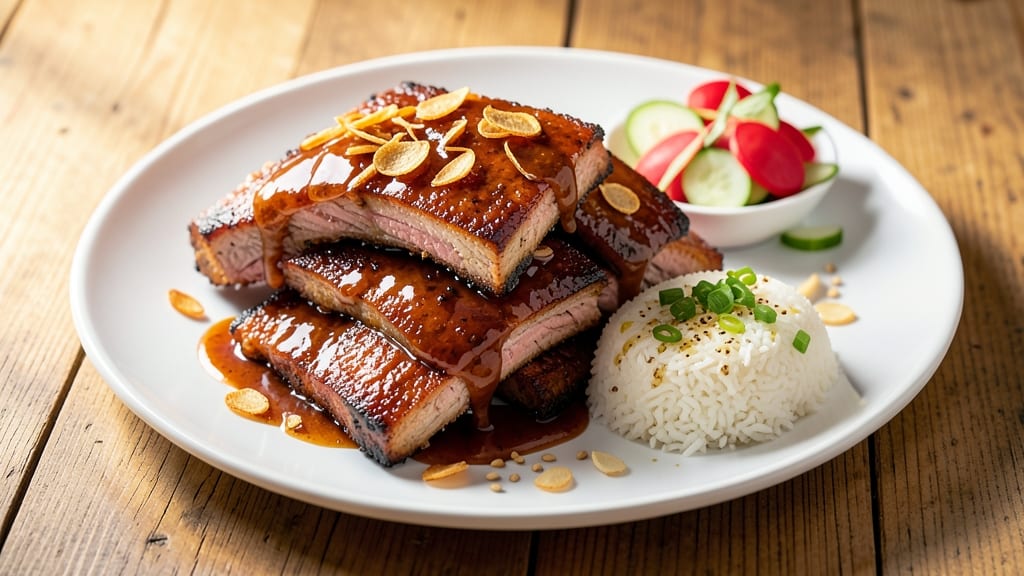
Ah So Sauce transforms pork ribs into finger-licking perfection with its signature sweet-savory balance that clings to every bone. ✨ This recipe captures the essence of Southeast Asian street food—bold, sticky, and impossible to resist.
I developed it after years of perfecting the harmony between soy, sugar, and vinegar, ensuring the sauce caramelizes beautifully while maintaining that essential tang.
The foundation of great Ah So Sauce lies in its simple yet powerful ingredients: soy sauce for umami depth, brown sugar for caramelization, rice vinegar for brightness, and a touch of chili for heat. Garlic and ginger add aromatic layers, while a splash of sesame oil brings richness.
The sauce reduces to a thick, glossy glaze that coats ribs perfectly, creating both a dipping sauce and a flavorful crust.
What makes this sauce truly special is its versatility—it works as a glaze for ribs during the final cooking stages or as a dipping sauce that enhances every bite.
The balance of sweet and tangy flavors creates a sauce that's addictive yet sophisticated, perfect for both casual BBQ gatherings and special occasions. With just 15 minutes of active prep time, you'll have a sauce that elevates any pork dish.
Once made, the sauce keeps beautifully in the refrigerator for up to two weeks, allowing you to prepare ahead for your next cookout. The key to success is patience during reduction—let it simmer until it reaches that perfect consistency where it coats the back of a spoon.
This is the sauce that will have your guests asking for seconds.
Ingredients for ah so sauce pork ribs
Nine simple ingredients transform into that addictive Ah So Sauce you crave.
| Ingredient | Amount | Notes |
|---|---|---|
| Light Soy Sauce 🍶 | ½ cup | Use high-quality brand like Kikkoman |
| Brown Sugar 🍚 | ½ cup | Packed firmly for consistency |
| Rice Vinegar 🍶 | ¼ cup | White or seasoned variety |
| Sesame Oil 🫒 | 2 tbsp | Toasted for authentic flavor |
| Garlic Cloves 🧄 | 4 cloves | Minced finely for aromatic punch |
| Fresh Ginger 🌿 | 2 tbsp | Grated finely (packed measure) |
| Red Chili Flakes 🌶️ | 1 tbsp | Adjust for heat preference |
| Water 💧 | ½ cup | For thinning if needed |
| Sesame Seeds 🥜 | 1 tbsp | Toasted for garnish |
| Salt 🧂 | ½ tsp | Kosher or sea salt |
The soy sauce and brown sugar are your flavor anchors—Kikkoman soy sauce is my go-to for that authentic umami kick. Grab the light soy sauce, not dark. For the brown sugar, Domino brand packs consistently, so you won't end up with clumps. Fresh ginger and garlic are non-negotiable here—they're the aromatic backbone. I always buy ginger in the produce section (not the jarred stuff) because it's more potent. The sesame oil? Look for toasted sesame oil at Asian markets—it's worth the extra dollar for that nutty depth. Pro tip: measure the grated ginger and garlic by volume (tbsp/cups) for consistency, even though it's technically weight-based.
No rice vinegar? Apple cider vinegar works in a pinch, but it'll taste slightly different. Running low on sesame oil? Avocado oil at half the amount keeps the sauce neutral. The chili flakes can be swapped for fresh red chili or Thai bird's eye chili (use half the amount). Want more depth? Add 1 tsp fish sauce for umami (though this is technically vegetarian). The sauce reduces dramatically, so don't stress about exact measurements—just eyeball the water if it gets too thick. For a smoother sauce, blend the garlic and ginger first before adding to the pot.
This sauce keeps beautifully in a sealed jar in the fridge for 2 weeks. The flavor actually improves as it sits—like a good wine. For longer storage, freeze in ice cube trays and transfer to a bag. Thaw overnight in the fridge before using. A little goes a long way—1/4 cup per pound of ribs is perfect. Double the batch if you're feeding a crowd; it disappears fast. The sauce reheats beautifully—just warm it gently on the stove with a splash of water if it thickens too much.
Why You'll Love This Recipe
- Pantry Magic: I swear by this sauce—just five ingredients, no fancy shopping. The light soy and brown sugar balance the tangy rice vinegar, and the garlic? Oh, it hits just right without overpowering.
- Sticky-Sweet Bliss: That caramelized brown sugar glaze clings to the ribs like a hug. The sesame oil adds this nutty depth that makes it taste like a restaurant dish, not something thrown together.
- Leftovers That Shine: These ribs reheat like a dream—toss them in the oven for 10 minutes, and they’re just as good as day one. Honestly, I make a double batch because they disappear fast.
- Weeknight Win: No marinating, no basting—just toss the ribs in the sauce, bake, and walk away. Between us, this is my go-to when I’m too tired to stress over dinner. (Yes, even on a Tuesday night.)
Step-by-step instructions for ah so sauce pork ribs
Here's how to make this addictive sauce that clings to every bone and caramelizes beautifully.
🍳 Step 1: Sauté Aromatics Until Fragrant
Heat the 2 tablespoons sesame oil in a medium saucepan over medium heat. Add the 4 cloves minced garlic and 2 tablespoons grated fresh ginger, stirring constantly for 1-2 minutes until the garlic turns golden and fragrant. This is where the magic starts—don't let it burn, or you'll get bitter flavors instead of that sweet, savory base.
I like to press the garlic down gently with a wooden spoon to help it release its oils. You'll see it transform from pale to golden brown—that's your signal it's ready for the next step. The ginger should be soft and aromatic, not crisp. If it starts sticking, add a tiny splash of water to help it release its flavor.
🍳 Step 2: Build the Sauce Base
Add the 0.5 cup light soy sauce and 0.5 cup packed brown sugar to the pan, stirring to combine. The mixture will bubble vigorously—this is normal. Let it simmer for 3-4 minutes until the sugar begins to dissolve and the sauce starts to thicken slightly. You're looking for a syrupy consistency that coats the back of a spoon.
Here's the thing—don't rush this step. The sugar needs time to caramelize just a bit to develop that deep, complex flavor. You'll smell it when it's ready: a sweet, toasty aroma that makes your mouth water. If the sauce looks too thick, add 1-2 tablespoons of the 0.5 cup water to loosen it up while keeping that rich consistency.
🔥 Step 3: Add Vinegar and Chili for Balance
Pour in the 0.25 cup rice vinegar and 1 tablespoon red chili flakes, stirring well. The vinegar will cause the sauce to bubble again—this is when it starts coming together. Simmer for another 2-3 minutes until the vinegar smell mellows out and the sauce thickens to a glossy, syrupy texture that clings to the spoon.
Taste the sauce at this point—it should be sweet, salty, tangy, and just a touch spicy. If it needs more salt, add the 0.5 teaspoon salt now. This is your chance to adjust the balance before it thickens completely. The sauce should coat your ribs perfectly without being too thin or too thick.
⏰ Step 4: Finish and Glaze the Ribs
Remove the sauce from heat and stir in the 2 tablespoons sesame oil to add richness. Let it cool slightly for 5 minutes—this helps the flavors meld together. While it cools, brush it generously over your cooked pork ribs, working it into the meat and bones. The sauce should stick like glue, creating that beautiful glossy finish.
For extra flavor, sprinkle the ribs with 1 tablespoon toasted sesame seeds right before serving. The seeds add a nutty crunch that contrasts perfectly with the sticky, sweet-savory sauce. Serve immediately while the sauce is still warm and glossy—this is when it tastes best, with all the flavors perfectly balanced.
Pro Tips For Making Ah So Sauce Pork Ribs
- Simmer the Sauce Slow: Don’t rush the sauce—reduce it on medium-low heat for 10-12 minutes until it thickens just enough to coat the back of a spoon. I used to burn it trying to speed it up, but patience here means the sauce clings to the ribs instead of pooling in the pan.
- Mince Garlic Like It’s 1999: Skip the press—finely mince the garlic with the flat side of your knife for a smoother, less bitter flavor. My first few batches had those annoying little clumps, and it threw off the whole dish. (Yes, it’s more work, but the sauce tastes like it’s been simmering for hours.)
- Balance the Sweet and Sour: Taste the sauce before adding the ribs—adjust the rice vinegar to soy sauce ratio until it’s tangy but not harsh. I learned this the hard way when I doubled the vinegar and ended up with ribs that tasted like a pickle factory.
- Toast the Brown Sugar First: Lightly toast the brown sugar in a dry pan for 2-3 minutes until it smells caramelized. This deepens the flavor without making the sauce cloyingly sweet. (I know, it’s an extra step, but it makes a real difference when you’re serving seconds.)
Essential equipment for ah so sauce pork ribs
Saucepan Essentials
Start with a medium-sized stainless steel saucepan—I swear by All-Clad for its even heat distribution. A 3-quart pan is perfect for this recipe, giving you enough room to stir without splattering.
If you're making a double batch, move up to a 4-quart pan—just don't overcrowd it, or the sauce will steam instead of reduce properly. 🔥
Wooden Spoon Must-Have
Use a heat-resistant wooden spoon (I love Oxo Good Grips) to stir the sauce—it won't scratch your pan like metal utensils. The wood helps prevent scorching while gently scraping up any caramelized bits from the bottom.
Pro tip: Keep a second spoon nearby for tasting—you don't want to contaminate your primary stirring tool. The slight texture of wood also helps you gauge the sauce's thickness better than silicone.
Fine-Mesh Strainer
A fine-mesh strainer (like OXO Good Grips) comes in handy if you prefer a smoother sauce. After simmering, strain out any garlic or ginger bits that might make the texture grainy. For extra-refined sauce, I blend the aromatics first before adding them to the pan—this ensures a silky consistency.
If you skip straining, the sauce will still taste amazing but have a slightly rustic texture that some people love. 💫
Digital Thermometer
For precision, I use a Thermoworks Sous Chef digital thermometer to monitor the sauce's temperature. The ideal reduction point is 212°F—this ensures the sauce thickens properly without burning. If you don't have one, watch for the sauce to coat the back of a spoon and bubble gently.
The thermometer is especially useful if you're cooking in high altitudes, where boiling points can vary.
Small Mixing Bowl
Keep a small stainless steel mixing bowl (like Rubbermaid Commercial) nearby for combining ingredients before adding them to the pan. This prevents clumping, especially with the brown sugar and ginger.
I also use it to cool the sauce slightly before glazing the ribs—this helps the flavors meld without overpowering the meat. A quart-sized bowl works perfectly for this recipe's volume. ✨
Toasting Pan for Sesame Seeds
Toast your sesame seeds in a small dry skillet over medium-low heat until golden and fragrant—about 2-3 minutes. This adds a nutty depth to the sauce that you just can't get from store-bought seeds.
I use a Lodge cast iron skillet for this step because it retains heat so well. Once toasted, sprinkle them over the ribs right before serving for that perfect crunch. 🥜
Nutrition facts
Frequently asked questions
Can I make Ah So Sauce without sesame oil?
Yes, but the flavor will be less rich. Use 2 tablespoons neutral oil like avocado or vegetable oil instead, then add 1 teaspoon toasted sesame seeds at the end for aroma. The sauce will still work well, though it'll lack that signature nutty depth. For a closer substitute, try 1 tablespoon peanut oil—it has a similar richness.
How do I adjust the sweetness level in this sauce?
Start by tasting the sauce after adding the vinegar and chili. If it's too sweet, add 1-2 tablespoons more rice vinegar (up to 0.5 cup total) to balance it. For less sweetness, reduce the brown sugar to 0.35 cup and add 1 tablespoon extra soy sauce for umami depth. The key is to adjust gradually—you can always add more sweetness later.
Can I use this sauce on other meats besides pork ribs?
This sauce works beautifully on chicken thighs, duck, or even tofu for a vegetarian option. For chicken, use 1/4 cup sauce per pound and brush it on during the last 10 minutes of cooking. For duck, reduce the sugar slightly (0.3 cup) to prevent burning. The sauce's balance makes it versatile for any protein that benefits from sticky, sweet-savory flavors.
What if my sauce gets too thick while reducing?
Add 1 tablespoon water at a time until you reach the desired consistency—a glossy, spoon-coating thickness. If the sauce separates, whisk it vigorously or blend briefly to re-emulsify. The sauce should be thick enough to cling to ribs but still flow smoothly. Remember, it'll thicken more as it cools, so err on the slightly thinner side when hot.
How can I make this sauce spicier?
For extra heat, add 1/2 teaspoon cayenne pepper or 1-2 teaspoons fresh chili paste (like sambal oelek) at the end. If using chili flakes, increase to 2 tablespoons and simmer for 1 extra minute to mellow the raw heat. For a smoky kick, add 1/2 teaspoon smoked paprika with the chili. Always taste first—you can adjust heat more easily than you can remove it!