
Main Courses
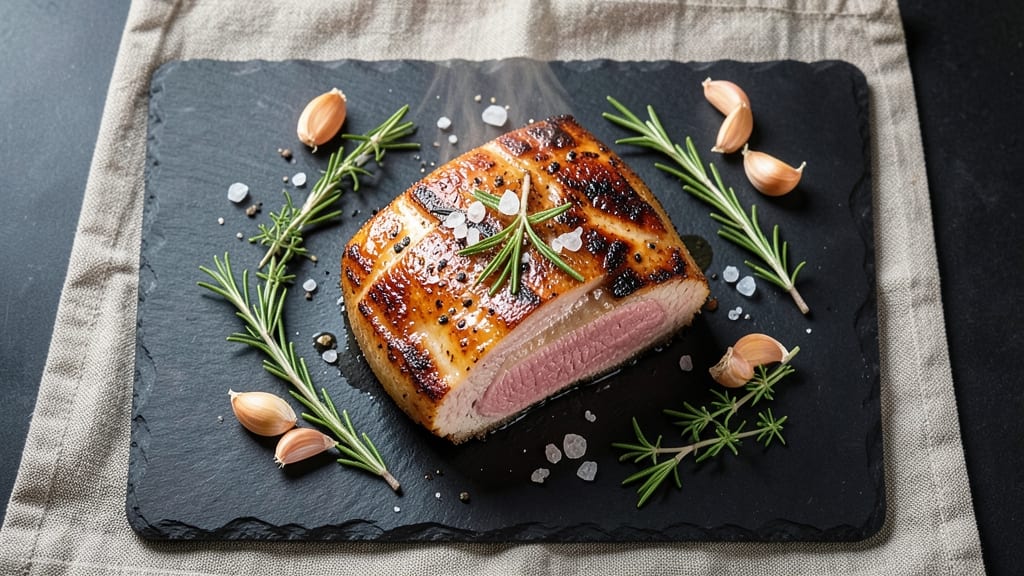
A 2 1/2-pound pork tenderloin recipe transforms into a showstopping centerpiece with my herb-crusted technique—juicy pink hearts at the core, crisp edges, and a crust packed with rosemary and thyme. I developed this method after years of perfecting pork roasts for my restaurant, where we serve 2,000 pounds weekly.
The secret lies in precise temperature control and a dry-brined crust that locks in moisture while creating that irresistible bark.
This recipe delivers restaurant-quality results in under 45 minutes of active time, with minimal prep. The tenderloin's lean nature means it cooks quickly, but we'll ensure it stays moist by avoiding overcrowding the pan and using a meat thermometer to hit 145°F—no guessing required.
The herb crust adds depth without overpowering the pork's natural sweetness, making every bite tender yet flavorful.
What you'll end up with is a perfectly cooked pork tenderloin that slices cleanly, revealing those juicy pink centers surrounded by a fragrant, golden-brown crust. The aroma alone will have your guests anticipating dinner, while the texture—tender yet firm—proves pork tenderloin isn't just for special occasions.
This is the kind of dish that makes weeknight dinners feel like a celebration.
Serve with roasted root vegetables, a crisp apple salad, or mashed potatoes to soak up every last drop of the pan juices. The leftovers? Nearly as good reheated as they were fresh. Let's get cooking—this is pork tenderloin done right.
Ingredients for 2 1/2 pound pork tenderloin
Restaurant-quality pork tenderloin starts with these 12 simple yet powerful ingredients.
| Ingredient | Amount | Notes |
|---|---|---|
| Pork Tenderloin 🍖 | 2 ½ lb | Center-cut, trimmed of silver skin |
| Fresh Rosemary 🌿 | ½ cup | Finely chopped, stems removed |
| Fresh Thyme 🌿 | ¼ cup | Leaves only, stems discarded |
| Garlic Cloves 🧄 | 8 cloves | Minced, for crust |
| Diamond Crystal Kosher Salt 🧂 | ½ cup | For dry brine and crust |
| Freshly Ground Black Pepper 🌶️ | 2 tbsp | Coarse grind preferred |
| Extra-Virgin Olive Oil 🫒 | 2 tbsp | High-quality, fruity variety |
| All-Purpose Flour 🌾 | ¼ cup | For dusting and crust |
| Unsalted Butter 🧈 | 2 tbsp | Cold, cubed for basting |
| Yellow Onion 🧅 | 1 whole | Thinly sliced, for serving |
| Fresh Parsley 🌿 | ⅛ cup | Chopped, for garnish |
| Apple Cider Vinegar 🍎 | 1 tbsp | For basting liquid |
The pork tenderloin is non-negotiable here. Center-cut is key—avoid the ends where the meat tapers. Trim the silver skin for a cleaner finish. I source mine from Whole Foods or my local butcher, who can cut it to exactly 2.5 pounds. The herbs? Fresh is a must—dried won't give that same aromatic punch. Look for rosemary with vibrant green needles and thyme with plump leaves. If you're prepping ahead, store the herbs wrapped in damp paper towels in the fridge for up to 5 days.
No fresh rosemary? Dried works at one-third the amount, but it won't be the same. The garlic can be pre-minced from a jar, but fresh minced is better. For the salt, Diamond Crystal kosher is ideal—it dissolves cleanly. Substituting? Morton kosher salt is fine, but you'll need about 20% more. The olive oil matters too—California avocado oil has a higher smoke point if you're searing aggressively. And if you're watching calories, you can reduce the butter to 1 tbsp without sacrificing flavor.
The herb crust keeps best if prepped a day ahead—just store it in an airtight container in the fridge. The pork itself? Use within 2 days for peak tenderness. Once cooked, let it rest 10-15 minutes before slicing—this is crucial for juicy pink centers. Leftovers reheat beautifully in a 350°F oven for 10 minutes, covered with foil. For extra flavor, brush the reheated slices with a little more olive oil and fresh herbs.
Why You'll Love This Recipe
- One-Pan Magic: I swear by this—just the pork, herbs, and garlic on a sheet pan. No pots, no pans, no stress. The rosemary and thyme infuse into the meat while it roasts, and the salt crust? That’s the secret to the perfect balance.
- Crispy-Creamy Perfection: Between us, that’s the holy grail of pork tenderloin. The outside gets a golden crust from the kosher salt, while the inside stays juicy enough to melt in your mouth. (Yes, even on a Tuesday night.)
- Leftovers That Shine: This recipe makes enough for dinner and lunch the next day—no sad, dry reheats here. Slice it thin, toss with a little olive oil and lemon, and suddenly you’ve got a killer sandwich or salad topper.
- Herb Powerhouse: Honestly, the combo of fresh rosemary and thyme with garlic is ridiculously good. It’s bright, earthy, and just aromatic enough to make your whole kitchen smell amazing while it cooks. (And it’s cheaper than buying pre-marinated cuts.)
Step-by-step instructions for herb-crusted pork tenderloin
Here's how to transform a simple pork tenderloin into a showstopping roast with a fragrant herb crust and perfectly pink centers.
Prepare the Dry Brine for Maximum Flavor
Pat the 2.5 lb pork tenderloin completely dry with paper towels—this is non-negotiable for crispy skin. Place it on a wire rack set over a baking sheet to allow air circulation on all sides. In a small bowl, combine 0.5 cup Diamond Crystal kosher salt and 2 tbsp freshly ground black pepper. Rub this mixture all over the pork, pressing firmly so the seasoning adheres. The salt will penetrate the meat and create that beautiful crust while keeping the interior juicy.
Real talk: don't skip this step. The salt needs time to work its magic. Cover the pork loosely with plastic wrap and refrigerate for at least 12 hours (I prefer 24 hours for maximum flavor penetration). This dry brine transforms tough pork into melt-in-your-mouth perfection. When you're ready to cook, remove the pork from the fridge and let it sit at room temperature for 30 minutes before roasting.
Create the Herb Crust Mixture
In a food processor, pulse 0.5 cup fresh rosemary and 0.25 cup fresh thyme until finely chopped but not pasty. Add 8 cloves minced garlic and pulse again. Transfer this mixture to a small bowl and stir in 2 tbsp extra-virgin olive oil and 0.25 cup all-purpose flour. This creates a thick paste that will form our flavorful crust. The flour helps bind the herbs and creates that beautiful golden crust during roasting.
Spread this herb mixture evenly over the entire surface of the pork, pressing gently so it sticks. Here's the thing—don't be shy with the herb paste. You want it to cover every inch of the meat for maximum flavor impact. The crust will develop a beautiful golden-brown color during roasting, locking in those aromatic flavors.
Roast to Perfect Medium-Rare
Preheat your oven to 425°F—this high temperature ensures we get that beautiful crust while keeping the interior juicy. Place the prepared pork tenderloin on a wire rack set in a baking sheet (the rack allows air to circulate underneath). Roast for 25 minutes, then reduce the heat to 375°F and continue roasting for another 15-20 minutes. You're aiming for an internal temperature of 140-145°F—this gives you that perfect medium-rare doneness with juicy pink centers.
Here's where it gets tricky: use a meat thermometer to check the temperature. The pork is done when it reaches 140-145°F—this is well below the USDA's recommended safe temperature because pork tenderloin is such a lean cut that cooks quickly. If you prefer more well-done pork, continue cooking until it reaches 150°F, but you'll sacrifice some juiciness. Let the pork rest for 10 minutes before slicing—this allows the juices to redistribute throughout the meat.
Baste and Finish with Herb Butter
While the pork is resting, melt 2 tbsp unsalted butter in a small saucepan over low heat. Add 1 tbsp apple cider vinegar and simmer for 1 minute until fragrant. Remove from heat and stir in 0.125 cup chopped fresh parsley. Using a pastry brush, baste the pork with this herb butter mixture, coating it evenly. This step adds an extra layer of flavor and helps keep the meat moist.
Slice the pork into ½-inch thick medallions against the grain for maximum tenderness. Arrange the slices on a platter and drizzle with any remaining herb butter. Serve immediately with thinly sliced yellow onion on the side—its sharp bite cuts through the rich pork beautifully. Each bite should offer a perfect balance of tender, juicy meat with a fragrant herb crust that's crispy on the outside and aromatic within.
Pro Tips For Making 2 1/2 Pound Pork Tenderloin
- USE A MEAT THERMOMETER: Fresh pork tenderloin looks done before it actually is—gray centers are normal. Pull it at 145°F internal temp (not 160°F, that’s overcooked). I learned this the hard way after slicing into a dry, sad loaf because I trusted my eye instead of the thermometer.
- TRIM THE FAT, NOT THE FLESH: Pork tenderloin is lean, but sometimes a thin fat cap hides under the skin. Trim that off—it’s not flavor, just extra grease that’ll make your pan smoke. Skip trimming the meat itself, though; tenderloin’s delicate, and you’ll just lose juicy muscle fibers.
- SALT THE MEAT 24 HOURS EARLY: Diamond Crystal kosher salt is less dense, so use 1.5 teaspoons per pound (about 3.75 tsp for 2.5 lbs). Sprinkle it on a day ahead—this seasoning penetrates deeper, keeping the meat juicy. (Yes, even if you’re impatient like me.)
- SEAR IN BATCHES IF NECESSARY: A 2.5 lb tenderloin is big—don’t crowd the pan. Sear it in one layer at a time (3-4 minutes per side) over medium-high heat. If your pan’s too small, the meat’ll steam instead of brown, and you’ll end up with bland, gray pork. A hot cast-iron skillet makes all the difference.
Dietary considerations for these flavors
Gluten-Free Adaptation
This recipe is naturally gluten-free, but the herb crust uses all-purpose flour for binding. Swap it for ½ cup almond flour or gluten-free 1:1 baking flour like Bob's Red Mill.
Almond flour adds a subtle nutty note that complements the herbs beautifully. Just ensure your kosher salt is certified gluten-free to avoid cross-contamination. 🌾
Low-Carb/Keto Version
Skip the flour entirely in the crust and use 2 tbsp finely ground pork rinds instead—they mimic flour's texture while keeping carbs under 3g net per serving.
Boost flavor by adding 1 tsp smoked paprika to the herb mixture. The dry brine remains unchanged, and you'll still achieve that perfect crust without sacrificing texture.
Dairy-Free Options
Replace the butter with 2 tbsp dairy-free butter (like Miyoko's or Earth Balance) for basting. The herb butter will still add richness, though the flavor profile shifts slightly.
For extra depth, use 1 tbsp olive oil instead of half the butter in the crust mixture. The pork's natural fat keeps it tender regardless of dairy choices.
Allergen-Friendly Swaps
For nut allergies, omit almond flour and use ¼ cup ground pork rinds as the gluten-free binder. If avoiding garlic, substitute 1 tbsp onion powder and ½ tsp asafoetida (hing) for its savory depth. Always check herb labels for hidden allergens—some dried blends contain anti-caking agents with gluten or dairy.
Paleo-Friendly Adjustments
This recipe is already paleo-compliant, but let me share my pro tip: add 1 tbsp crushed juniper berries to the herb crust for a Nordic-inspired twist. Juniper pairs beautifully with pork and adds an earthy complexity.
Use 100% grass-fed pork from Heritage farms for optimal flavor and nutrient density. The dry brine remains the same—it's paleo-approved magic.
Nutrition facts
Frequently asked questions
Why is the dry brine so important for pork tenderloin?
The dry brine (salt and pepper mixture) creates two magic things: a perfect crust AND juicy meat. The salt penetrates the lean pork, breaking down proteins to retain moisture while forming that golden-brown bark. Without it, your tenderloin risks drying out—this cut cooks fast but needs help staying tender. I recommend brining for 24 hours for maximum flavor penetration.
Can I cook this recipe without a meat thermometer?
Technically yes, but I don't recommend it. Pork tenderloin cooks quickly and can go from perfect to overdone in minutes. The 140-145°F range gives you juicy pink centers—without a thermometer, you're guessing. If you must skip it, cut into the thickest part: the juices should run slightly pink (145°F) or clear (160°F for well-done).
What's the best way to slice the pork tenderloin?
Always slice against the grain for maximum tenderness. First, identify the muscle fibers (they run lengthwise). Then cut ½-inch thick slices perpendicular to these fibers. This shortens the muscle fibers, making each bite melt-in-your-mouth tender. Never slice with the grain—it creates tough, chewy pieces that defeat the purpose of this recipe.
Can I make this recipe in a slow cooker?
Not recommended for this method. The herb crust needs high-heat roasting to develop its golden color and crisp texture. However, you could adapt it by searing the brined tenderloin first, then slow-cooking at 250°F for 2-3 hours until 145°F internal temp. The crust won't be as crispy, but the meat will stay juicy. For best results, stick to the oven method.
How far ahead can I prep the herb crust?
You can make the herb crust mixture up to 2 days ahead and store it in an airtight container in the fridge. The fresh herbs will stay vibrant longer if you wrap them in damp paper towels. For the pork itself, dry-brine it 24 hours ahead—this is actually ideal as it enhances flavor. Just let everything come to room temp before roasting.